
Restoration & Stories
Limoges Hôtel de Ville: The Story of a City’s Palace
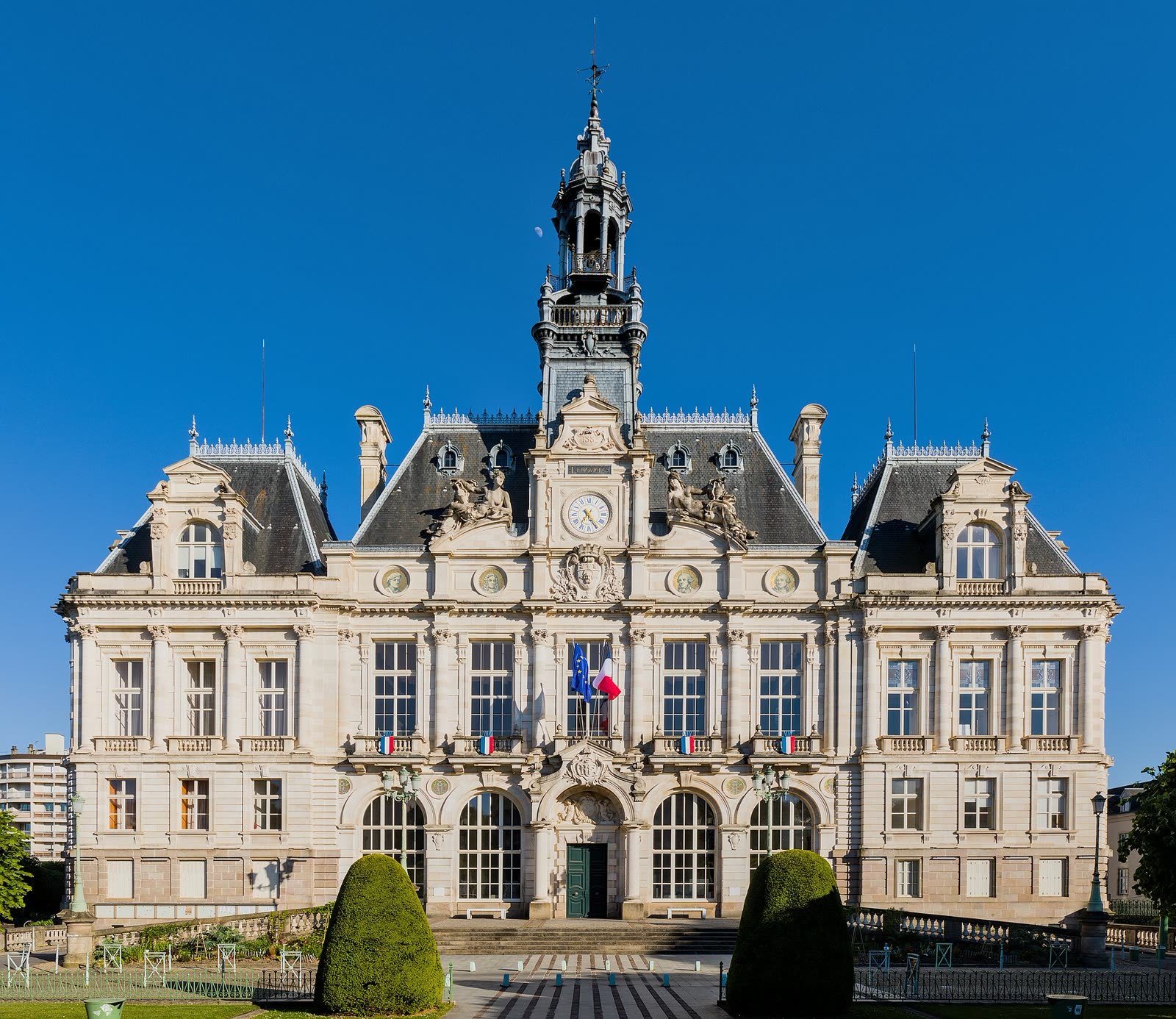
Some buildings are built by kings. The Hôtel de Ville of Limoges was built by a gift. For a hundred and forty-three years it stood over the heart of the porcelain city, a Renaissance-style palace in pale stone with a clock tower you could see from across the rooftops. On the night of 17 October 2026 it burned. This is her story.
Key Takeaways
- Paid for by a private gift: Alfred Fournier left his whole estate to the city when he died in 1875.
- Designed by architect Charles-Alfred Leclerc in the Renaissance style, built 1879–1883.
- Opened on 14 July 1883, with a central clock tower 43 metres high.
- Decorated in honour of the city’s own crafts: enamel, goldsmithing and porcelain.
- Listed as a monument historique in 1975.
- Badly damaged by fire on 17 October 2026, during a night of nationwide protests.
Before the Palace
Limoges has been governing itself for a very long time. In the Middle Ages the town’s consuls met in a hall on the Rue Fontgrouleu, the street now called the Rue du Consulat, dating back to 1487. After the Revolution the council moved into a former convent on the Place Saint-Gérald, finished in 1811. By the 1870s that old building was tired, and the city had no money to replace it.
A Gift That Built a Town Hall
Then, in July 1875, a man named Alfred Fournier died and left everything he owned to the city of Limoges. The council made a bold decision with it: pull down the old town hall and build something worthy of a proud regional capital, right on the same spot. By happy coincidence, the site sits over the old Roman forum, so the city’s civic heart has barely moved in two thousand years.
Leclerc’s Renaissance Dream
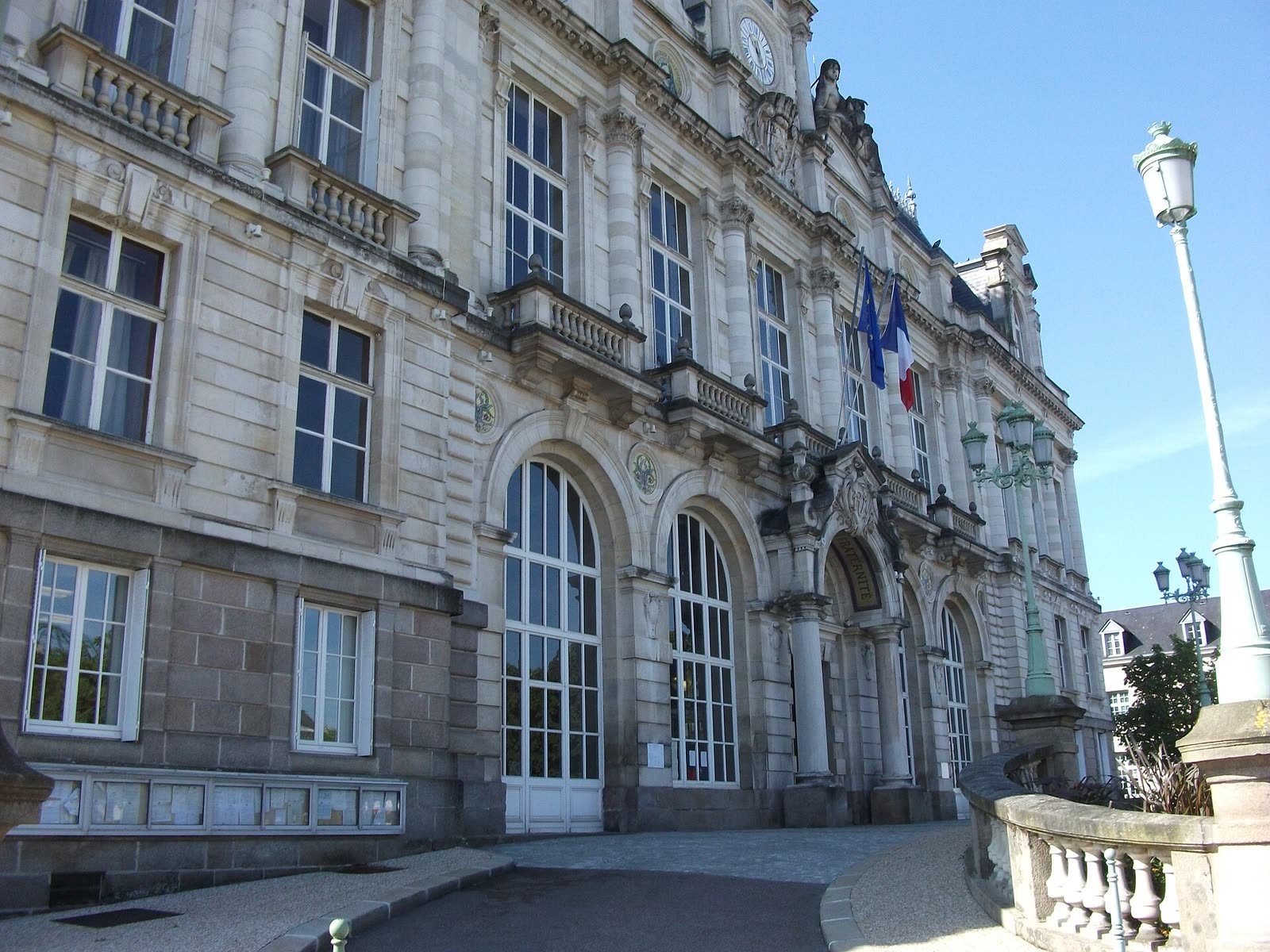
The commission went to architect Charles-Alfred Leclerc, who looked to the Hôtel de Ville in Paris for inspiration. The foundation stone was laid in July 1879, and the building rose in dressed stone on a granite base: tall slate roofs, sculpted dormers, balustraded balconies and a blend of late Renaissance and Louis XIII style that would look perfectly at home beside a Loire château.
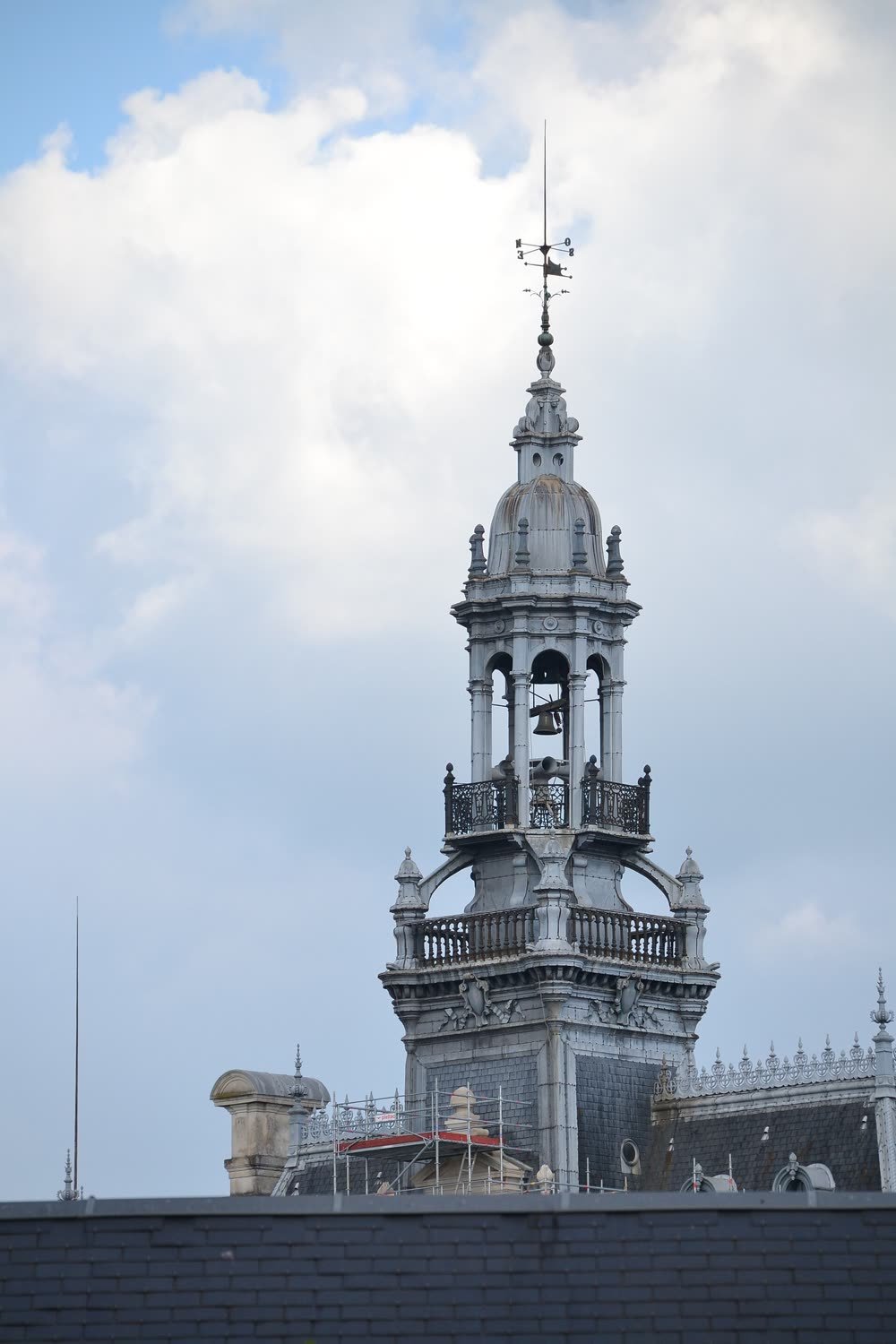
At its centre stood the clock tower, its ornate belfry climbing 43 metres above the square. The palace opened on 14 July 1883, Bastille Day, which feels exactly right for a house of the people.
A Facade That Told the City’s Story
Look closely at the old photographs and you’ll see that the building was a portrait of Limoges itself.
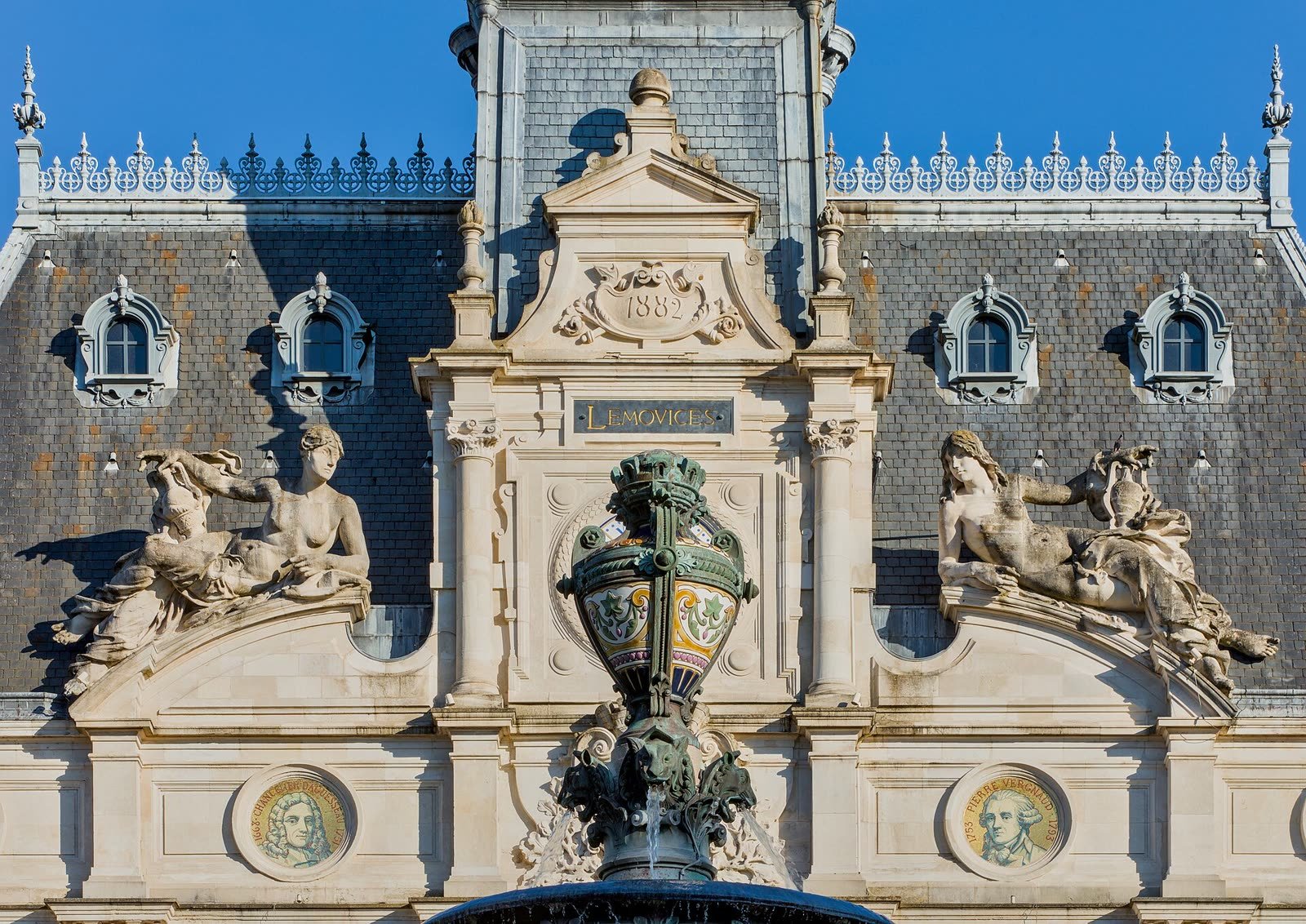
- The medallions. Along the roof parapet, mosaic medallions by Giandomenico Facchina honoured four of the city’s own: the Renaissance enameller Léonard Limosin, Chancellor d’Aguesseau, the revolutionary orator Vergniaud and Marshal Jourdan.
- The pediment statues. Sculptor Tony Noël carved reclining figures representing enamelling and goldsmithing, the luxury crafts that made Limoges famous long before its porcelain.
The Porcelain Fountain
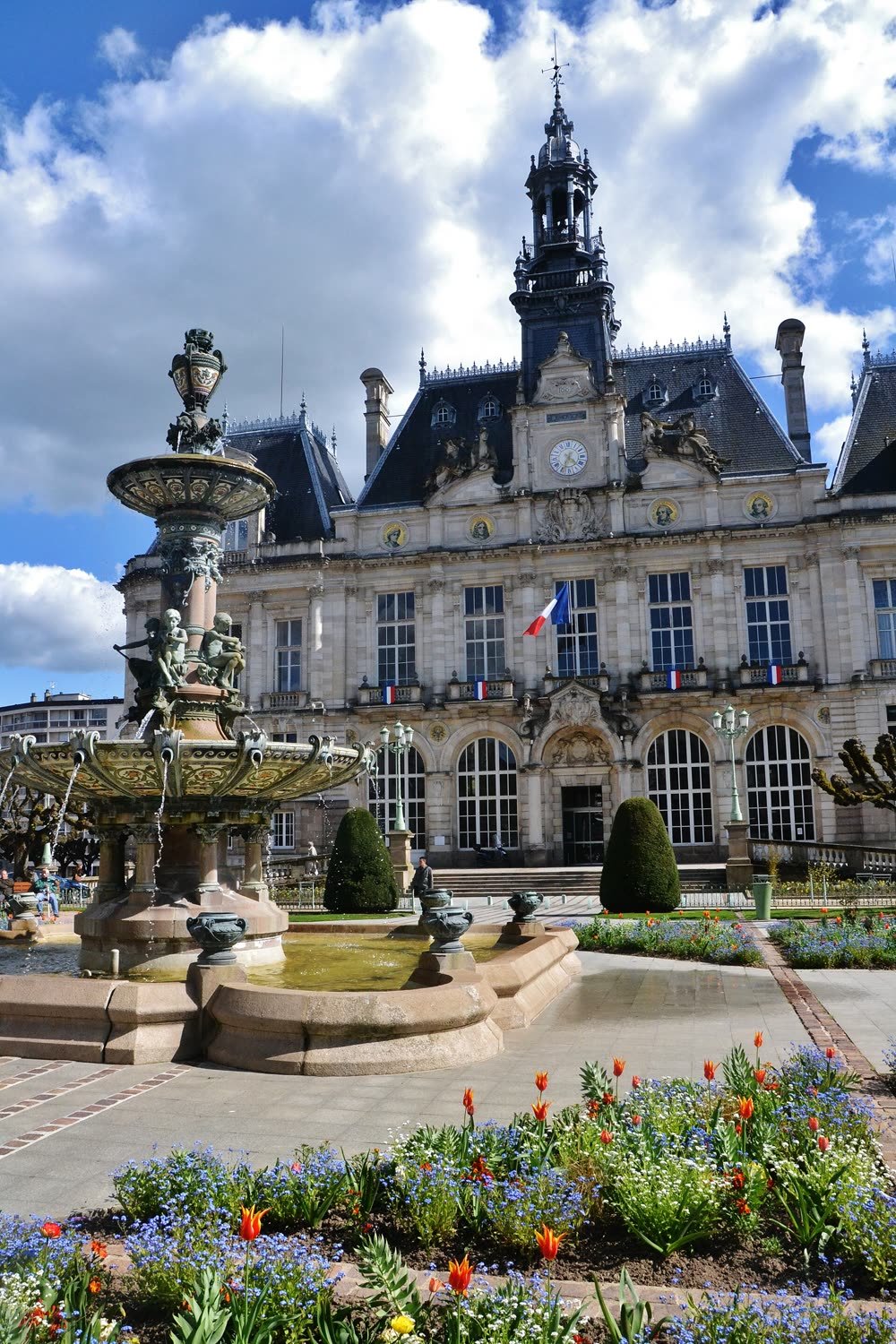
In 1893, ten years after the opening, a fountain by Charles Genuys was installed in the gardens out front. Built of stone and bronze and set with porcelain plaques, it became one of the most photographed corners of the city, the town hall rising behind it like a stage set.
Witness to History
The new town hall had barely settled when it found itself in the middle of history. Earlier, on 4 April 1871, inspired by the Paris Commune, insurgent guardsmen had stormed the old town hall and the prefecture, and an army colonel was fatally wounded before the army took back control. The memory of that uprising was still fresh when Leclerc’s palace went up on the same ground.
In May 1940, as Belgium fell, Mayor Léon Betoulle welcomed Belgian Prime Minister Hubert Pierlot and members of his government in exile to Limoges. For a short, anxious time, the town hall was a place of refuge for a whole nation’s leadership.
Protected Heritage
In 1975 the French state listed the Hôtel de Ville and its fountain as a monument historique. Its square, long known as the Place Léon Betoulle, took the address Place Jacques Chirac in 2022. Weddings, festivals and Christmas lights made it the city’s living room.
The Night of 17 October 2026
On Saturday 17 October 2026, hundreds of thousands of people marched across France over fuel prices, wages and the state of the schools. Most marched peacefully. In Limoges, the Hôtel de Ville was set alight. Flames tore through the roof and wrapped around the clock tower, and much of the roof came down.
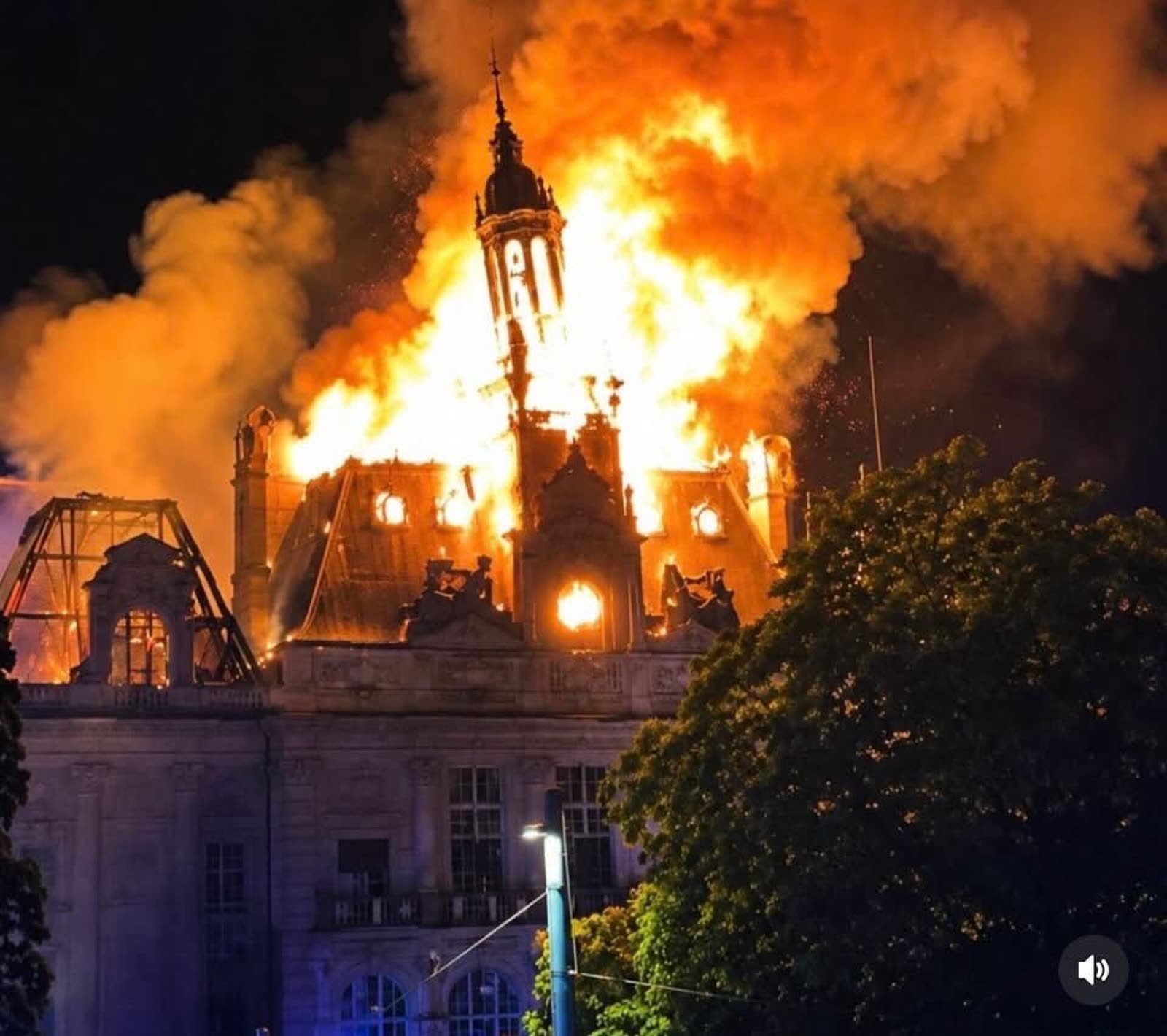
Mayor Guillaume Guérin has said he will resign if the city does not get the money it needs to repair the building. As with Notre-Dame de Paris in 2019, the question now is not only what was lost, but who will pay to bring her back.
Before and After: A Visit to Limoges
Brian, of the YouTube channel Brian’s Life in France, visited the Hôtel de Ville a few months before the fire. In this video he talks about what happened, and shows the building as it stood when he was there. The video starts at his Limoges segment.
Can’t see the video? Watch it on YouTube.
What Comes Next
France knows how to rebuild. Its châteaux and cathedrals are full of roofs that burned and rose again, often with the same craft trades the Limoges facade once celebrated. The stone walls still stand. The medallions, the statues and the fountain are records of exactly what made this building special. We’ll be following the restoration here on Château Dreaming.
FAQ
When was the Limoges Hôtel de Ville built?
Construction began in July 1879 and the building opened on 14 July 1883.
Who designed it?
The architect was Charles-Alfred Leclerc, inspired by the Hôtel de Ville in Paris.
Who paid for it?
Alfred Fournier, who left his entire estate to the city of Limoges when he died in 1875.
How tall is the clock tower?
The central clock tower and belfry rise 43 metres.
Is it a protected monument?
Yes. The Hôtel de Ville and its fountain were listed as a monument historique in 1975.
What happened in October 2026?
On 17 October 2026, during nationwide protests, the building was set on fire and much of its roof collapsed. The mayor has called for repair funding.
Image credits
Facade and pediment: Benjamin Smith, Wikimedia Commons (1, 2), CC BY-SA 4.0. Belfry: Lucas Destrem, Wikimedia Commons, CC BY-SA 4.0. Fountain: Babsy, Wikimedia Commons, CC BY-SA 3.0. Wing: Rslr22, Wikimedia Commons, CC BY-SA 4.0. Fire: Wydiwye, Wikimedia Commons, CC0. Images resized.