Fact-checked

The Château Index

Verified profiles of the great châteaux — the history, the architecture, the heritage listings and the one thing each is remembered for. Every entry checked against the historical record; no legends repeated as fact.

Or see them all on the map →  Suggest a château →

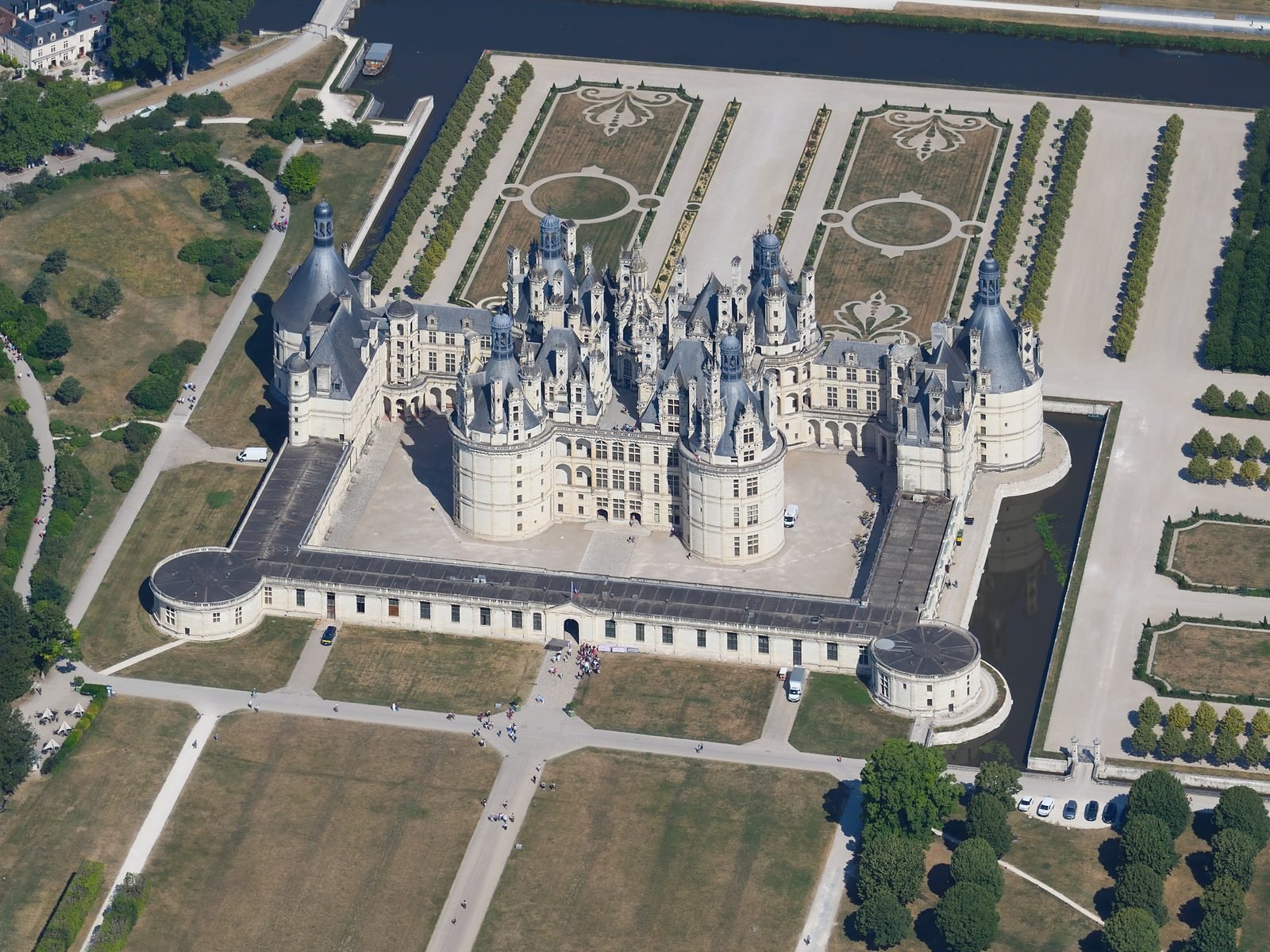
Château de Chambord
Centre-Val de Loire · Loir-et-Cher

Château de Chambord

1519–1547 · French Renaissance

The largest château of the Loire Valley, begun in 1519 as a hunting lodge for Francis I and never fully completed in his lifetime. Its double-helix staircase — two spirals that never meet — is popularly associated with the ideas of Leonardo da Vinci, who died at nearby Amboise the year construction began.

Full profile →
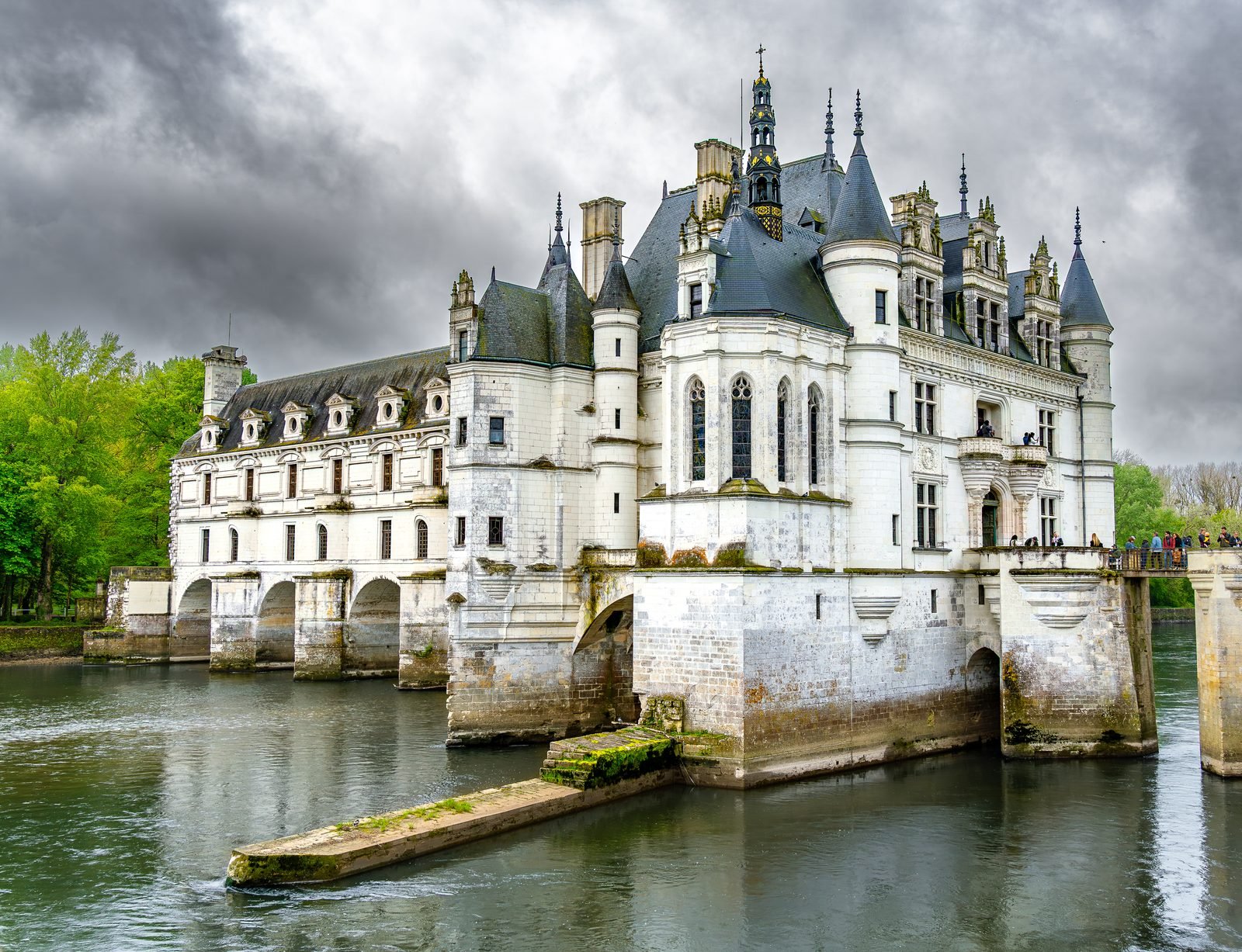
Château de Chenonceau
Centre-Val de Loire · Indre-et-Loire

Château de Chenonceau

1514–1522 (gallery completed c. 1576) · Late Gothic / French Renaissance

The "Château des Dames", famous for spanning the River Cher on the arches of its two-storey gallery. Its history was shaped by a succession of remarkable women — Katherine Briçonnet, Diane de Poitiers, Catherine de' Medici and Louise Dupin — and it remains one of the most visited châteaux in France.

Full profile →
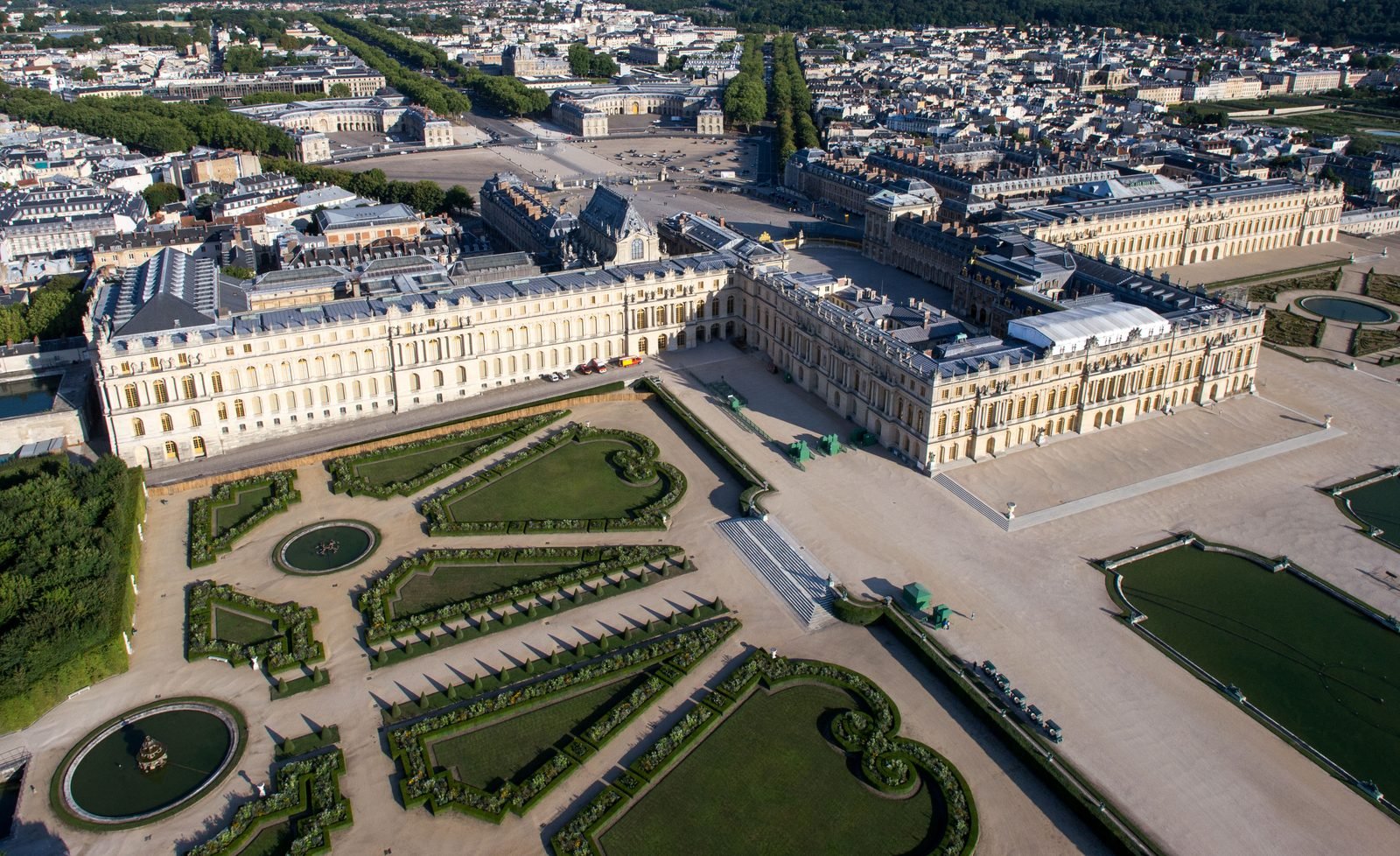
Château de Versailles
Île-de-France · Yvelines

Château de Versailles

1623 (lodge); transformed from 1661 · French Baroque / Classicism

Louis XIII's brick-and-stone hunting lodge, transformed from 1661 by Louis XIV into the seat of the French court and the most imitated palace in Europe. Architects Louis Le Vau and Jules Hardouin-Mansart, painter Charles Le Brun and gardener André Le Nôtre created the template of absolute-monarchy grandeur.

Full profile →
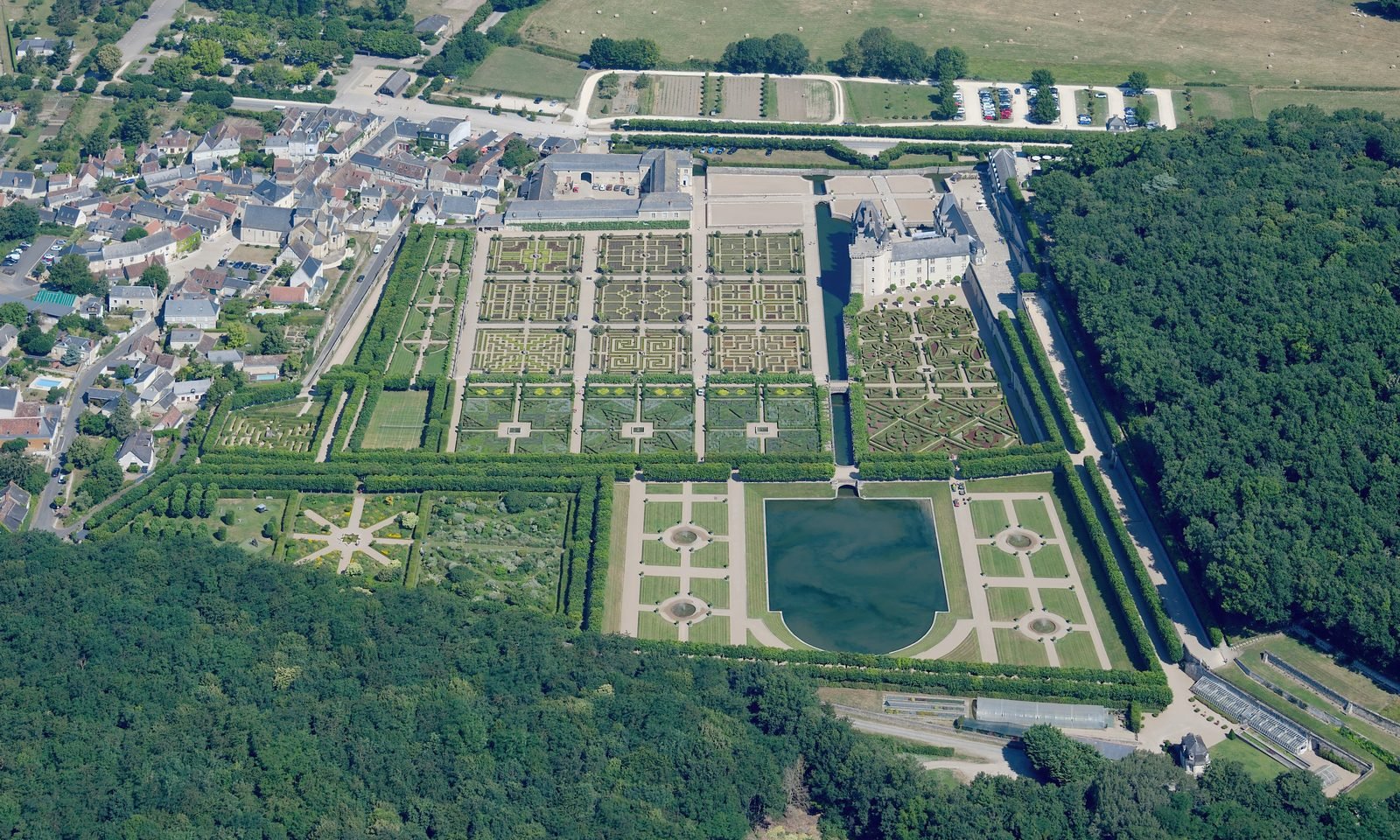
Château de Villandry
Centre-Val de Loire · Indre-et-Loire

Château de Villandry

Completed c. 1536 · French Renaissance

The last of the great Renaissance châteaux built on the banks of the Loire, celebrated above all for its gardens: six terraced levels of ornamental parterres, water garden and the famous Renaissance potager, recreated from 1906 by Joachim Carvallo, whose descendants still own the estate.

Full profile →
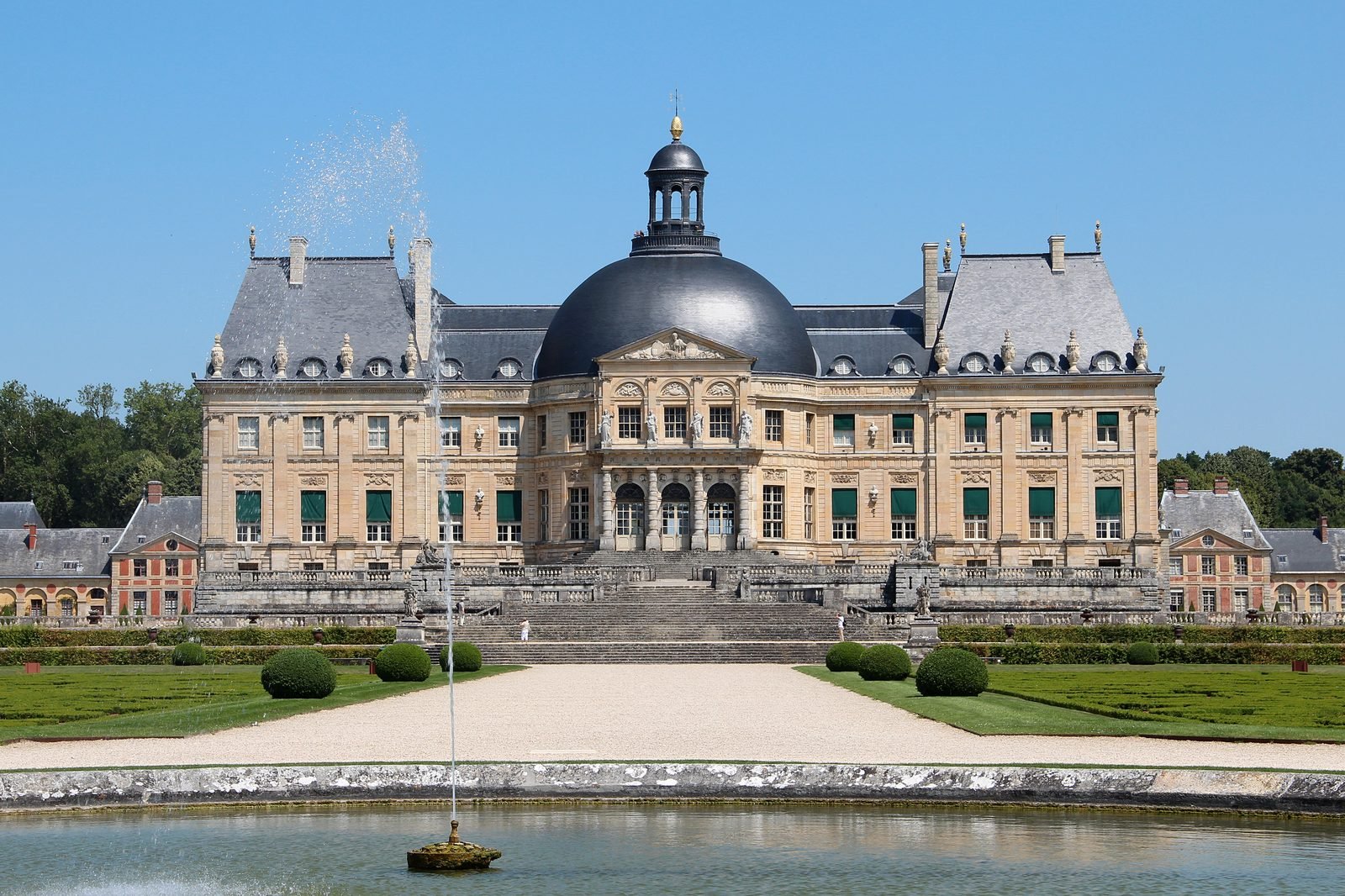
Château de Vaux-le-Vicomte
Île-de-France · Seine-et-Marne

Château de Vaux-le-Vicomte

1658–1661 · French Baroque

Built at speed for Louis XIV's superintendent of finances, Nicolas Fouquet, by the dream team of Le Vau, Le Brun and Le Nôtre — the first time the three worked together. The famously extravagant fête of 17 August 1661 helped precipitate Fouquet's arrest, and the same trio was promptly set to work on Versailles.

Full profile →
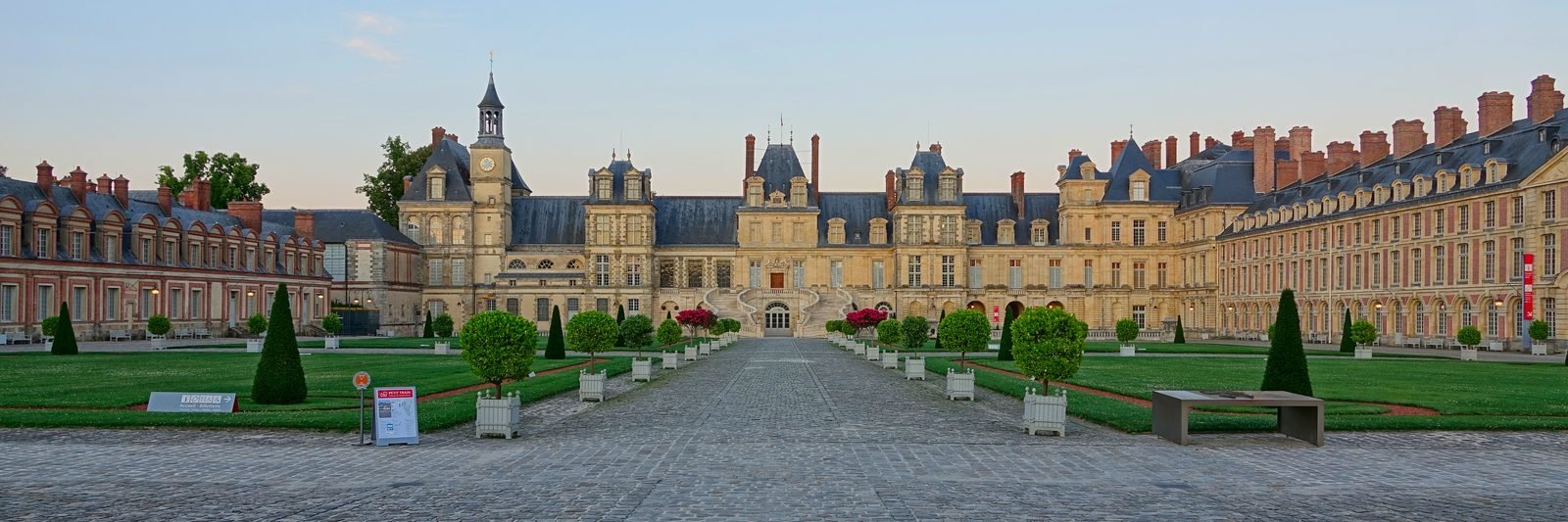
Château de Fontainebleau
Île-de-France · Seine-et-Marne

Château de Fontainebleau

12th century origins; Renaissance rebuilding from 1528 · Medieval, Renaissance and Classical layers

The true "house of centuries": eight hundred years of continuous royal and imperial residence, from Louis VII to Napoleon III. Francis I turned the medieval castle into the showcase of the French Renaissance, importing Italian artists whose work created the School of Fontainebleau. Napoleon bid farewell to his Old Guard in its courtyard in 1814.

Full profile →
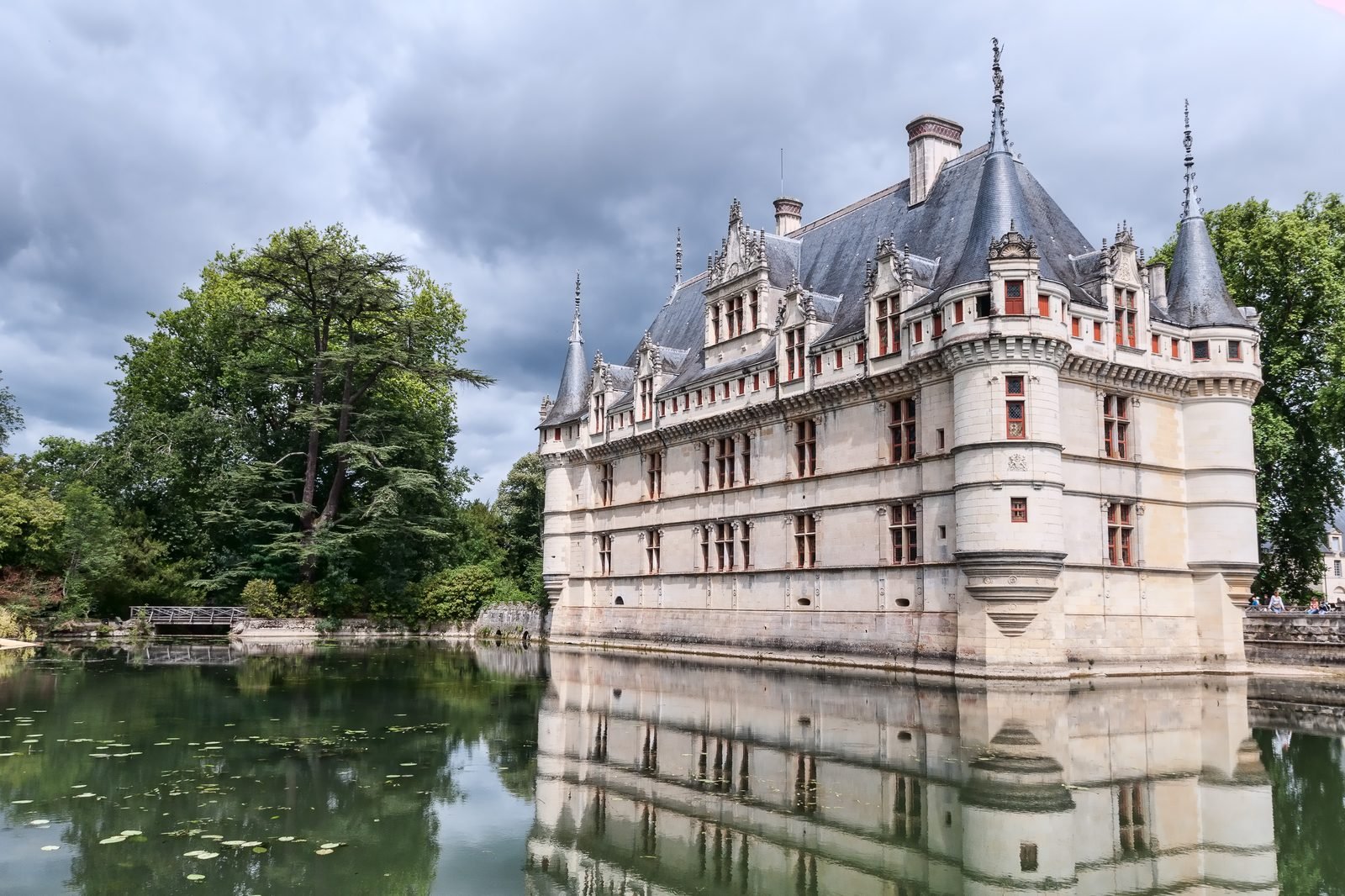
Château d'Azay-le-Rideau
Centre-Val de Loire · Indre-et-Loire

Château d'Azay-le-Rideau

1518–1527 · Early French Renaissance

Built on an island in the Indre, whose still water gives the château its celebrated mirror reflection. Balzac called it "a faceted diamond set in the Indre". Its financier builder fled before completion when caught in a royal purge; today it is state-owned and superbly restored.

Full profile →
Château Royal de Blois
Centre-Val de Loire · Loir-et-Cher

Château Royal de Blois

13th–17th centuries · Four wings, four eras: Gothic, Louis XII, Francis I Renaissance, Classical

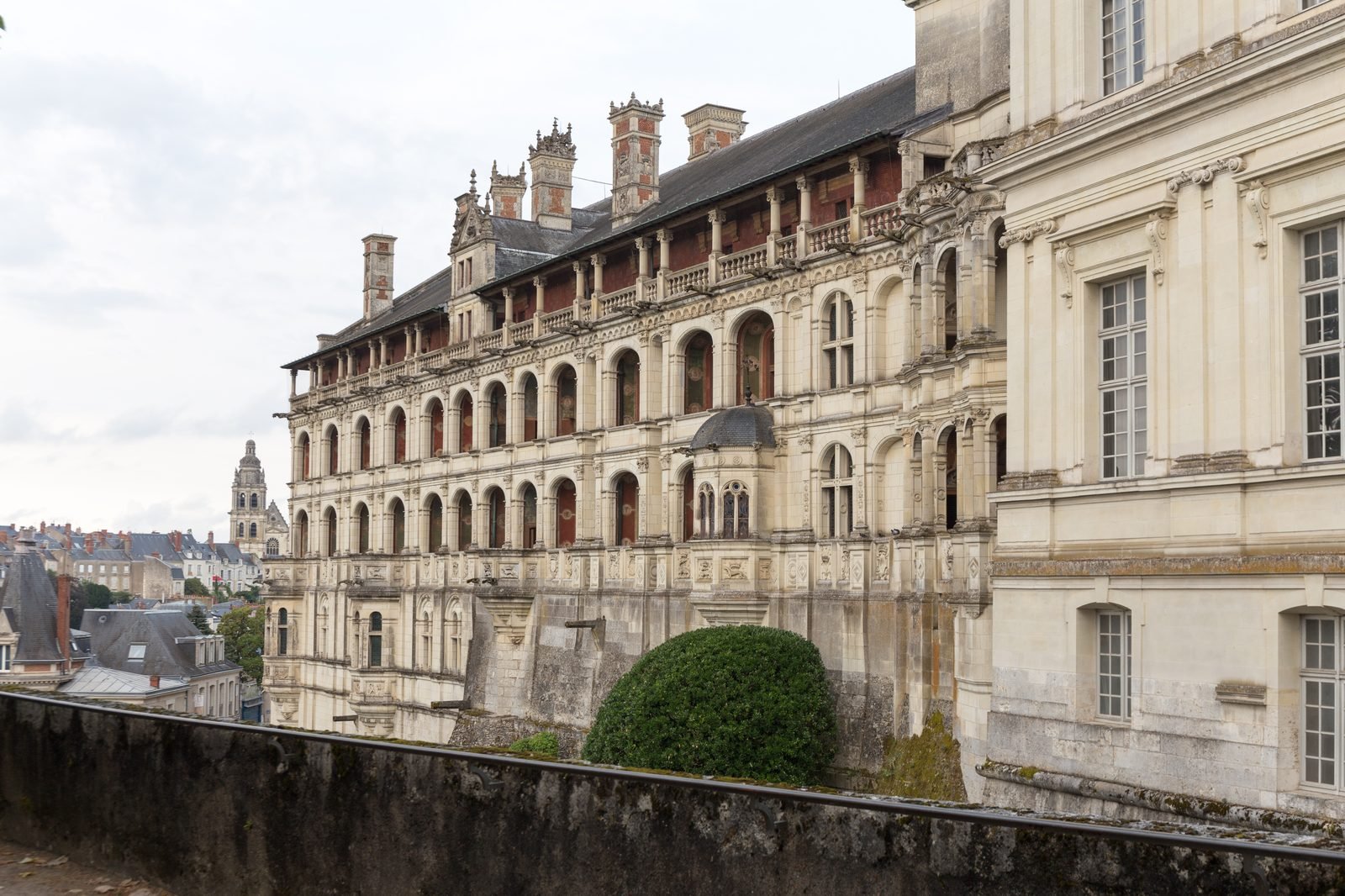
A living textbook of French architecture: four wings around one courtyard spanning Gothic, Flamboyant, Renaissance and Classical styles. Residence of seven kings and ten queens of France, and the scene of the assassination of the Duke of Guise on the orders of Henri III in December 1588.

Full profile →
Cité de Carcassonne & Château Comtal
Occitanie · Aude

Cité de Carcassonne & Château Comtal

Gallo-Roman origins; medieval fortifications 12th–13th c.; restored from 1853 · Medieval fortified city

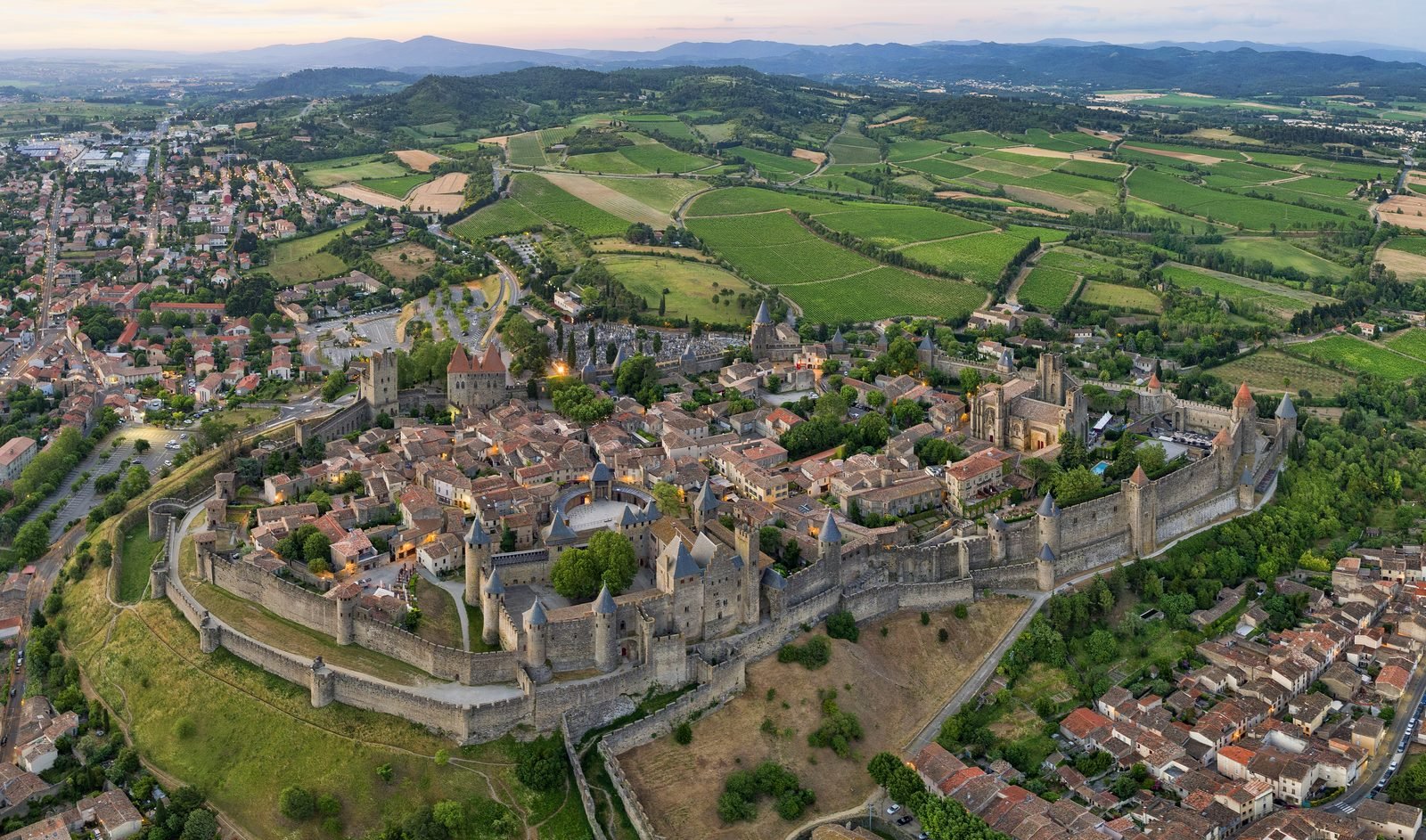
Europe's largest surviving fortified medieval city: a double ring of ramparts and dozens of towers crowning the Aude plain, with the Château Comtal at its heart. Saved from demolition in the 19th century and restored — controversially and unforgettably — by Eugène Viollet-le-Duc.

Full profile →
Château de Pierrefonds
Hauts-de-France · Oise

Château de Pierrefonds

1393–1407; rebuilt 1857–1885 · Medieval castle reimagined in 19th-century romantic Gothic

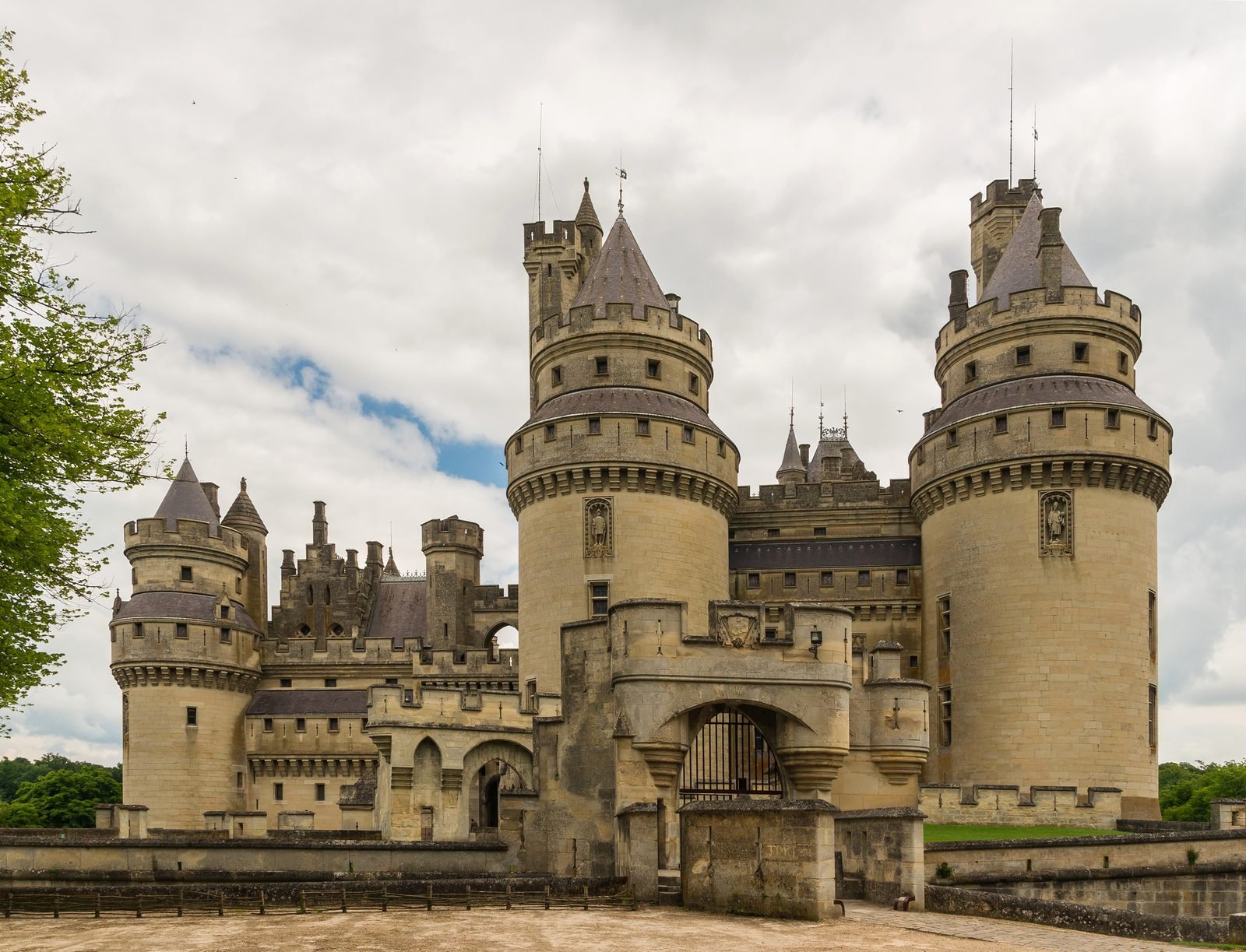
Louis d'Orléans' great fortress, slighted in 1617 and left a romantic ruin for two centuries, then spectacularly rebuilt by Viollet-le-Duc for Napoleon III — less a restoration than a dream of what a medieval castle ought to be. A favourite filming location, from Highlander to Merlin.

Full profile →
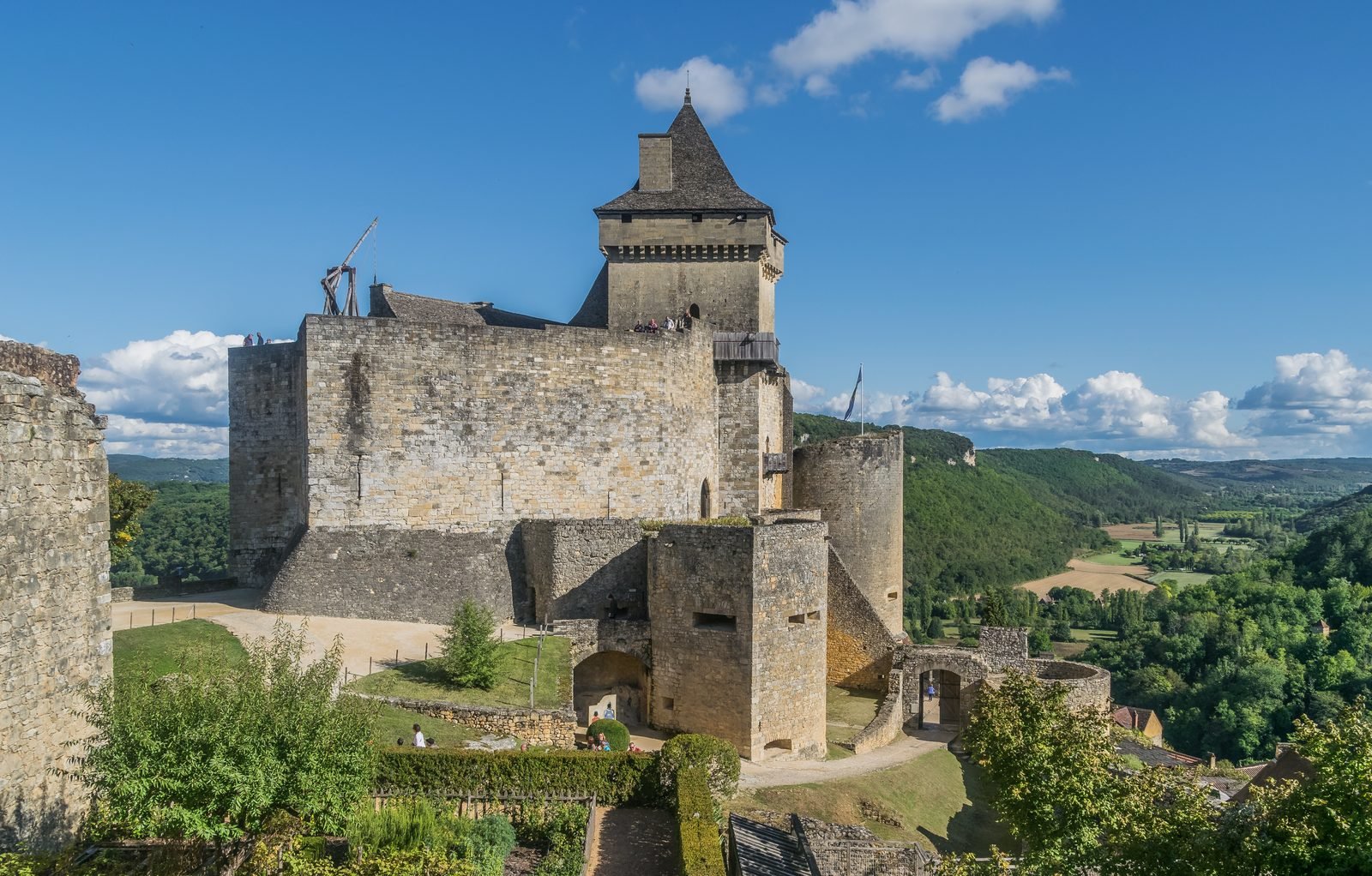
Château de Montsoreau
Pays de la Loire · Maine-et-Loire

Château de Montsoreau

c. 1450–1460 · Transitional Gothic–Renaissance

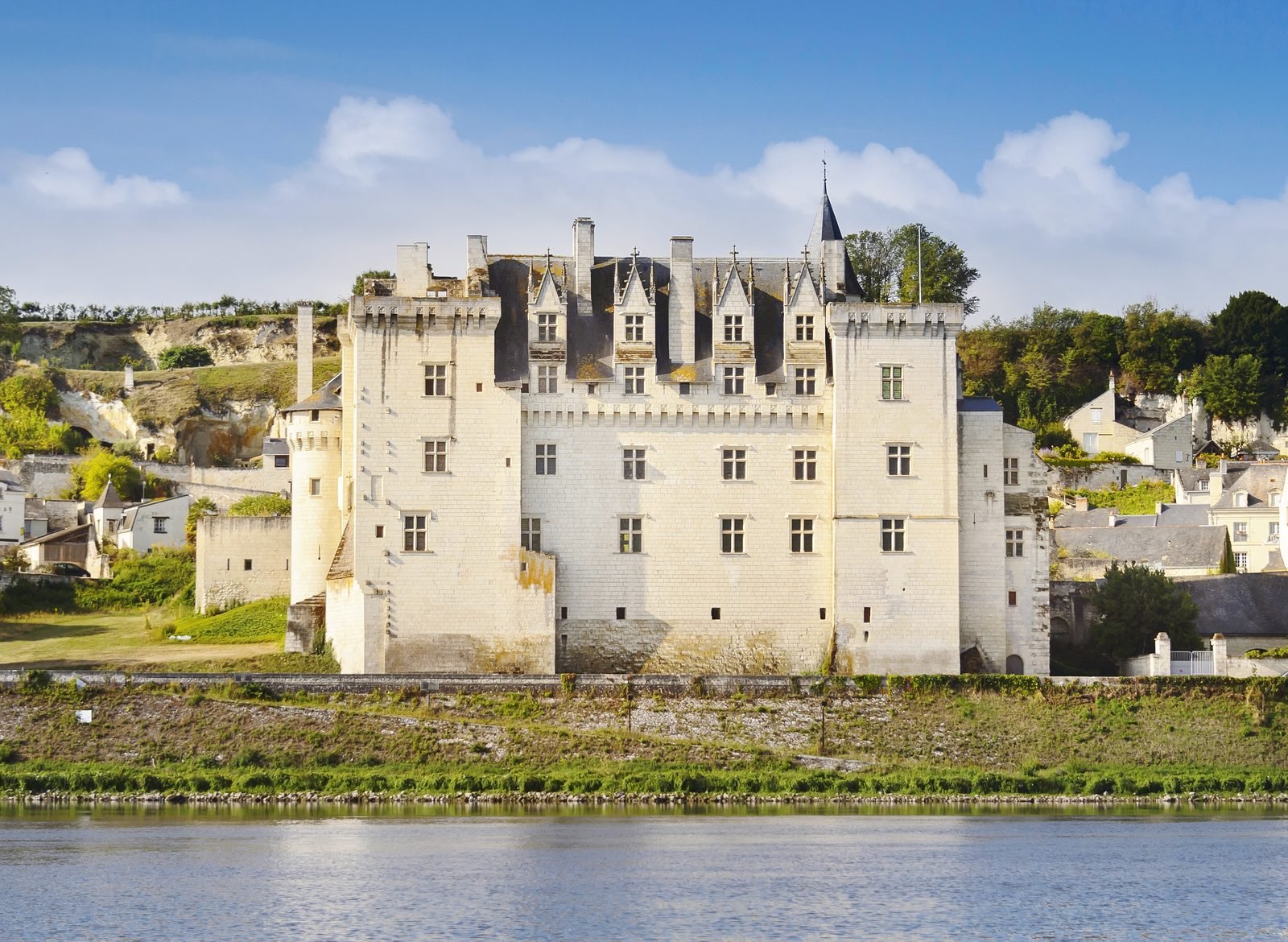
The only château of the Loire built directly in the riverbed, rising straight from the water at the confluence of the Loire and the Vienne. Immortalised by Alexandre Dumas in La Dame de Monsoreau, it houses a museum of contemporary art since 2016.

Full profile →
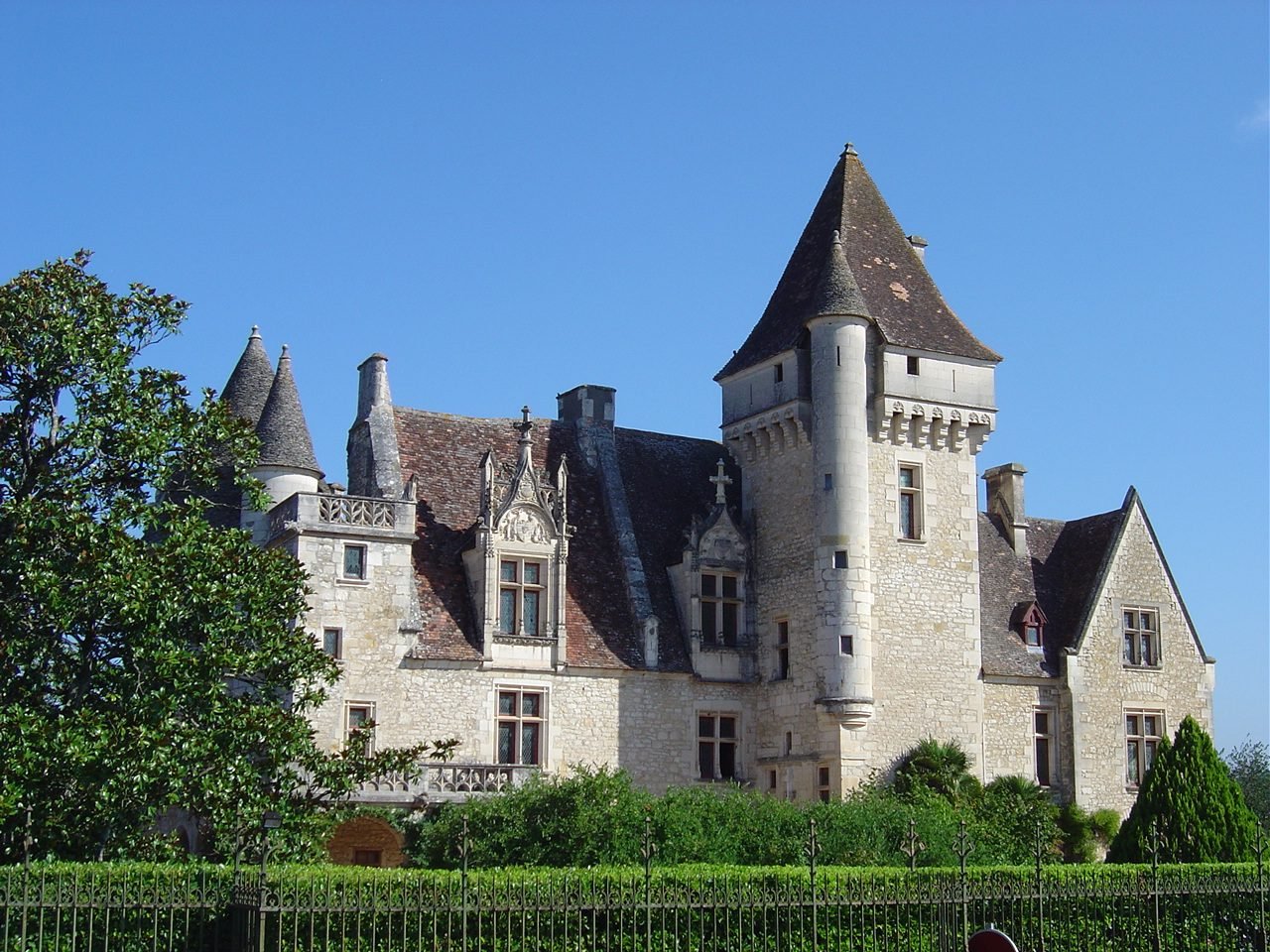
Château de Hautefort
Nouvelle-Aquitaine · Dordogne

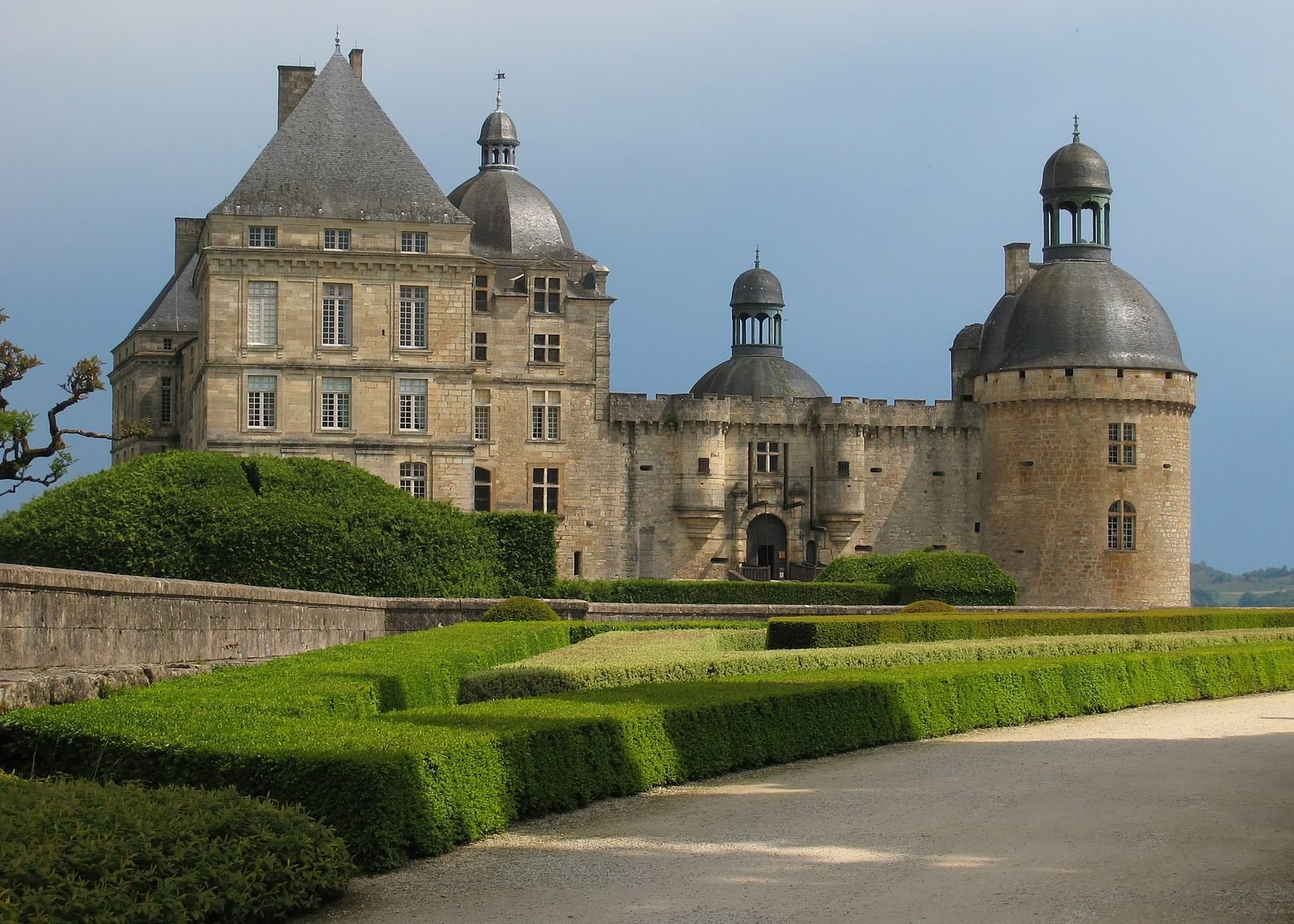
Château de Hautefort

Rebuilt 1630–1670 on medieval foundations · 17th-century classical (rare for Périgord)

A slice of Loire-style classical grandeur transplanted into the Périgord, rebuilt in the 17th century on the site of the fortress of the troubadour Bertran de Born. Gutted by fire in August 1968 and heroically restored by Simone David-Weill, Baroness de Bastard. Its formal gardens are a 19th-century design by the Count de Choulot — not, as often repeated, by André Le Nôtre.

Full profile →
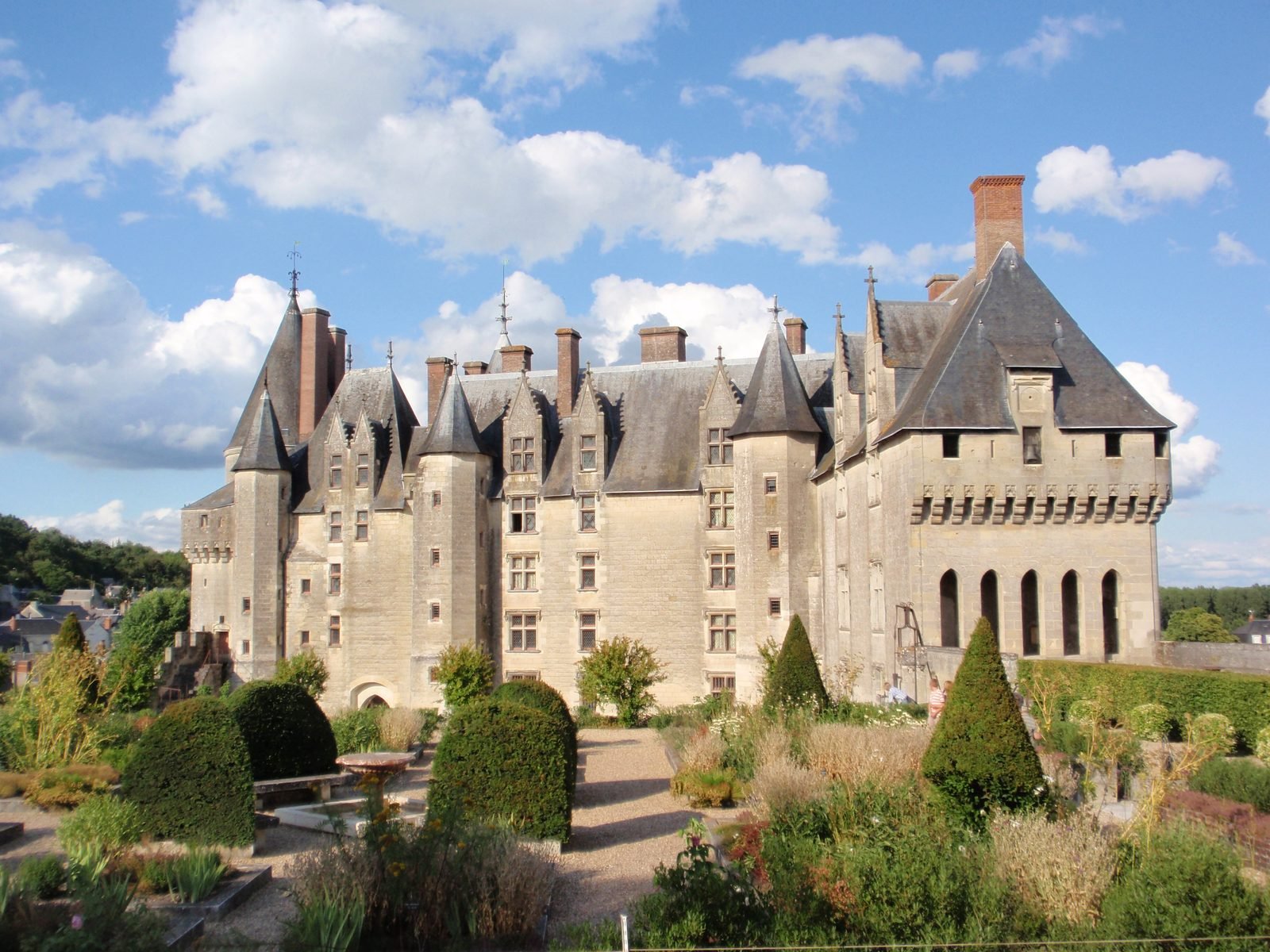
Château de Purnon
Nouvelle-Aquitaine · Vienne

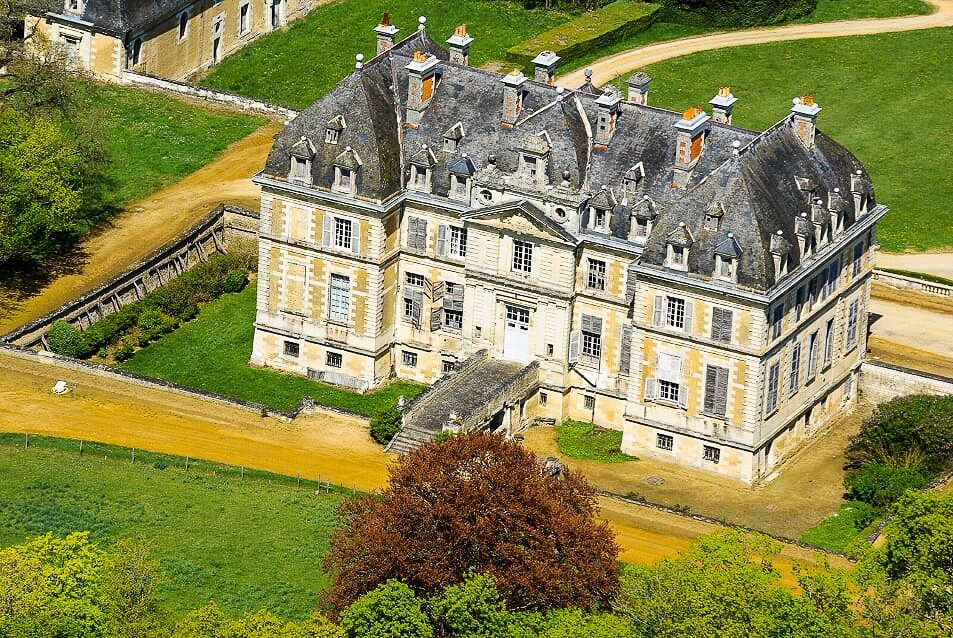
Château de Purnon

1779–1788 (estate works from 1772) · Louis XVI neoclassical

A remarkably intact Louis XVI château near the village of Verrue, gazing north over the forest of Scévolles, with tuffeau-stone outbuildings, a chapel, the Moulin Bigeard and a rare Éolienne Bollée wind pump. Purchased in 2020 by Australians Tim Holding and Felicity Selkirk, it is now the subject of one of France's largest private restorations.

Full profile →
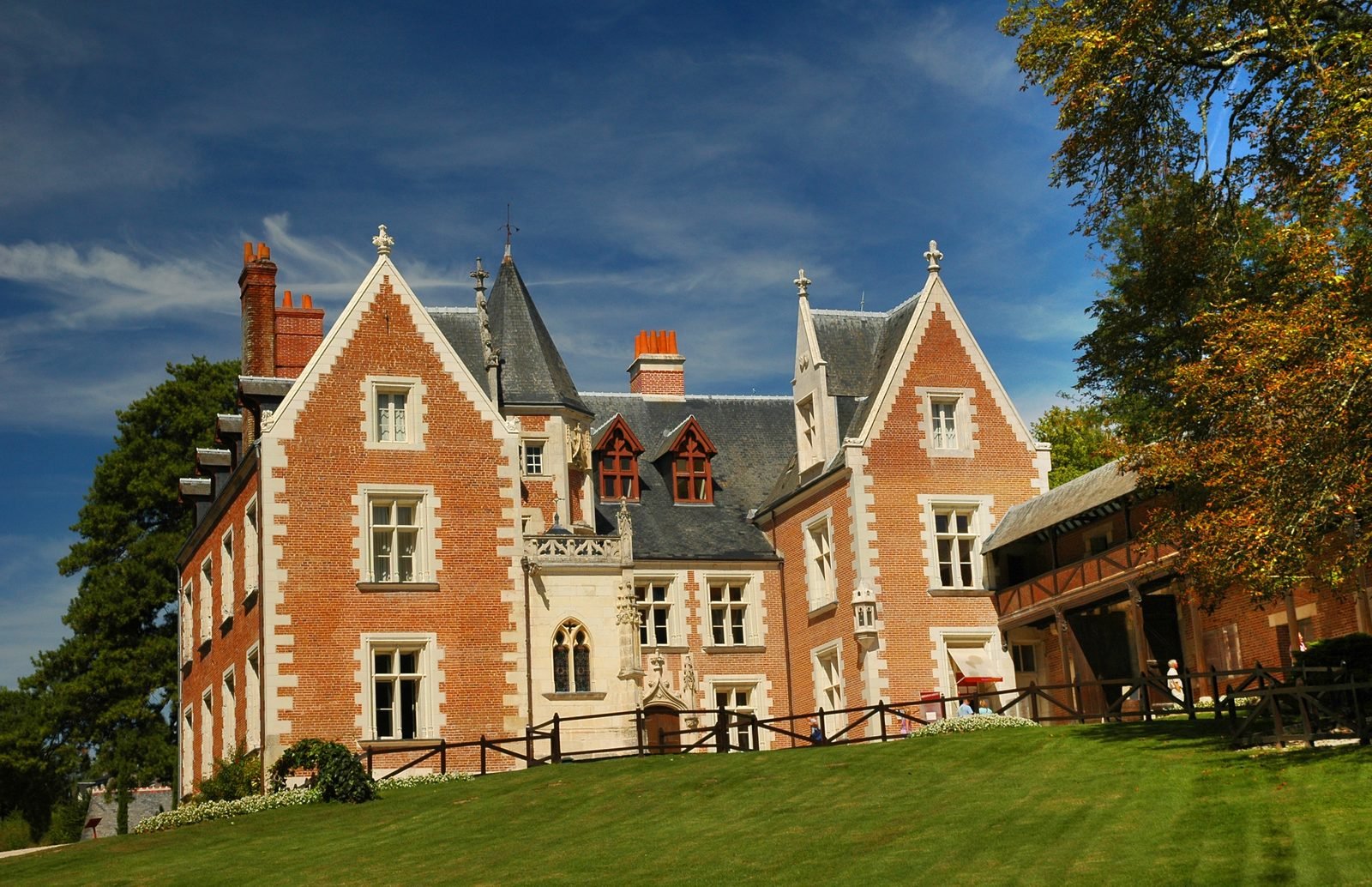
Château Royal d'Amboise
Centre-Val de Loire · Indre-et-Loire

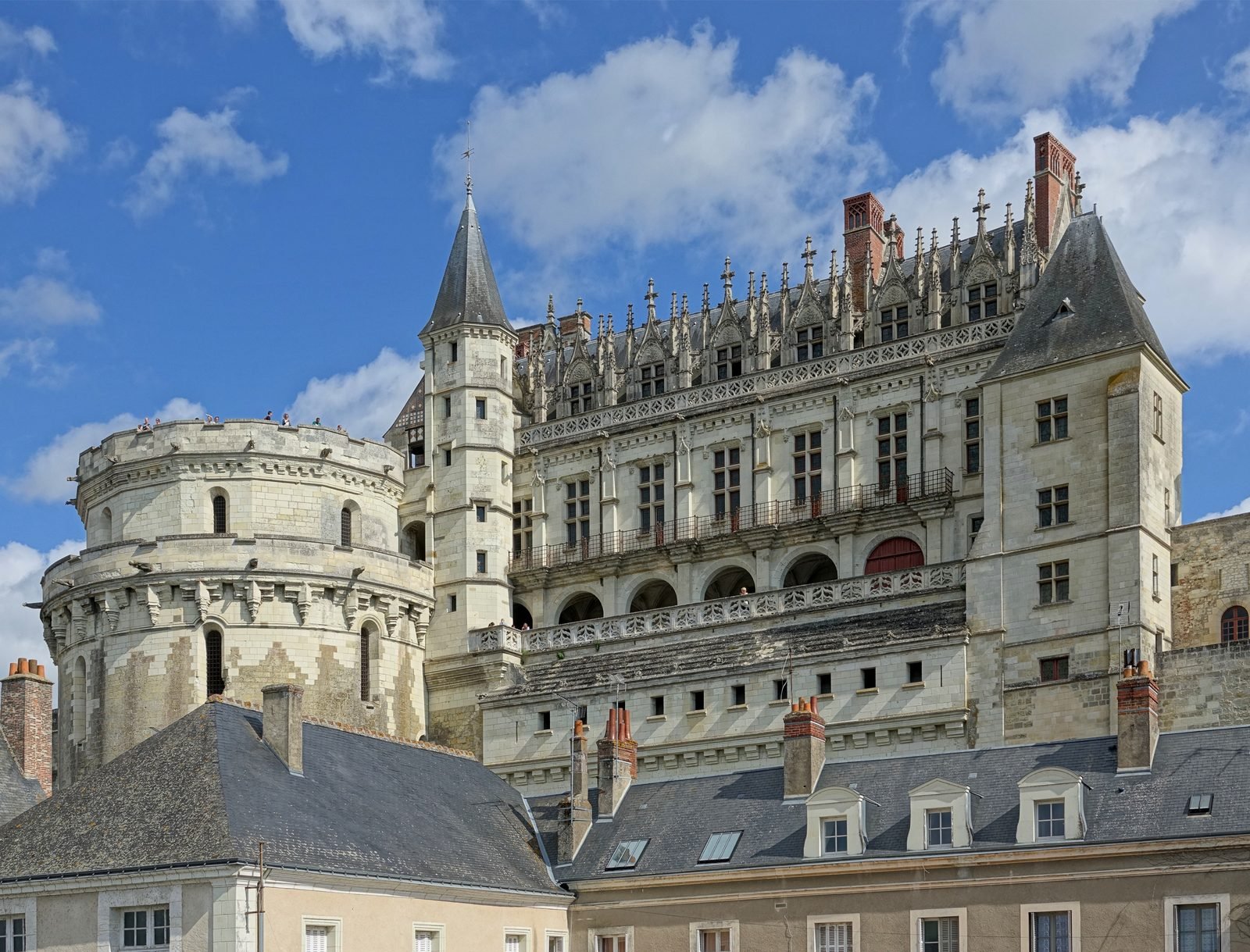
Château Royal d'Amboise

15th–16th centuries · Late Gothic and early Renaissance

The royal château rising directly above the Loire where the French Renaissance first took root: Charles VIII was born and died here, Francis I spent his youth here, and Leonardo da Vinci — the king's guest at nearby Clos Lucé — is buried in the château's chapel of Saint-Hubert.

Full profile →
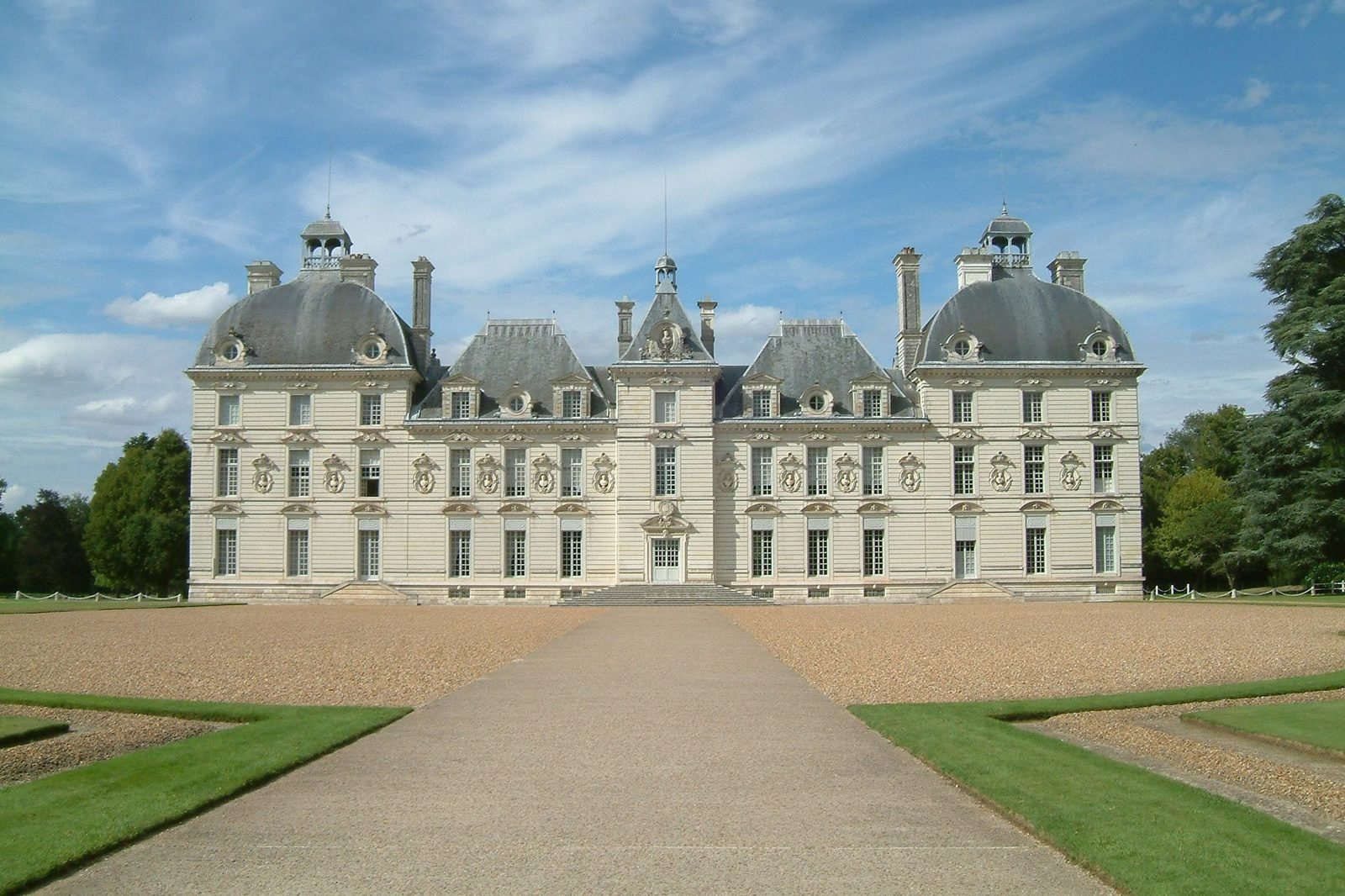
Forteresse Royale de Chinon
Centre-Val de Loire · Indre-et-Loire

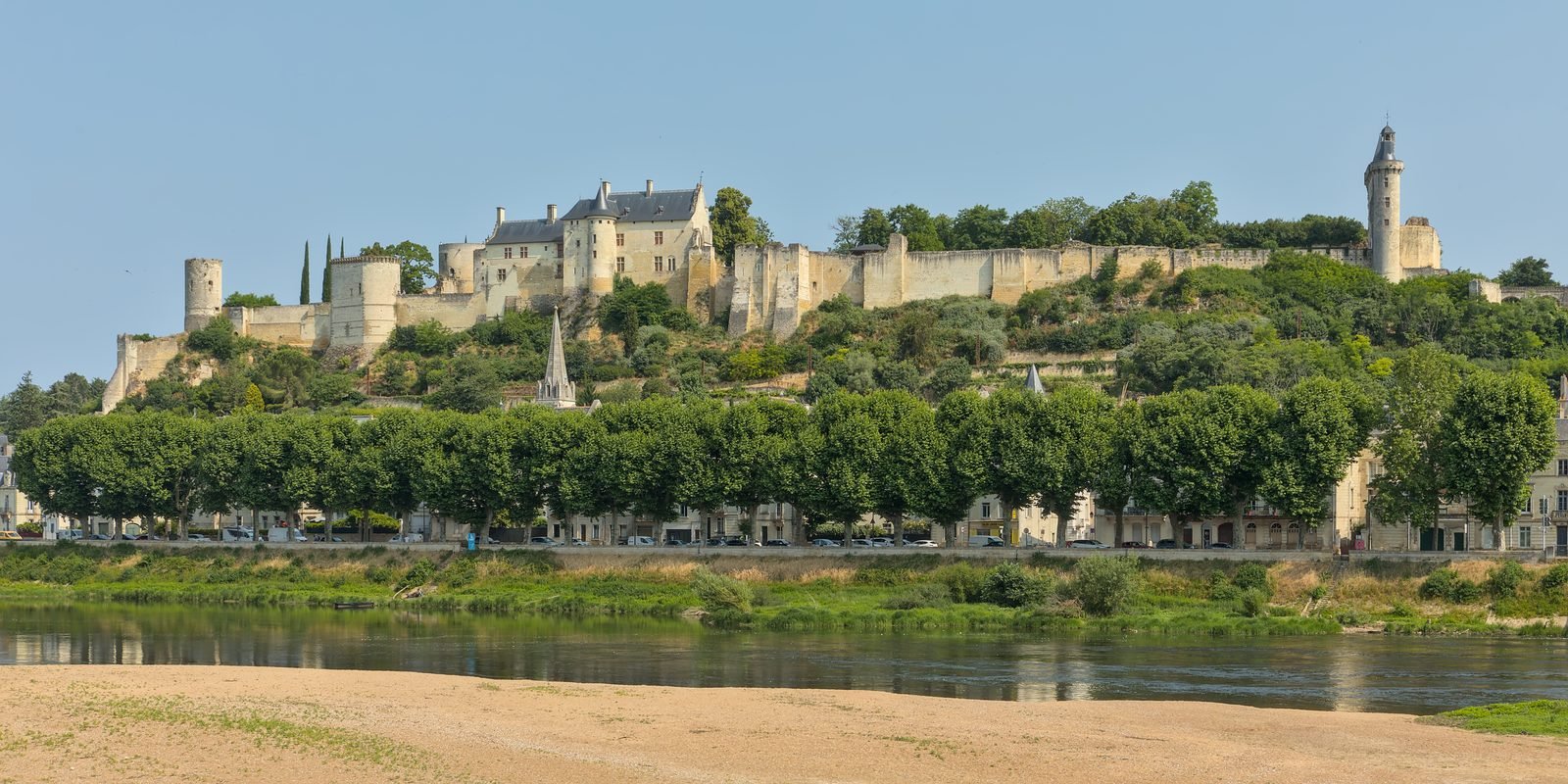
Forteresse Royale de Chinon

10th–15th centuries · Medieval royal fortress in three enclosures

A vast medieval fortress stretched along a spur above the Vienne, favourite residence of Henry II Plantagenet — and the place where, in 1429, Joan of Arc picked the disguised Dauphin out of the crowd and convinced the future Charles VII to give her an army.

Full profile →
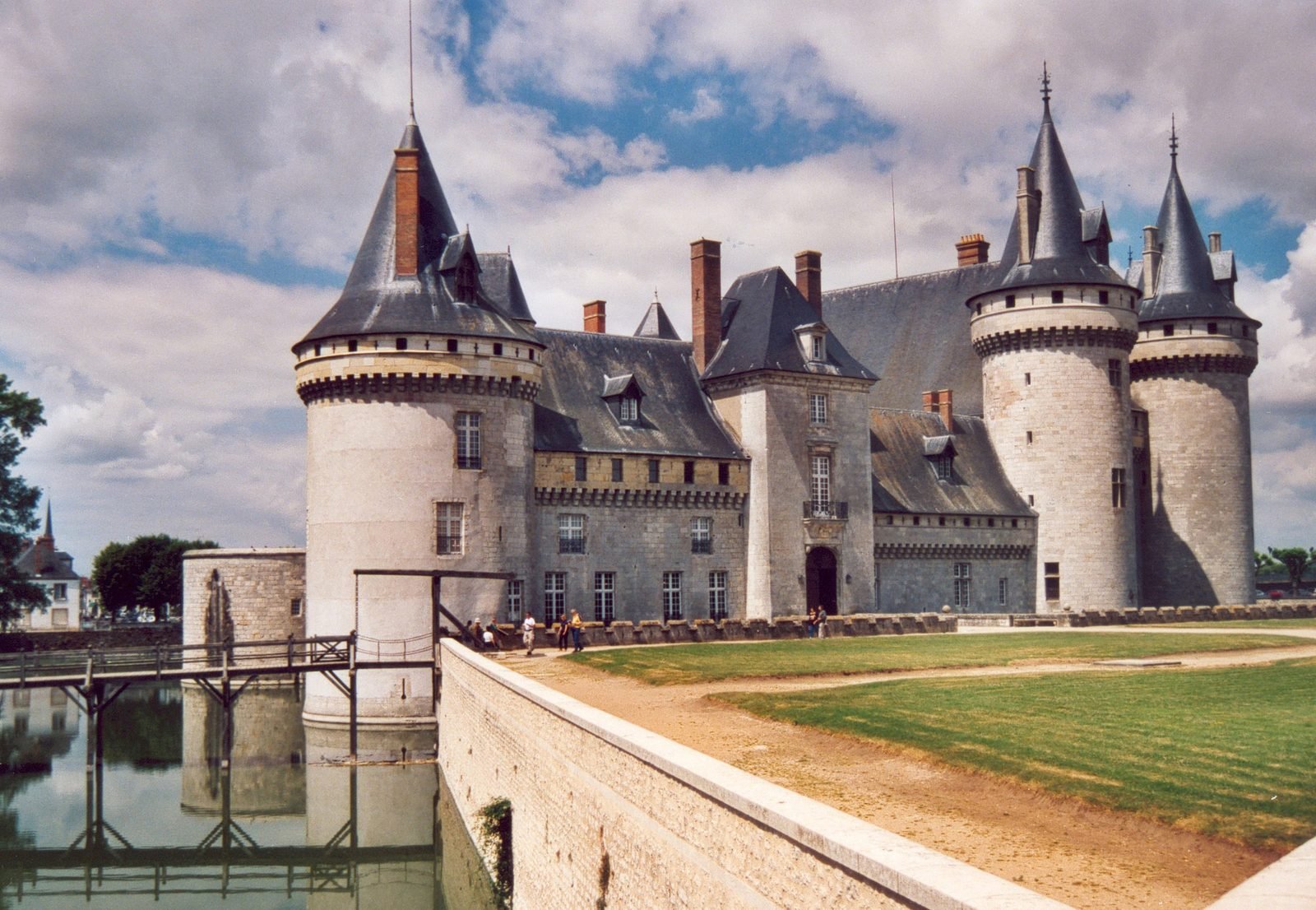
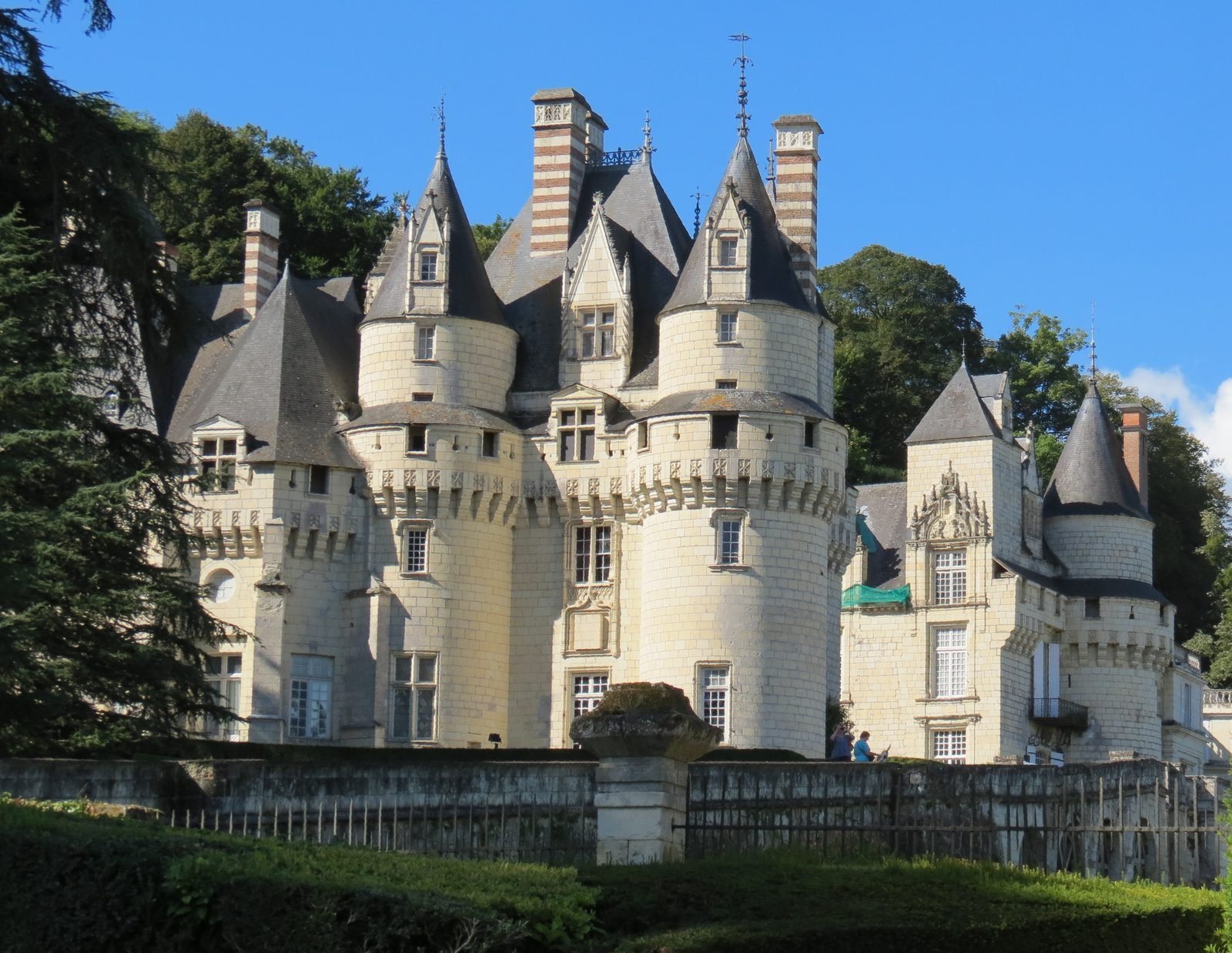
Château d'Ussé
Centre-Val de Loire · Indre-et-Loire

Château d'Ussé

15th–17th centuries · Late Gothic to classical, famously turreted

The white, many-turreted château on the edge of the Chinon forest traditionally said to have inspired Charles Perrault's Sleeping Beauty. Still privately owned and lived in by the family of the Duc de Blacas, it stages the fairy tale in its towers each season.

Full profile →
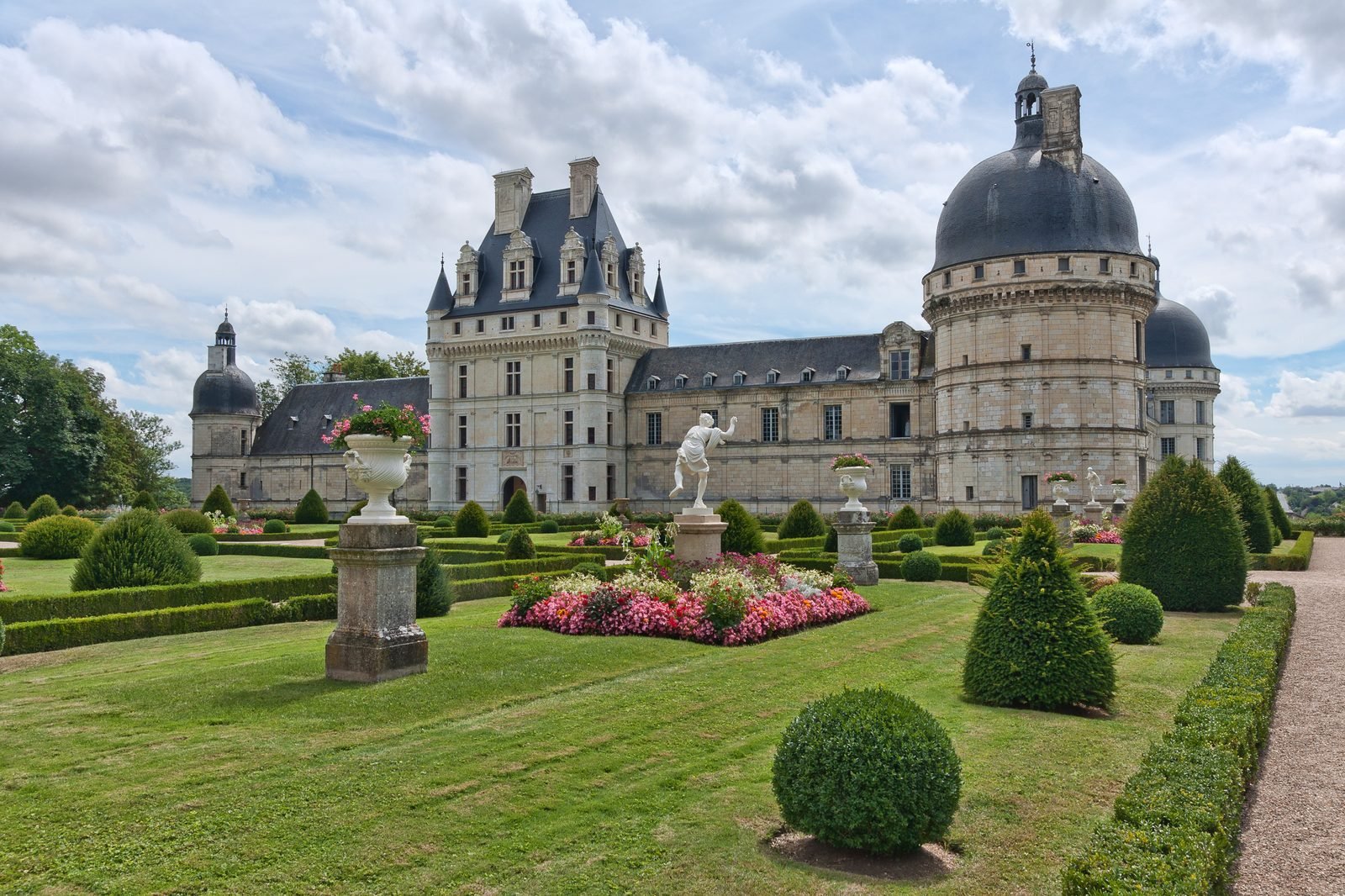
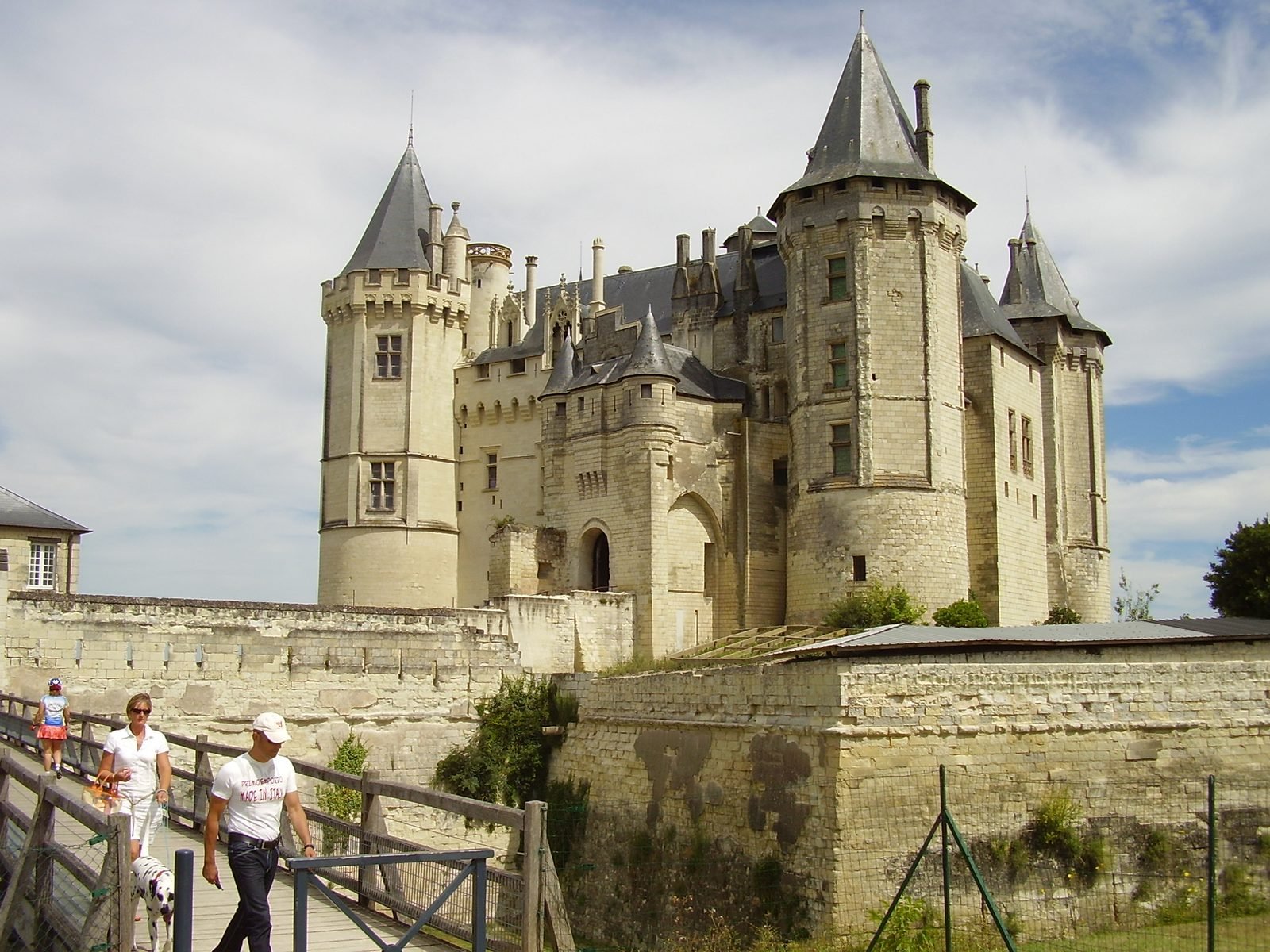
Château de Saumur
Pays de la Loire · Maine-et-Loire

Château de Saumur

14th century (on older foundations) · Late-medieval princely castle

The fairy-tale silhouette immortalised in the September page of the Très Riches Heures du Duc de Berry — a princely castle of the Dukes of Anjou crowning the town and the Loire below, later a governor's residence, prison and barracks, now the town's museum.

Full profile →
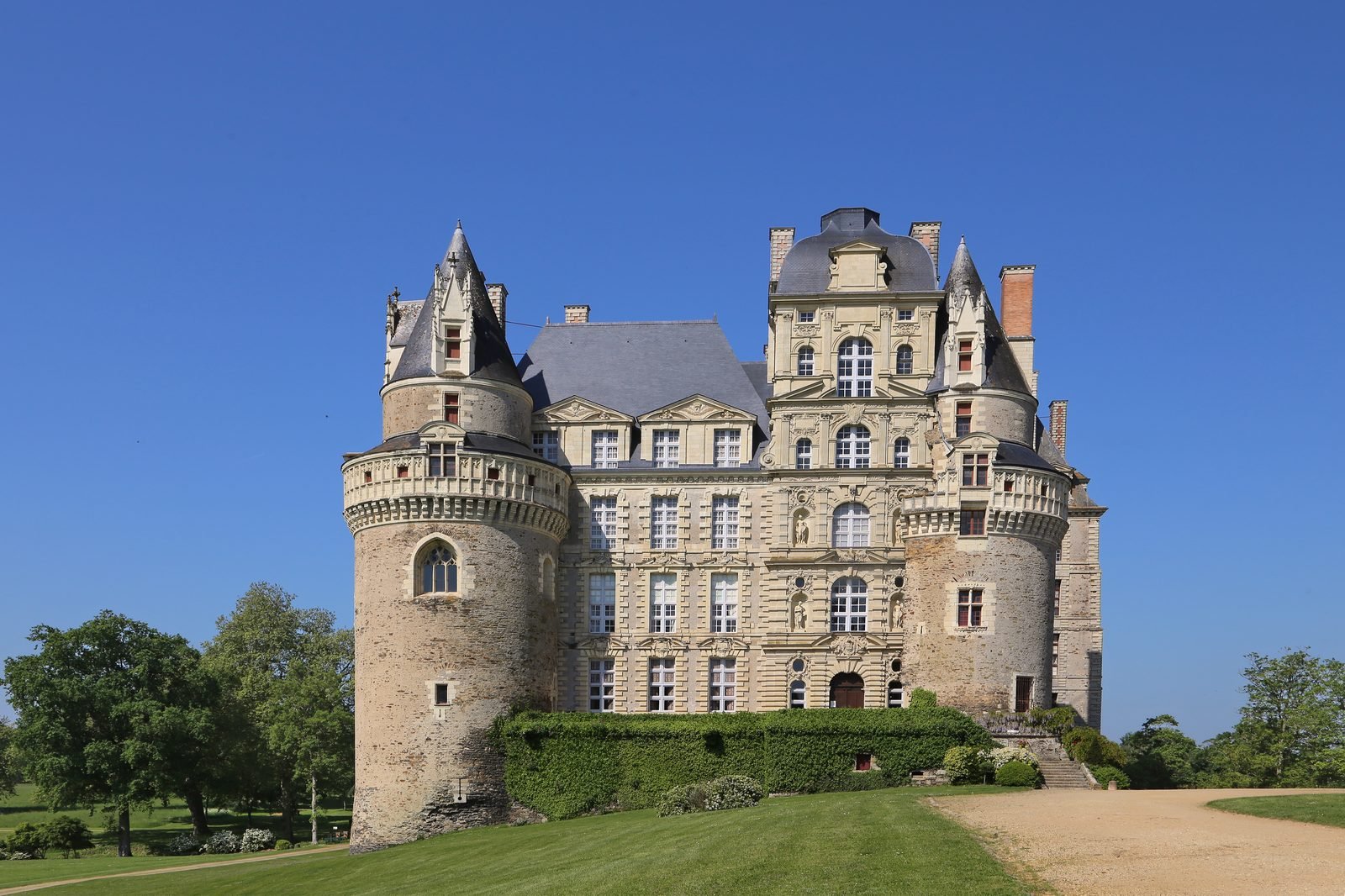
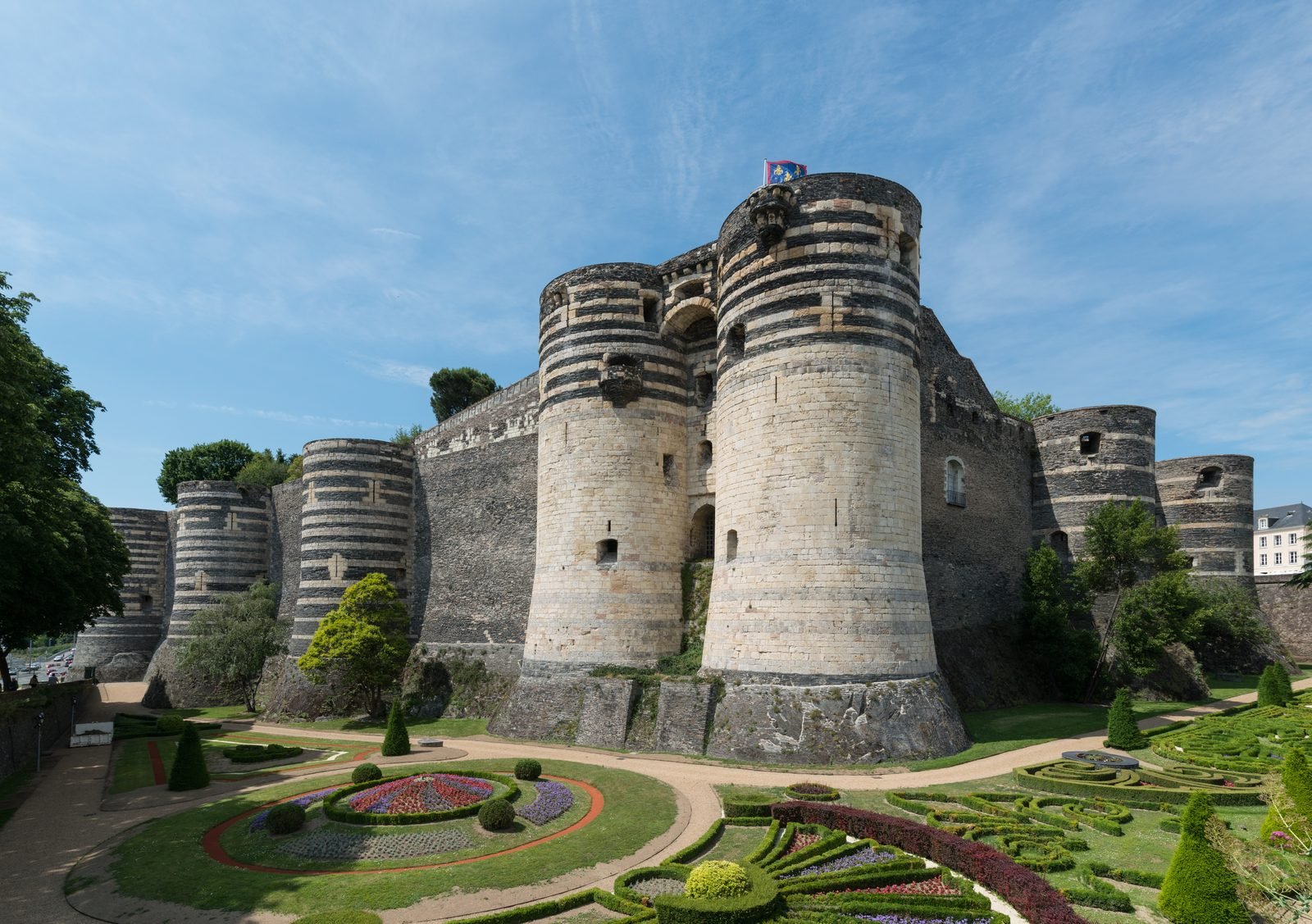
Château d'Angers
Pays de la Loire · Maine-et-Loire

Château d'Angers

1230s (fortress); interior lodgings 14th–15th c. · 13th-century royal fortress

Seventeen colossal striped towers of dark schist banded with white limestone — the fortress Blanche of Castile raised against Brittany in the 1230s. Inside its half-kilometre of walls hangs the Apocalypse Tapestry, the largest surviving medieval tapestry cycle in the world.

Full profile →
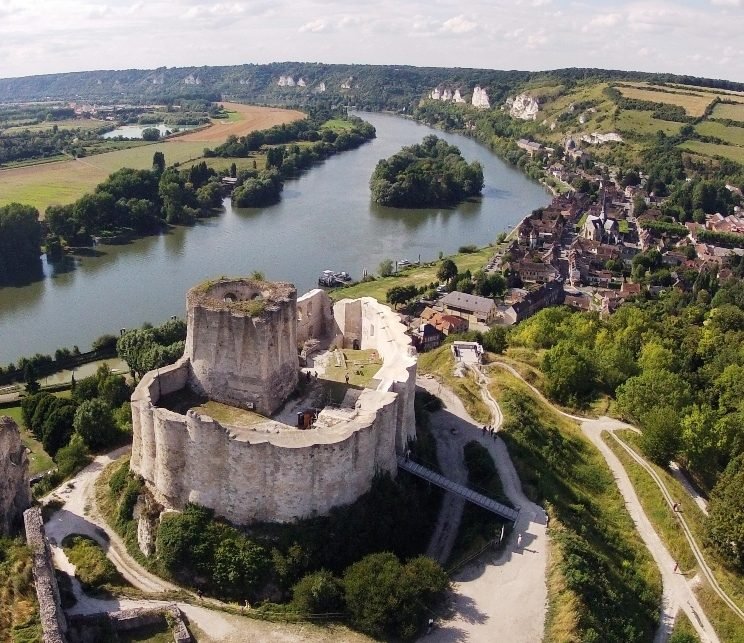
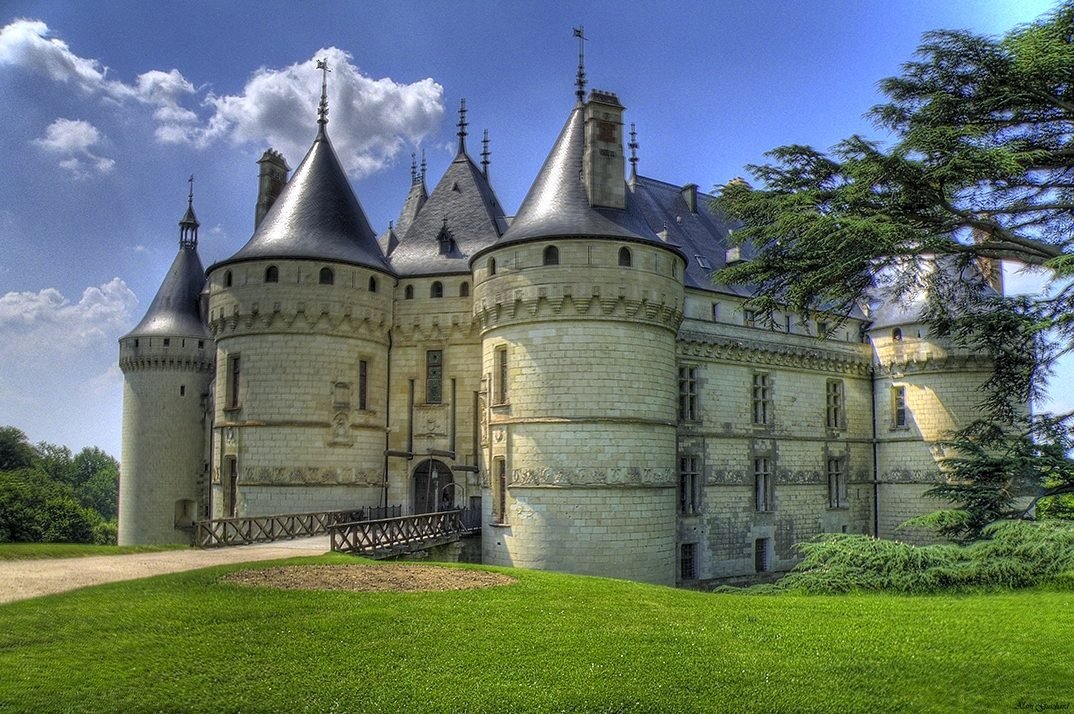
Château de Chaumont-sur-Loire
Centre-Val de Loire · Loir-et-Cher

Château de Chaumont-sur-Loire

Rebuilt 1469–1510 · Late Gothic turning Renaissance

The château Catherine de' Medici famously traded to Diane de Poitiers in exchange for Chenonceau after Henri II's death. High above the Loire with drum towers and drawbridge intact, it is now equally famous as home of the International Garden Festival, held every year since 1992.

Full profile →
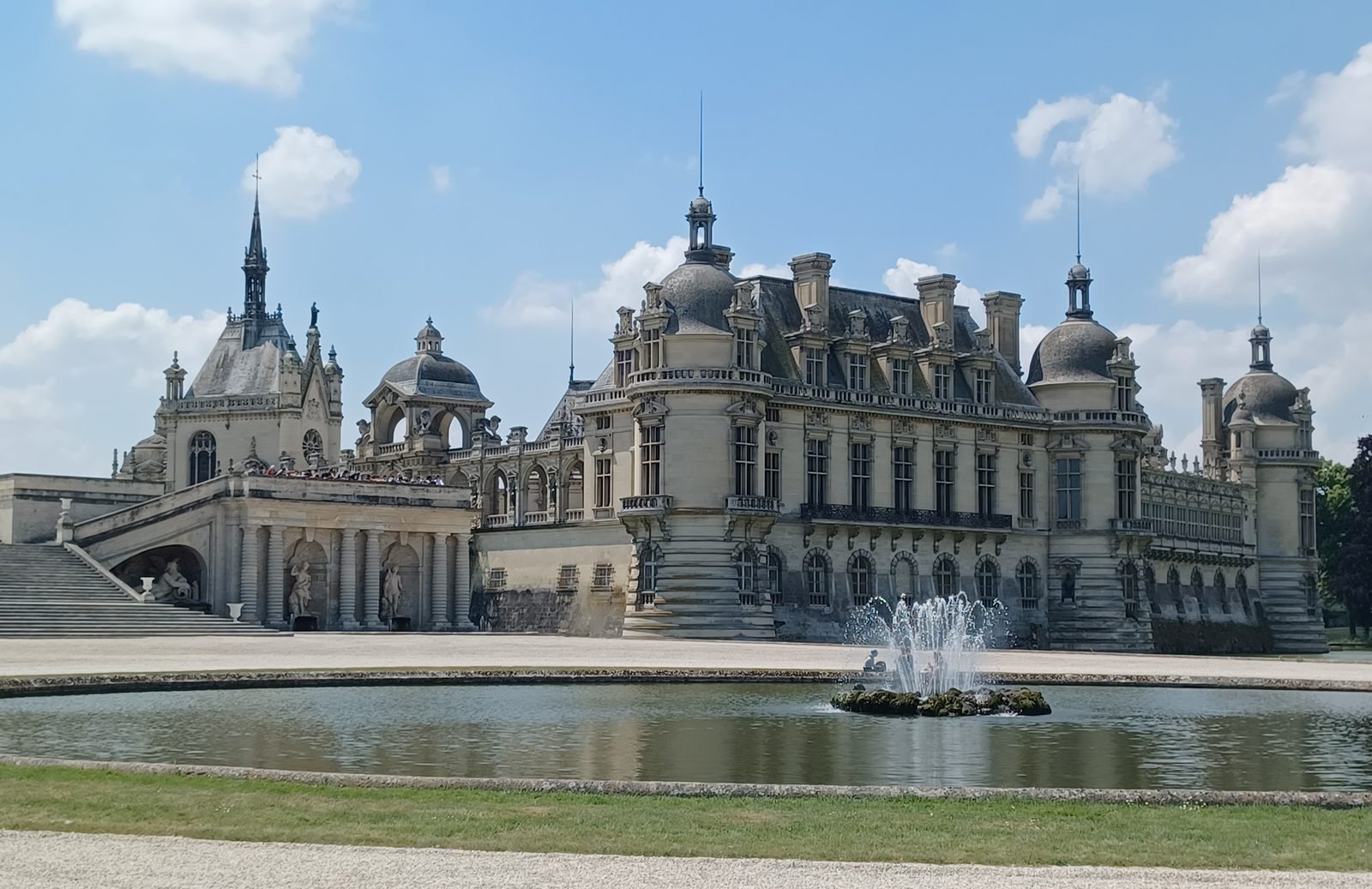
Château de Chantilly
Hauts-de-France · Oise

Château de Chantilly

Petit Château c. 1560; Grand Château rebuilt 1875–1882 · Renaissance and 19th-century Renaissance revival

Razed after the Revolution and rebuilt by the Duc d'Aumale to house his collections, Chantilly's Musée Condé holds one of the finest gatherings of old-master paintings in France after the Louvre — displayed, by the terms of his bequest, exactly as he hung them. Le Nôtre's water gardens and the monumental Great Stables complete the ensemble.

Full profile →
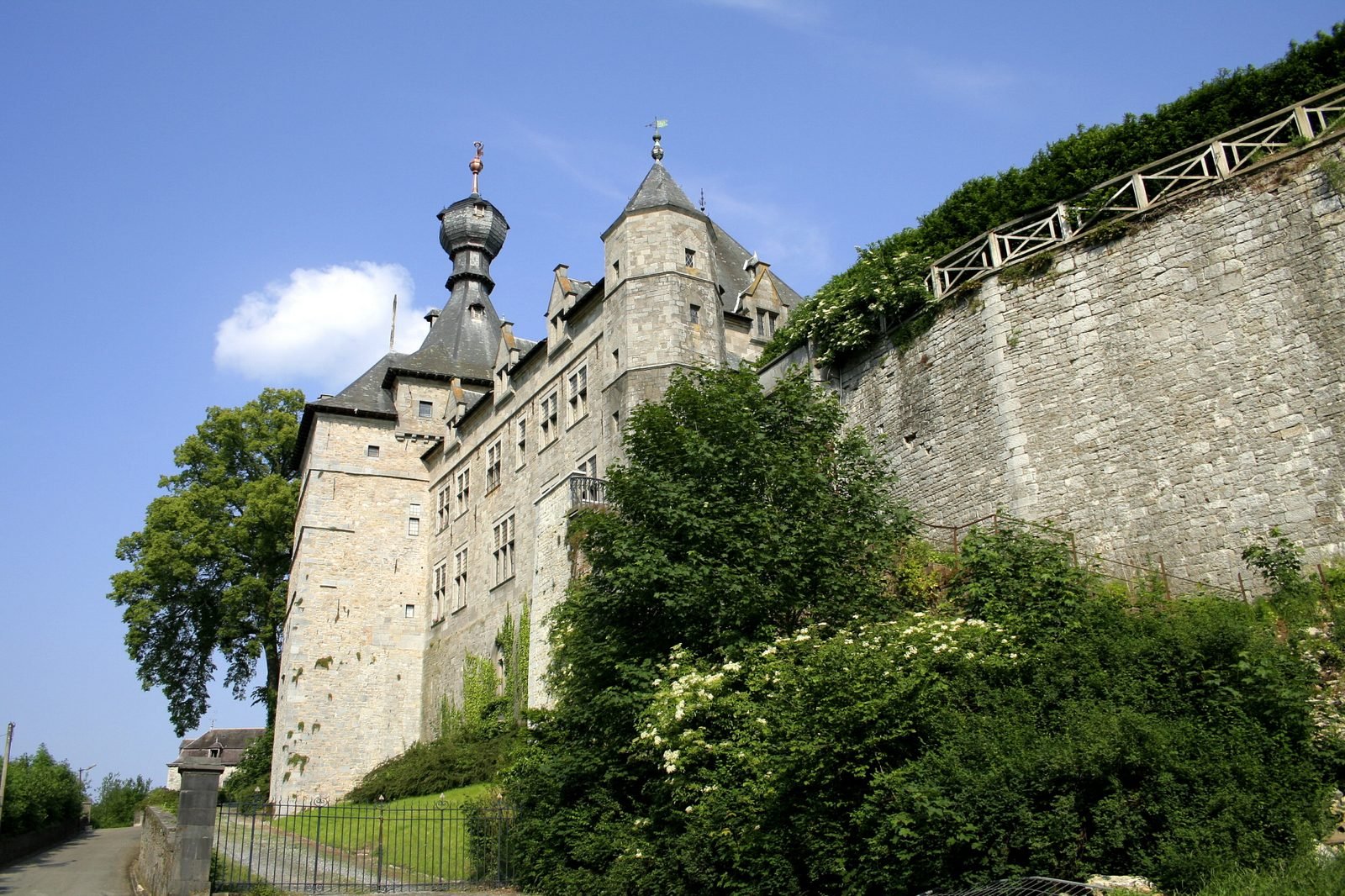
Château de Chimay
Wallonia (Belgium) · Hainaut

Château de Chimay

Medieval origins; rebuilt repeatedly, latterly after the 1935 fire · Composite — medieval base, classical and revival rebuilding

Seat of the Princes de Chimay for five centuries, perched above the Eau Blanche in Belgium's Hainaut. Madame Tallien — Thérésa Cabarrus, 'Notre-Dame de Thermidor' — ended her days here as Princesse de Chimay, and the château's jewel is its intimate 19th-century theatre, still in use. Rebuilt after a devastating fire in 1935, it remains the family's home.

Full profile →
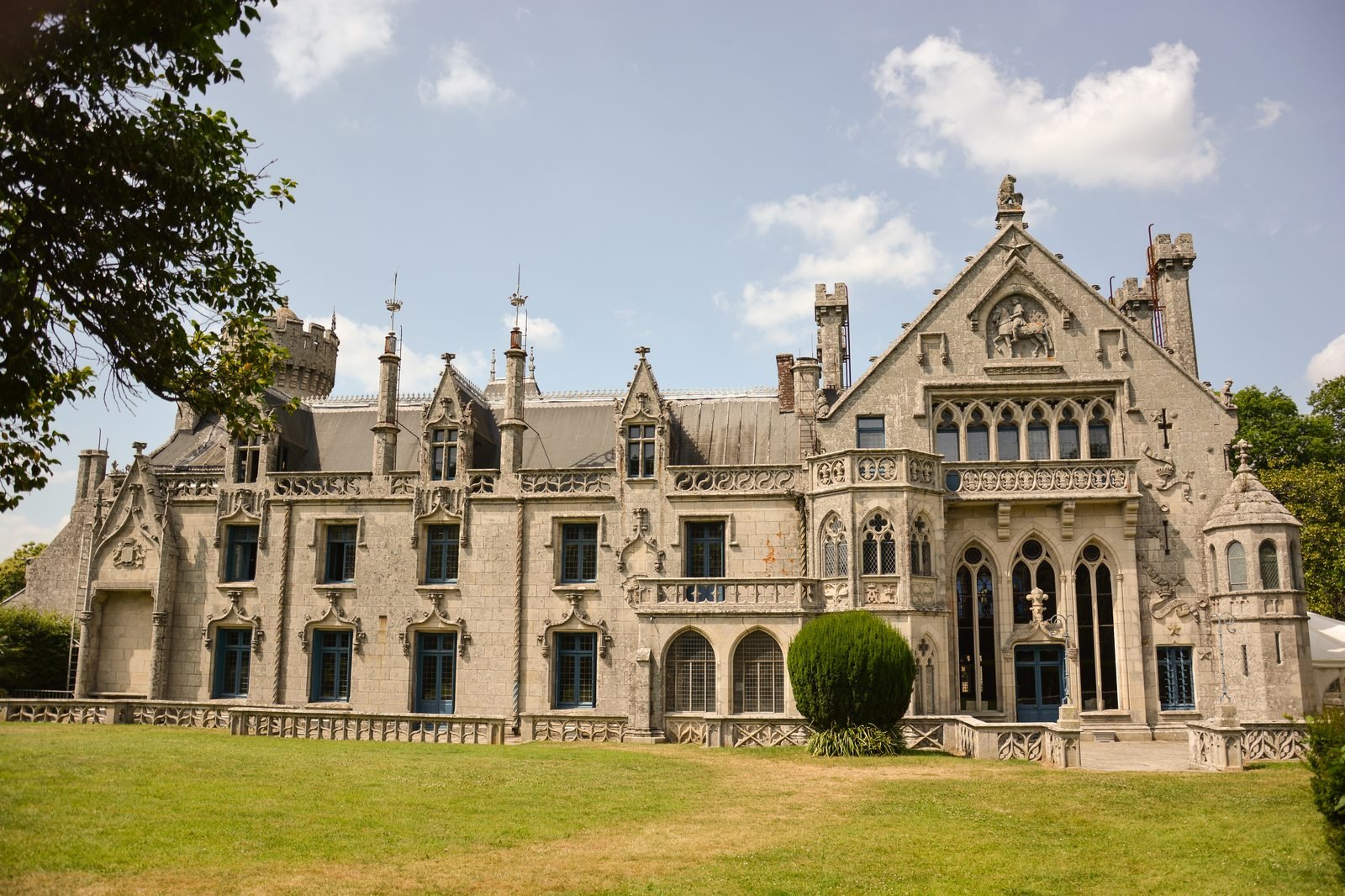
Château de Keriolet
Brittany · Finistère

Château de Keriolet

Rebuilt 1862–1870s on older manor · Neo-Gothic flamboyant

A flamboyant neo-Gothic fantasy outside Concarneau, rebuilt by the Russian princess Zénaïde Narychkine and Quimper architect Joseph Bigot. Through her line the château passed to Prince Felix Yusupov — famed as an assassin of Rasputin — giving this Breton confection its improbable Russian imperial thread.

Full profile →
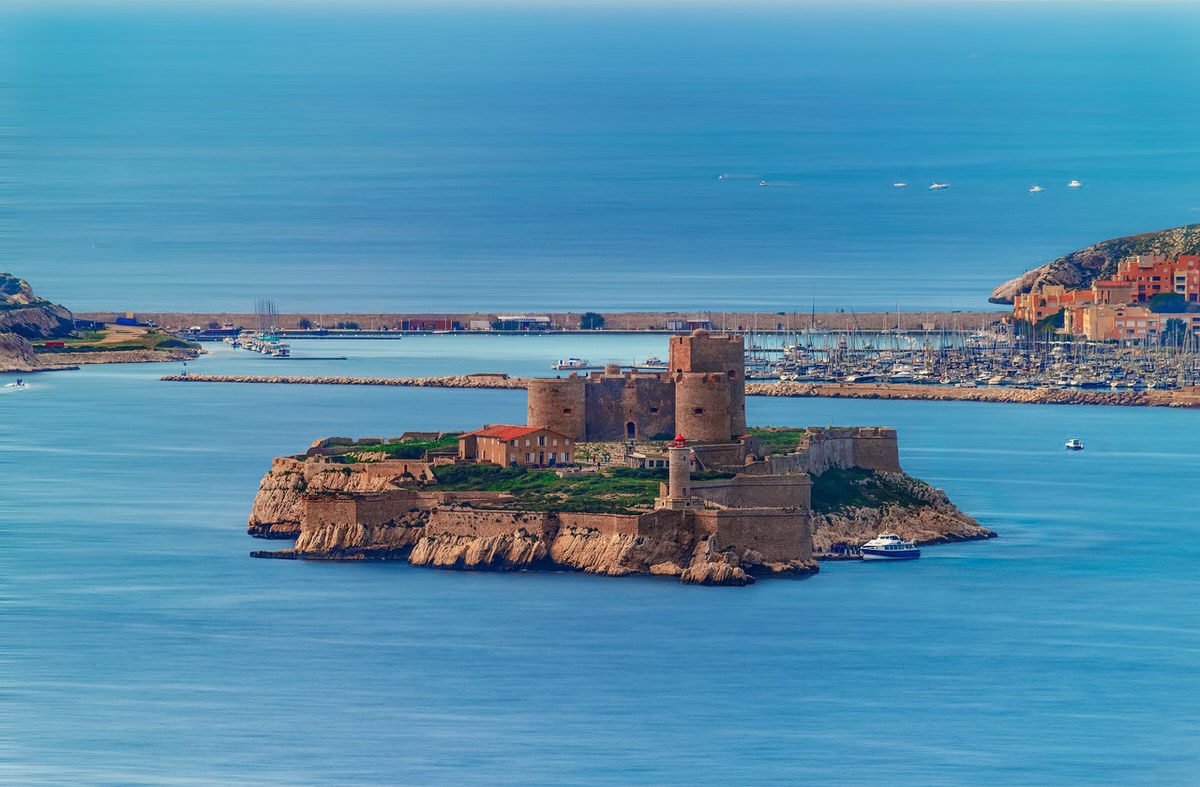
Château d'If
Provence-Alpes-Côte d'Azur · Bouches-du-Rhône

Château d'If

1524–1531 · Renaissance island fortress

The island fortress in the bay of Marseille, built by Francis I to guard the port and soon converted into the prison it never ceased to be for three centuries. Alexandre Dumas made it immortal as the dungeon of Edmond Dantès in The Count of Monte Cristo — fiction so powerful the 'cell of Dantès' is shown to this day.

Full profile →
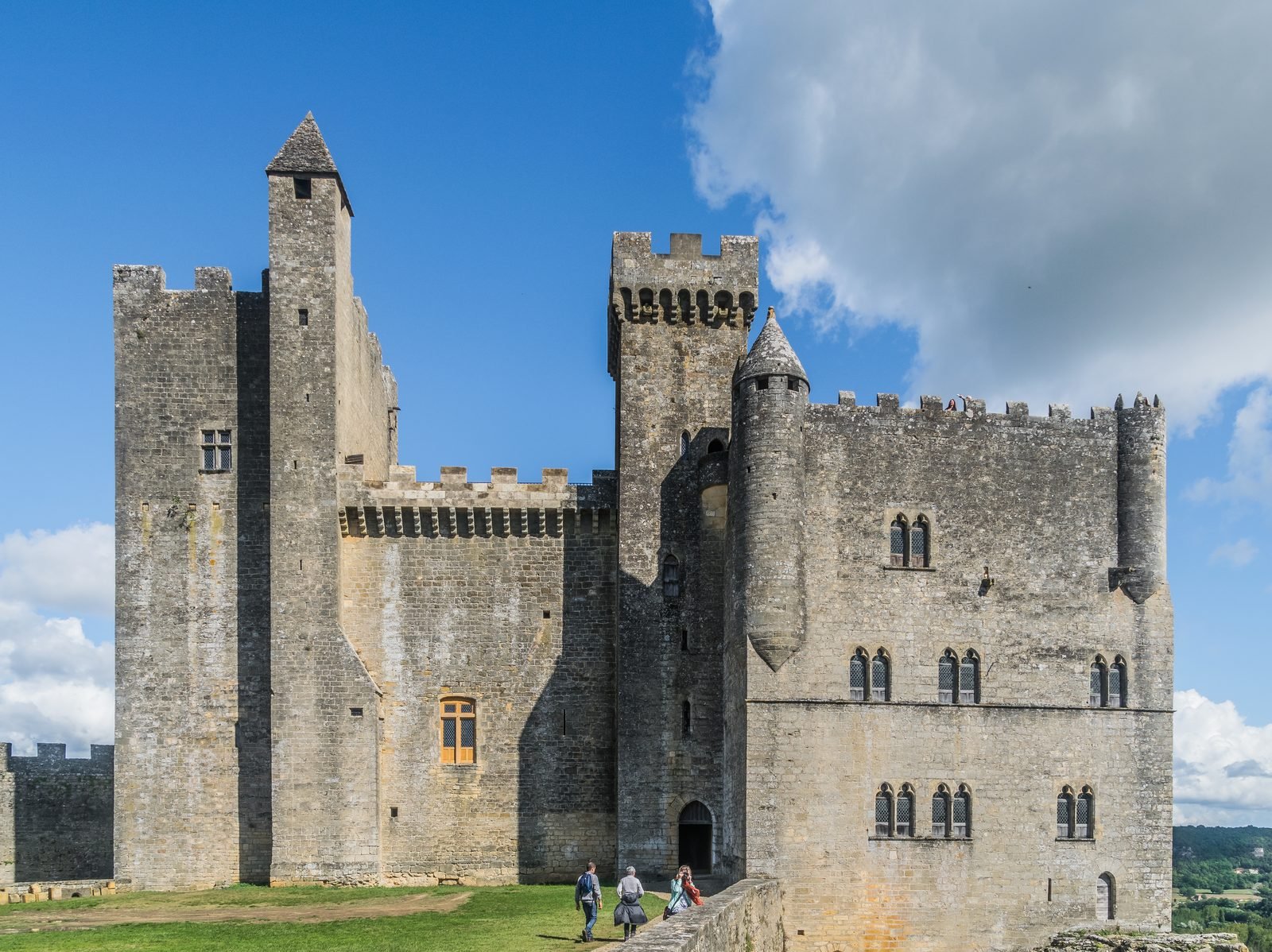
Château de Beynac
Nouvelle-Aquitaine · Dordogne

Château de Beynac

12th century onwards · Medieval clifftop fortress

One of the four great baronies of Périgord, planted on a sheer cliff 150 metres above the Dordogne. Richard the Lionheart briefly held it; through the Hundred Years' War it stared down English-held Castelnaud directly across the river — two fortresses locked in a century of glaring.

Full profile →
Château de Castelnaud
Nouvelle-Aquitaine · Dordogne

Château de Castelnaud

12th–13th centuries · Medieval fortress

Beynac's great rival across the Dordogne, held for long stretches by the English during the Hundred Years' War. Today it houses the Museum of Medieval Warfare, complete with full-scale reconstructed siege engines — its trebuchets are among the best-known in Europe.

Full profile →
Château des Milandes
Nouvelle-Aquitaine · Dordogne

Château des Milandes

1489 · Late Gothic–Renaissance manor

The Caumont family's refined 15th-century manor became world-famous as the home of Josephine Baker, who lived here from 1947 to 1968 and raised her twelve adopted children — the 'Rainbow Tribe'. Decorated Resistance agent, star and civil-rights campaigner, Baker entered the Panthéon in 2021; Les Milandes tells her story.

Full profile →
Château de Langeais
Centre-Val de Loire · Indre-et-Loire

Château de Langeais

Keep c. 994; château rebuilt from 1465 · Late medieval royal château

Two castles in one: the ruined stone keep of Foulques Nerra — among the oldest in France — and Louis XI's feudal-faced château of the 1460s. In its great hall on 6 December 1491, Charles VIII secretly married Anne of Brittany, the union that bound Brittany to France.

Full profile →
Château du Clos Lucé
Centre-Val de Loire · Indre-et-Loire

Château du Clos Lucé

1471 (manor) · Brick-and-stone late Gothic manor

The manor beside Amboise where Leonardo da Vinci spent his last three years as 'First Painter, Engineer and Architect of the King' to Francis I — arriving from Italy with the Mona Lisa in his baggage. He died here on 2 May 1519; the house and park now stage his machines and workshops.

Full profile →
Château de Cheverny
Centre-Val de Loire · Loir-et-Cher

Château de Cheverny

1624–1630 · Louis XIII classicism

Built in a single campaign and never remodelled, Cheverny has the most sumptuously intact interiors of the Loire — and has belonged to the same family, the Huraults, for six centuries. Hergé used its central block as the model for Captain Haddock's Marlinspike Hall (Moulinsart).

Full profile →
Château de Sully-sur-Loire
Centre-Val de Loire · Loiret

Château de Sully-sur-Loire

Keep from 1395 · Late-medieval moated castle

A storybook moated castle at the eastern gate of the Loire châteaux country, bought in 1602 by Maximilien de Béthune — Henri IV's great minister, who took his ducal title from it. The young Voltaire, exiled from Paris, wrote and staged plays here; the keep's 600-year-old chestnut roof frame is among the finest surviving.

Full profile →
Château de Valençay
Centre-Val de Loire · Indre

Château de Valençay

Begun 1540 · Renaissance and classical

Talleyrand's great stage: Napoleon urged his foreign minister to buy Valençay in 1803 to dazzle visiting dignitaries, and from 1808 to 1814 it 'hosted' — in gilded detention — Ferdinand VII of Spain. The kitchens of Talleyrand's legendary chef Antonin Carême complete the diplomatic theatre.

Full profile →
Château de Brissac
Pays de la Loire · Maine-et-Loire

Château de Brissac

Rebuilt from 1606 within medieval towers · 17th-century baroque within a medieval shell

The 'Giant of the Loire Valley' — at seven storeys the tallest château in France, its baroque façade wedged between the medieval towers the rebuilding never managed to demolish. Seat of the Dukes of Brissac since 1502, it hides a gilded Belle Époque opera theatre in its upper floors.

Full profile →
Château Gaillard
Normandy · Eure

Château Gaillard

1196–1198 · Crusader-era military architecture

Richard the Lionheart's 'saucy castle', thrown up in barely two years on the chalk cliffs above the Seine to lock Philip Augustus out of Normandy — state-of-the-art military engineering fresh from the Crusades. It fell anyway, in 1204, after an epic siege; the ruin above Les Andelys is one of France's great medieval silhouettes.

Full profile →
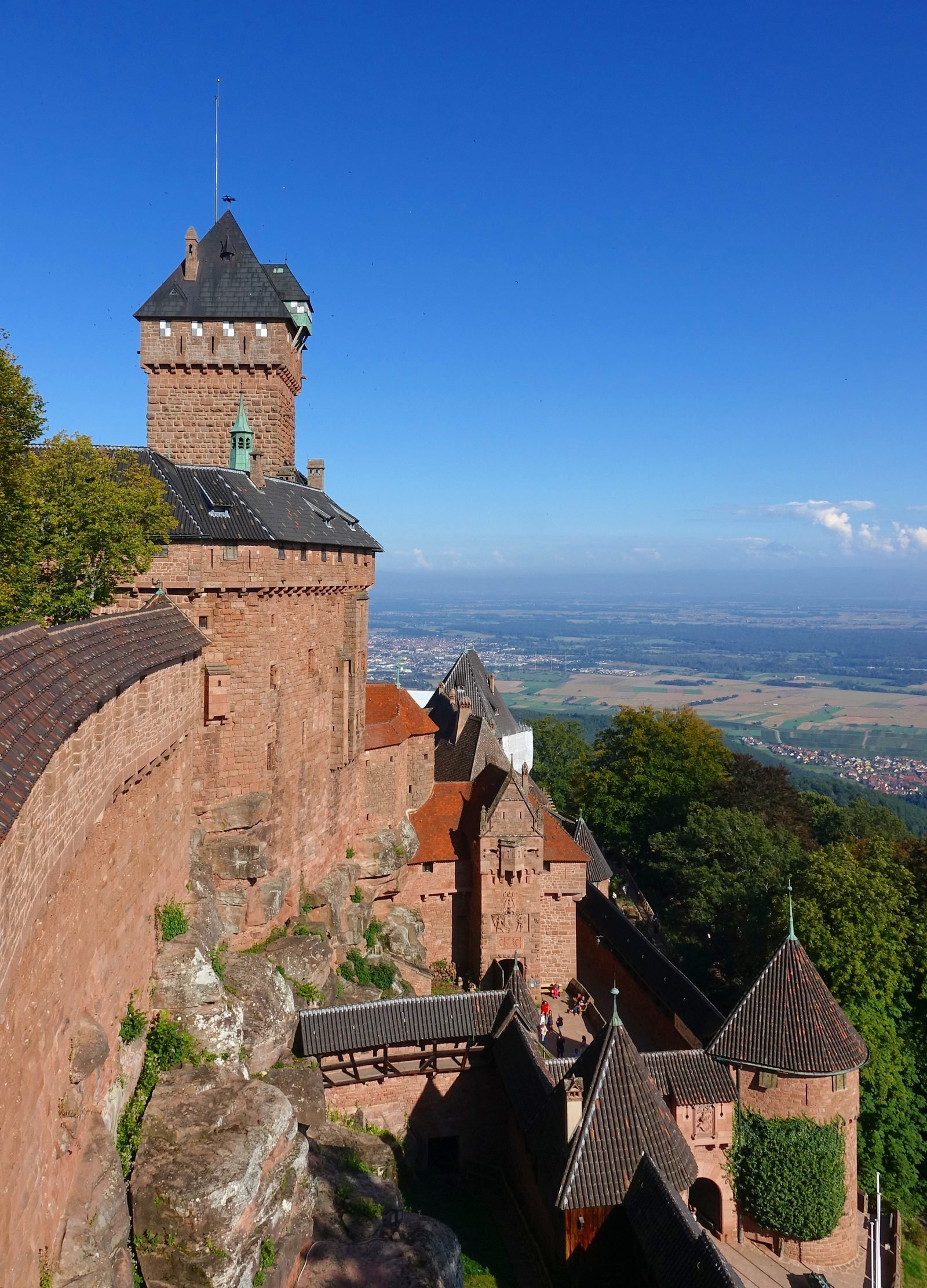
Château du Haut-Kœnigsbourg
Grand Est · Bas-Rhin

Château du Haut-Kœnigsbourg

12th century; rebuilt 1900–1908 · Medieval mountain castle, imperial reconstruction

A pink-sandstone eagle's nest at 750 metres on the Alsace wine route, ruined since 1633 and spectacularly rebuilt for Kaiser Wilhelm II by Bodo Ebhardt as a manifesto of German imperial romanticism — Alsace was then German. Returned to France in 1919, it is now one of the country's most visited monuments.

Full profile →
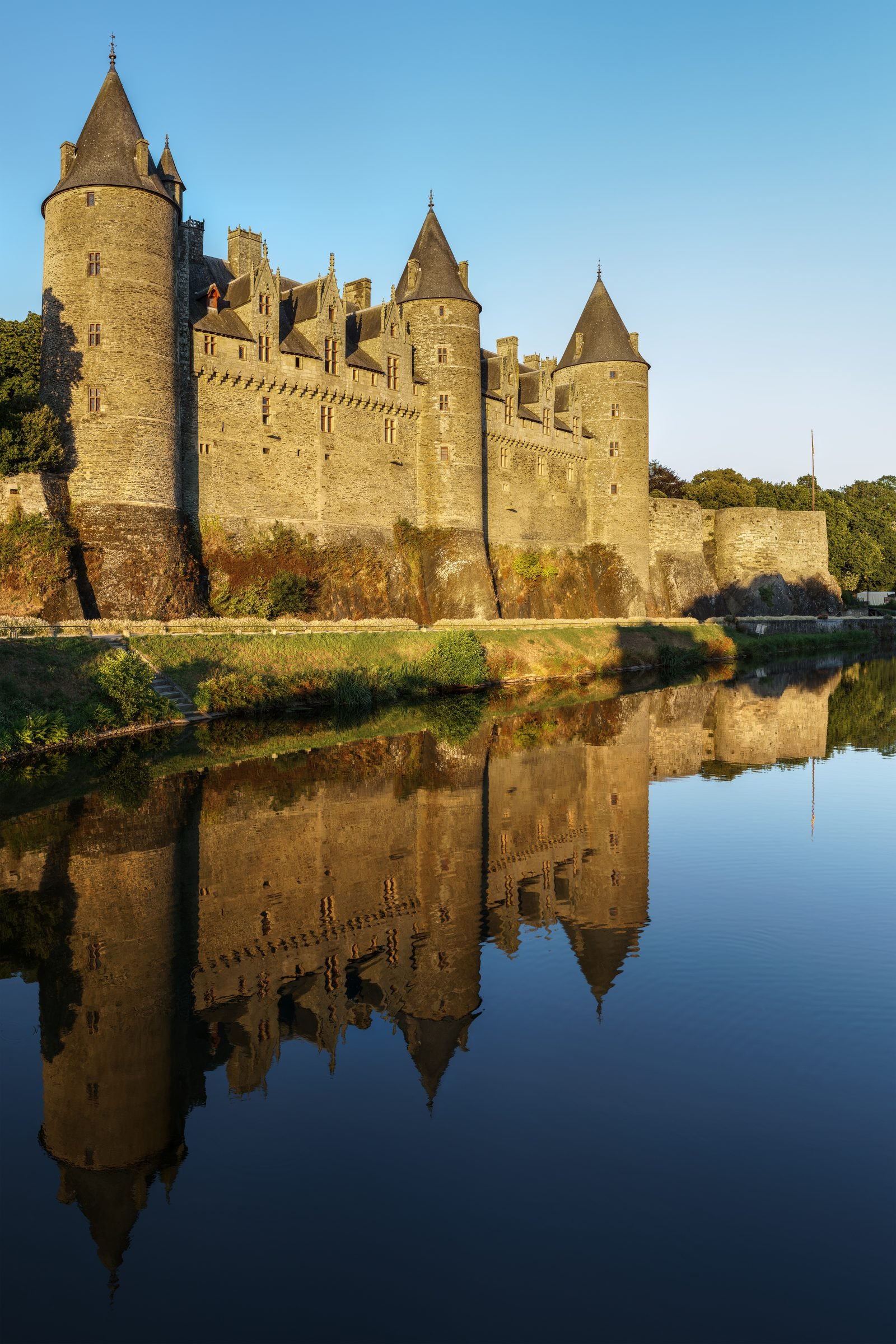
Château de Josselin
Brittany · Morbihan

Château de Josselin

14th century; façade early 16th century · Medieval fortress with flamboyant Gothic façade

Three great towers rising sheer from the rock above the Oust, and behind them one of the most beautiful flamboyant granite façades in Brittany. Fortress of Olivier de Clisson, Constable of France, it has been the seat of the Rohan family for over five centuries — and still is.

Full profile →
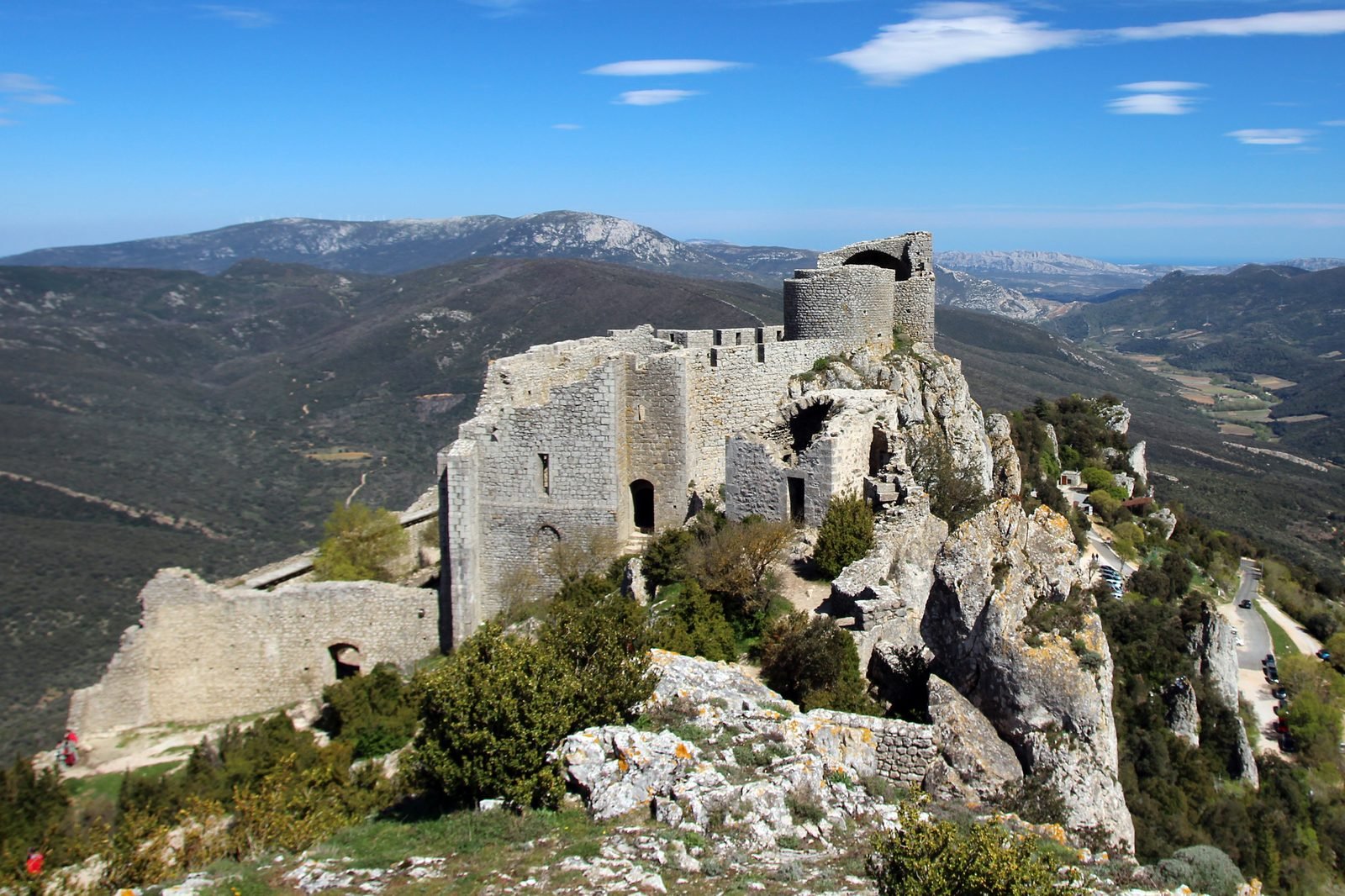
Château de Peyrepertuse
Occitanie · Aude

Château de Peyrepertuse

11th–13th centuries; royal works after 1240 · Ridge-top royal citadel

The 'celestial Carcassonne' — a citadel fused along 300 metres of limestone ridge nearly 800 metres up in the Corbières. One of the 'five sons of Carcassonne' guarding the old frontier with Aragon, its keep of Sant Jordi was reached by a staircase cut into the cliff on royal orders.

Full profile →
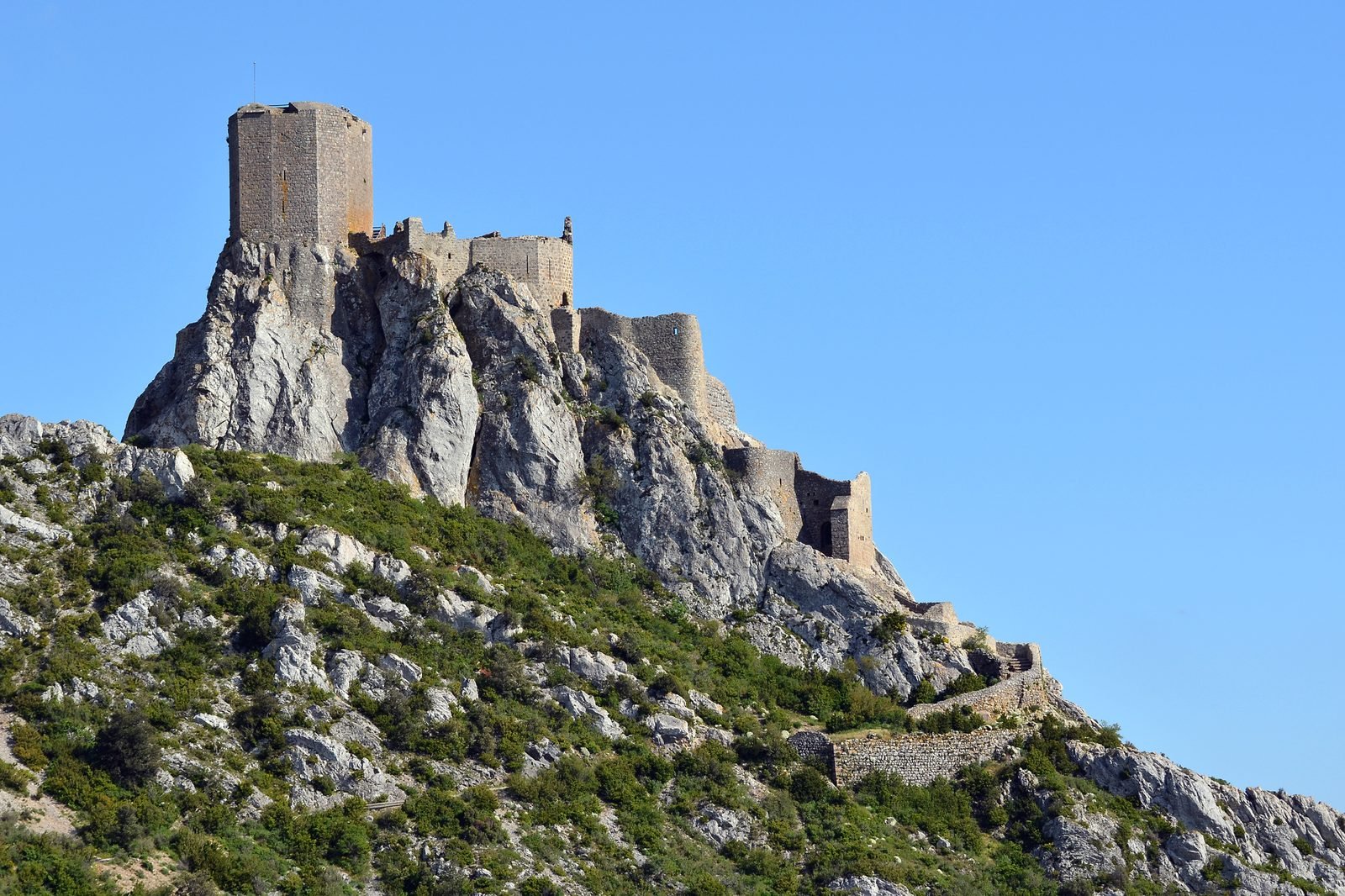
Château de Quéribus
Occitanie · Aude

Château de Quéribus

11th–13th centuries; remodelled under the French crown · Pinnacle fortress

A single bold tower on a rock needle above Cucugnan, visible for thirty kilometres — the last refuge of the Cathar church, whose final deacons sheltered here until the castle fell in 1255, over a decade after Montségur. Another of the 'five sons of Carcassonne' watching the Roussillon frontier.

Full profile →
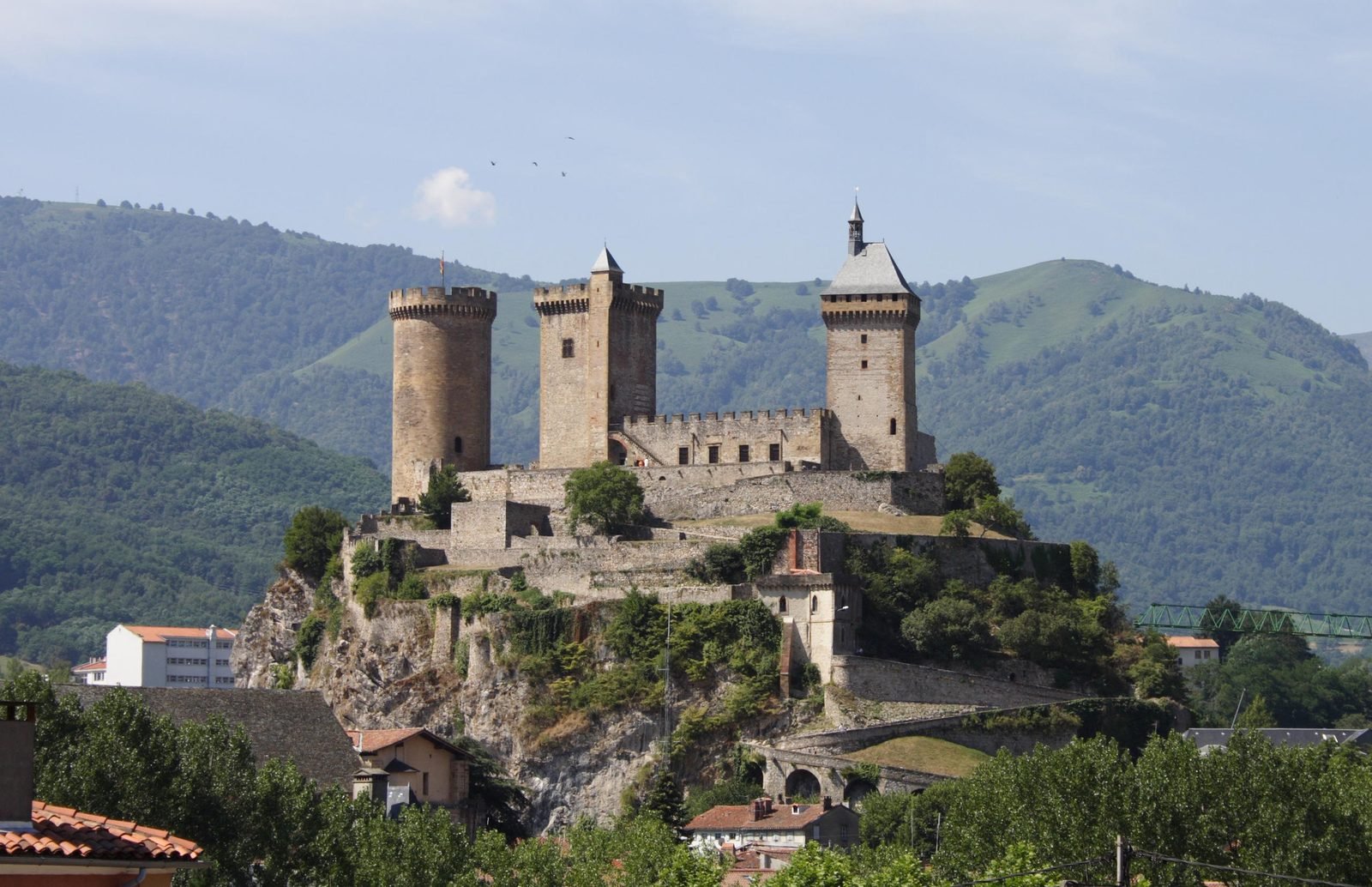
Château de Foix
Occitanie · Ariège

Château de Foix

10th–15th centuries · Comital mountain castle, three towers

Three proud towers on a rock above the Ariège — seat of the Counts of Foix, most famously Gaston Fébus, the hunting, writing, self-mythologising 'sun prince' of the Pyrenees. The castle shrugged off Simon de Montfort during the Albigensian Crusade and never fell to siege.

Full profile →
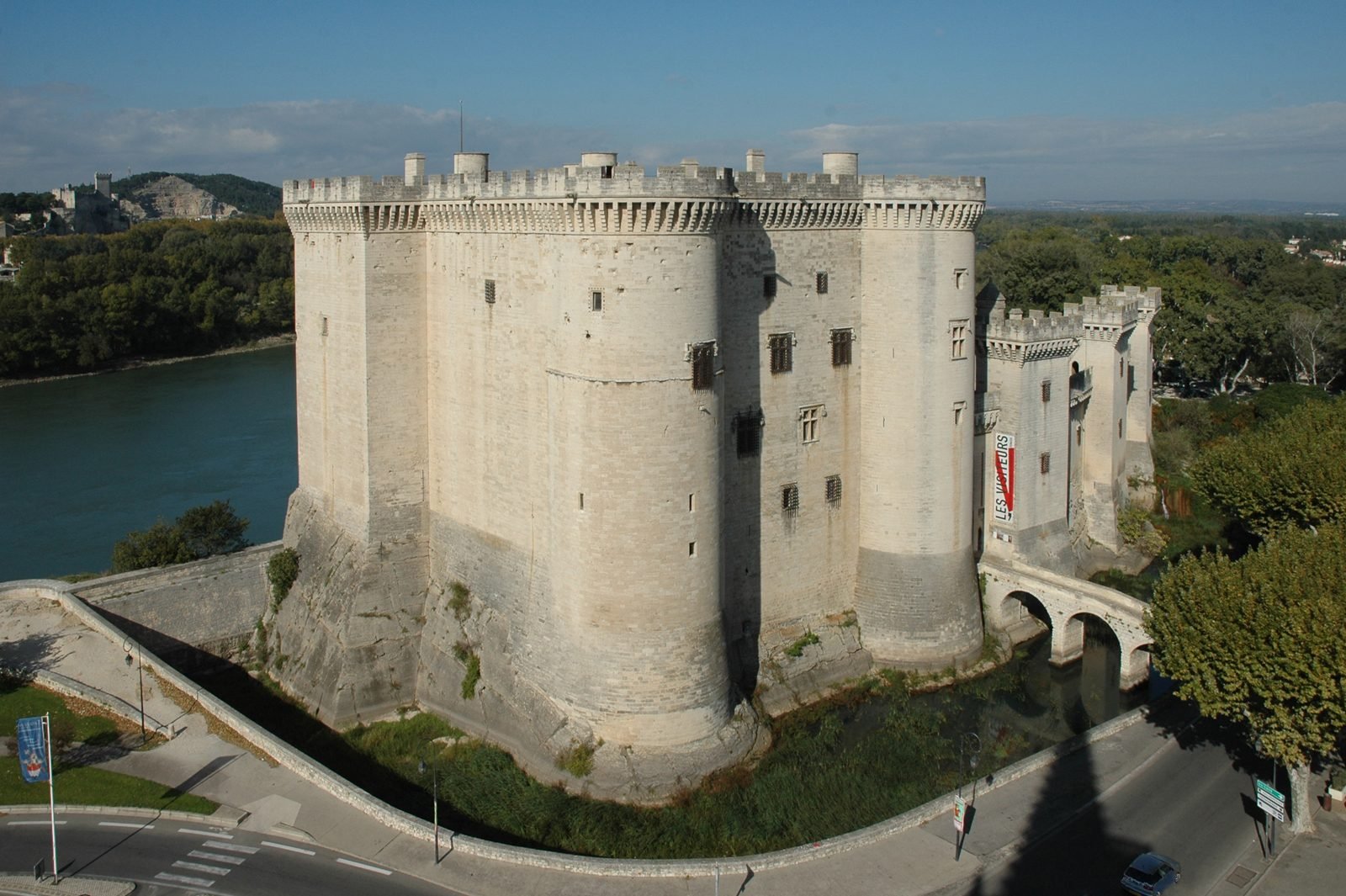
Château de Tarascon
Provence-Alpes-Côte d'Azur · Bouches-du-Rhône

Château de Tarascon

1401–1449 · Late-medieval princely fortress

Good King René's castle rises sheer from the Rhône, moat-ringed and virtually intact — one of the finest medieval castles in France. Palace and fortress at once: courtly apartments and painted ceilings within, 48-metre walls without, and centuries of prisoners' graffiti carved into its stone, including by English sailors.

Full profile →
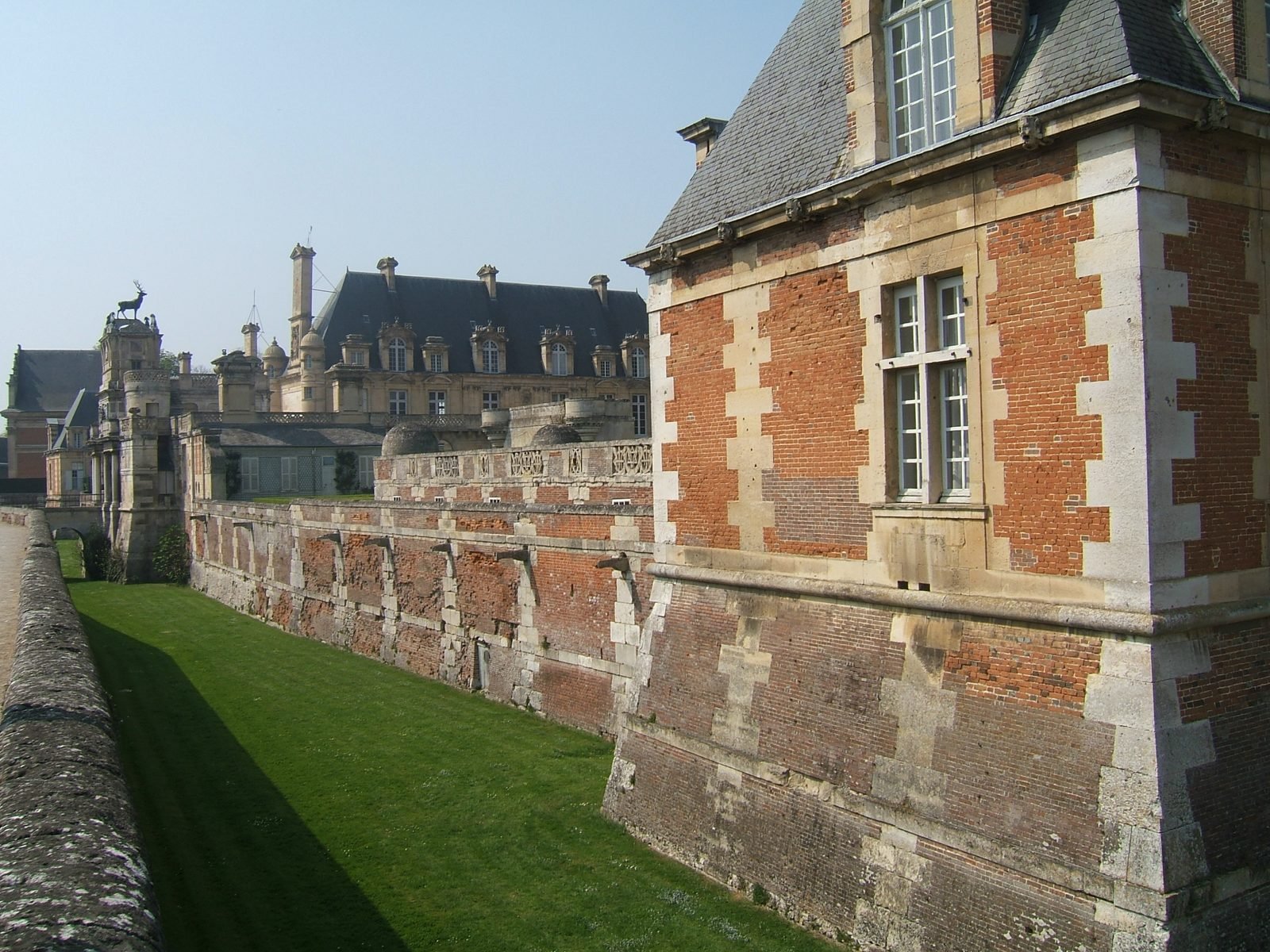
Château d'Anet
Centre-Val de Loire · Eure-et-Loir

Château d'Anet

1547–1552 · French Renaissance at its purest

Built for Diane de Poitiers by Philibert de l'Orme with the treasury of her royal lover Henri II — a manifesto of French Renaissance classicism stamped everywhere with crescents and interlaced initials. Partly demolished after the Revolution, what survives (entrance, chapel, one wing, and Diane's funerary chapel) is of the first importance.

Full profile →
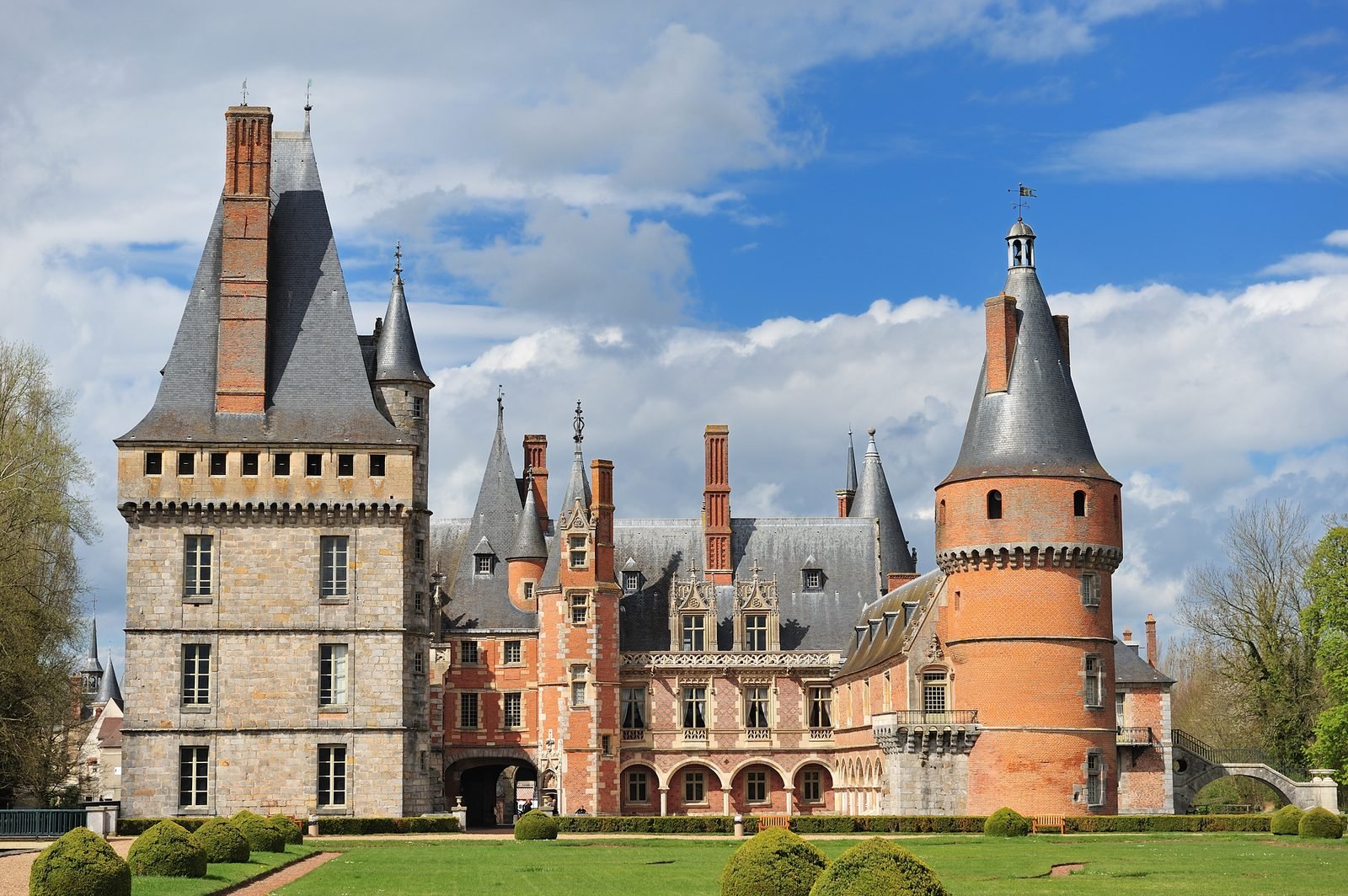
Château de Maintenon
Centre-Val de Loire · Eure-et-Loir

Château de Maintenon

13th–17th centuries · Brick-and-stone château with medieval keep

The château of Françoise d'Aubigné, Madame de Maintenon — governess turned secret wife of Louis XIV. Behind Le Nôtre's parterre, the park frames one of the great follies of the Grand Siècle: the ruined arches of the Canal de l'Eure aqueduct, Vauban's colossal unfinished scheme to send river water to Versailles.

Full profile →
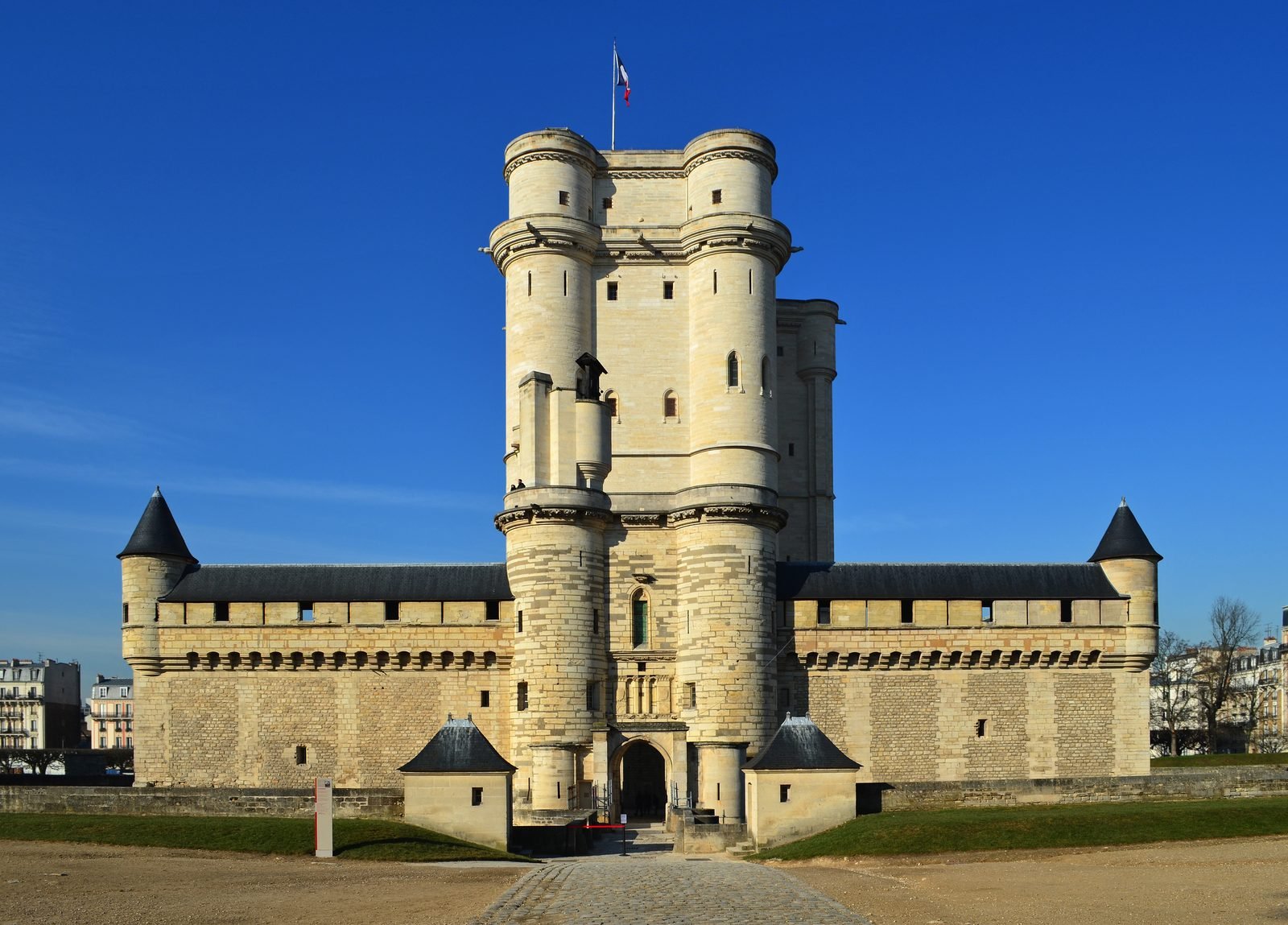
Château de Vincennes
Île-de-France · Val-de-Marne

Château de Vincennes

14th century (keep 1361–1371) · Medieval royal residence-fortress

The tallest surviving medieval fortified keep in Europe — 52 metres — at the heart of the fortress where the kings of France lived before Versailles was dreamt of. Its Sainte-Chapelle rivals the one on the Île de la Cité; its donjon later held Fouquet, Diderot and the Marquis de Sade.

Full profile →
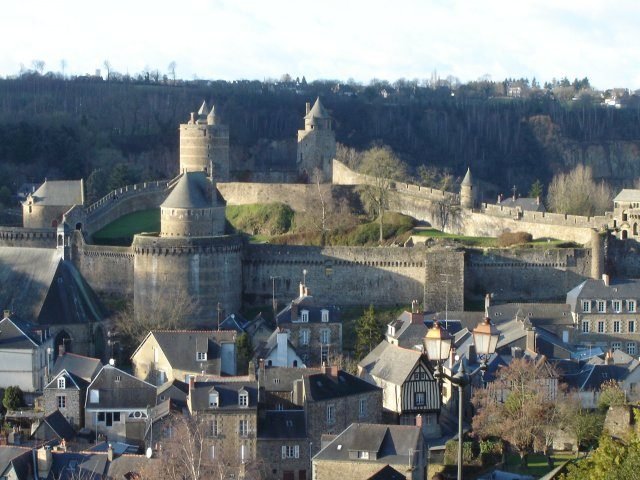
Château de Fougères
Brittany · Ille-et-Vilaine

Château de Fougères

12th–15th centuries · Frontier fortress of the Breton marches

Thirteen towers and two hectares within the walls — one of the largest medieval fortresses in Europe, built low in a bend of the Nançon to guard the marches between Brittany and France. Taken by trickery, retaken, remodelled for artillery: seven centuries of border warfare written in granite.

Full profile →
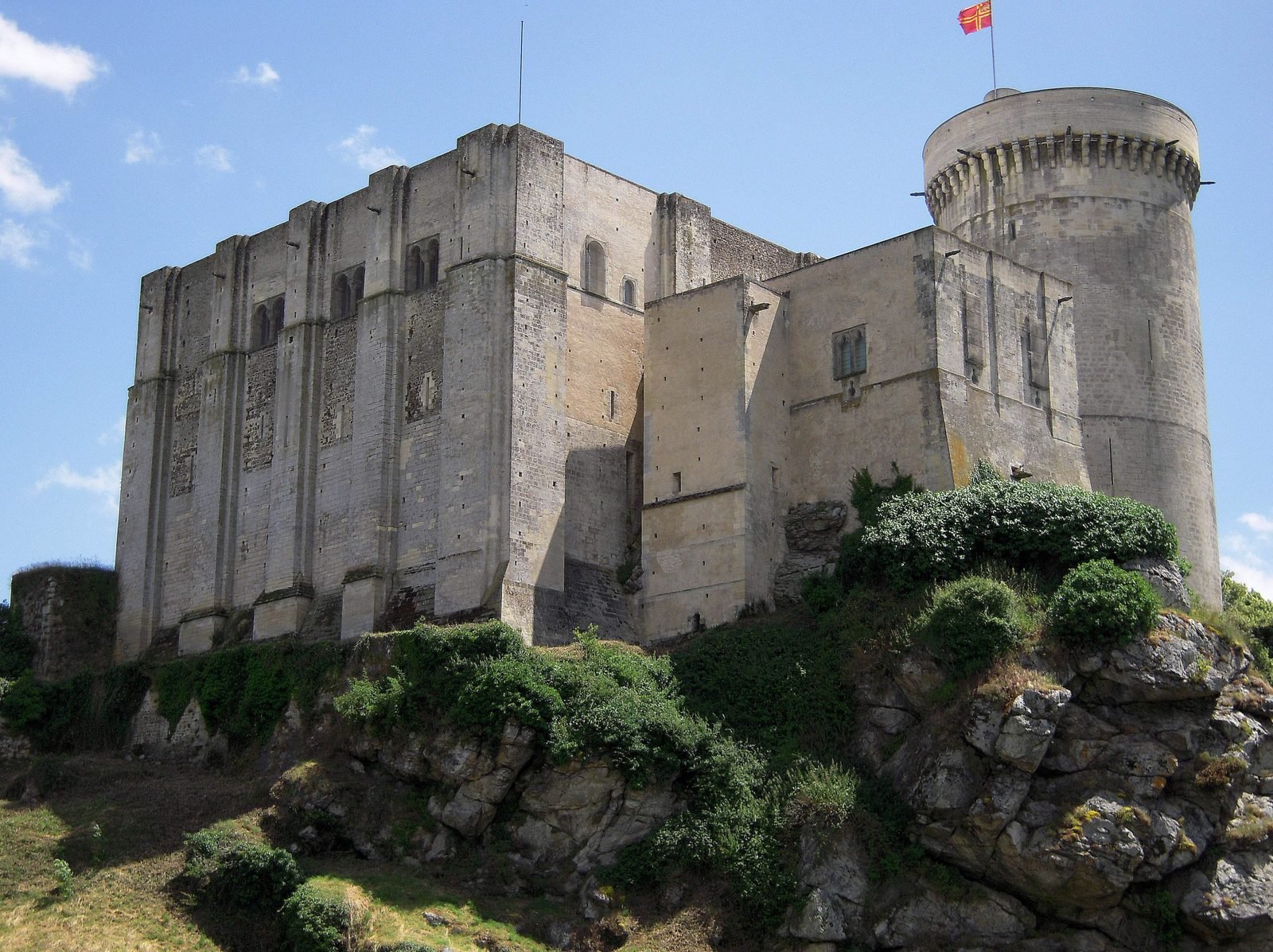
Château de Falaise
Normandy · Calvados

Château de Falaise

12th–13th centuries (keeps) · Anglo-Norman keep ensemble

Birthplace of William the Conqueror (c. 1027) and cradle of the Norman dynasty. The great square keeps raised by his descendants — kings of England — stand beside the round Talbot tower added when Philip Augustus took Normandy for France: the whole Anglo-Norman story in three towers.

Full profile →
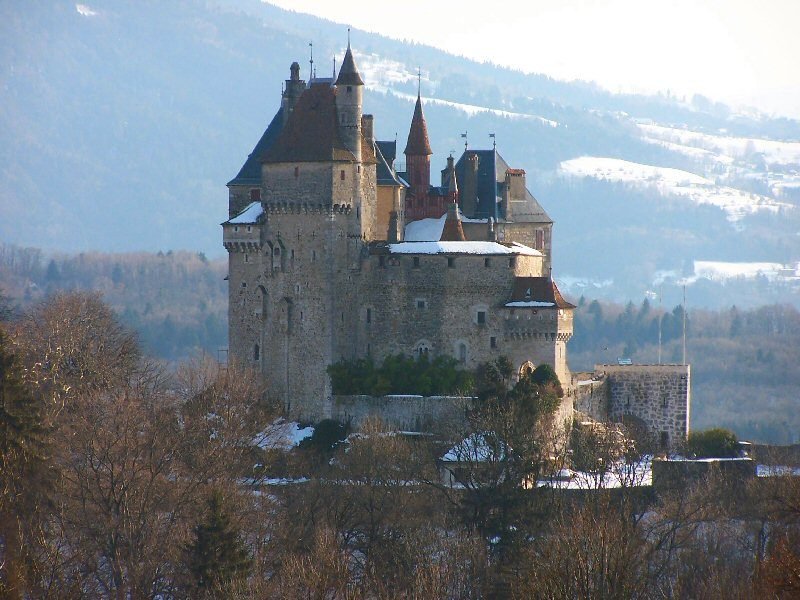
Château de Menthon-Saint-Bernard
Auvergne-Rhône-Alpes · Haute-Savoie

Château de Menthon-Saint-Bernard

12th century onwards · Alpine castle turned romantic residence

A turreted vision above Lake Annecy that has never been sold: the Menthon family has held it for roughly a thousand years across some twenty generations. Birthplace of Saint Bernard of Menthon, patron of mountaineers and namesake of the Alpine passes and their famous dogs.

Full profile →
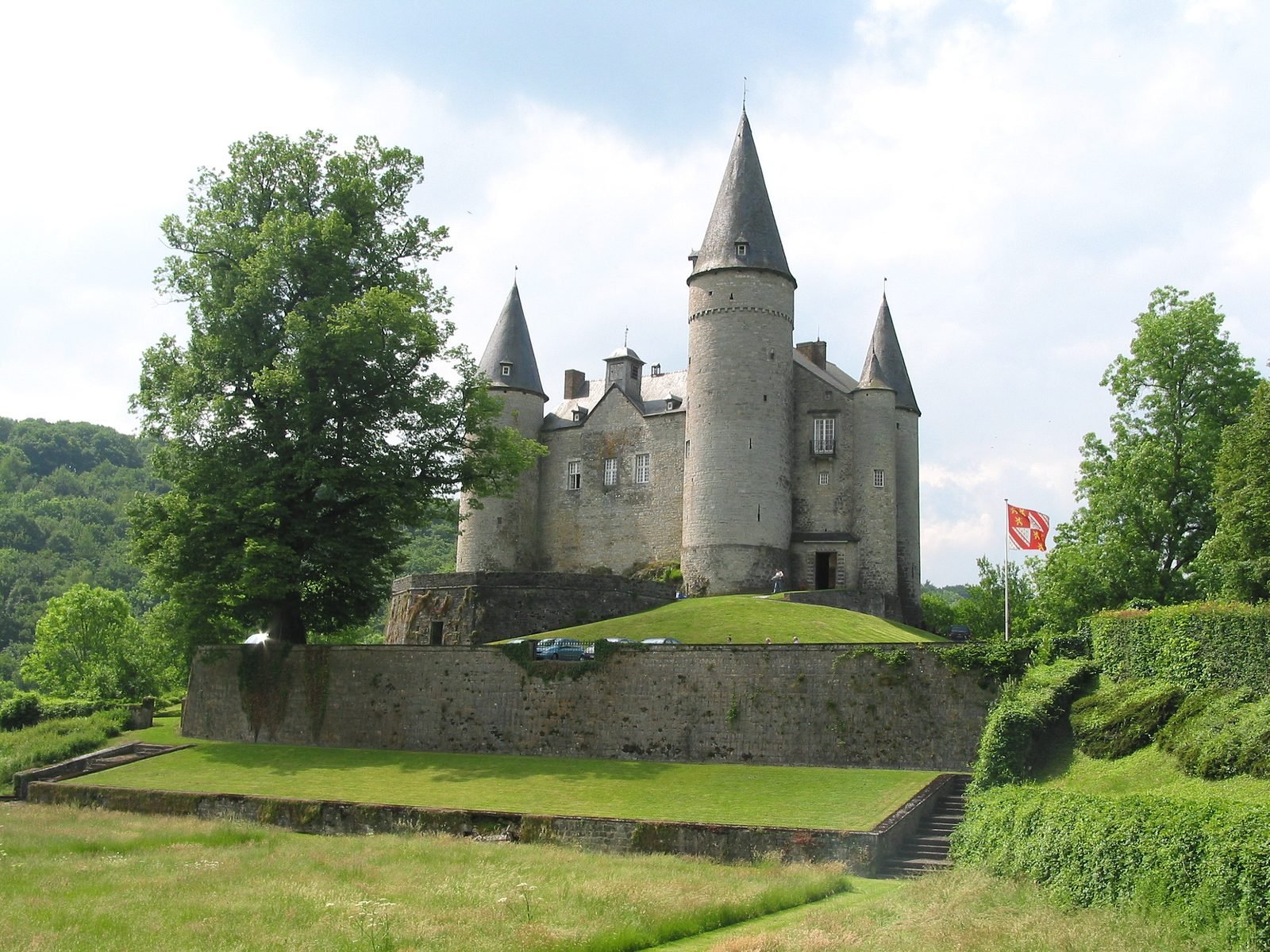
Château de Vêves
Wallonia (Belgium) · Namur

Château de Vêves

15th century (on 13th-century base) · Fairy-tale turreted castle

Five pepper-pot towers on a rocky knoll near Celles — often called Belgium's most beautiful castle, and the very image of the fairy-tale keep. It has passed by inheritance, never by sale, within the Beaufort and Liedekerke-Beaufort line for some seven centuries, and the family still uses it.

Full profile →
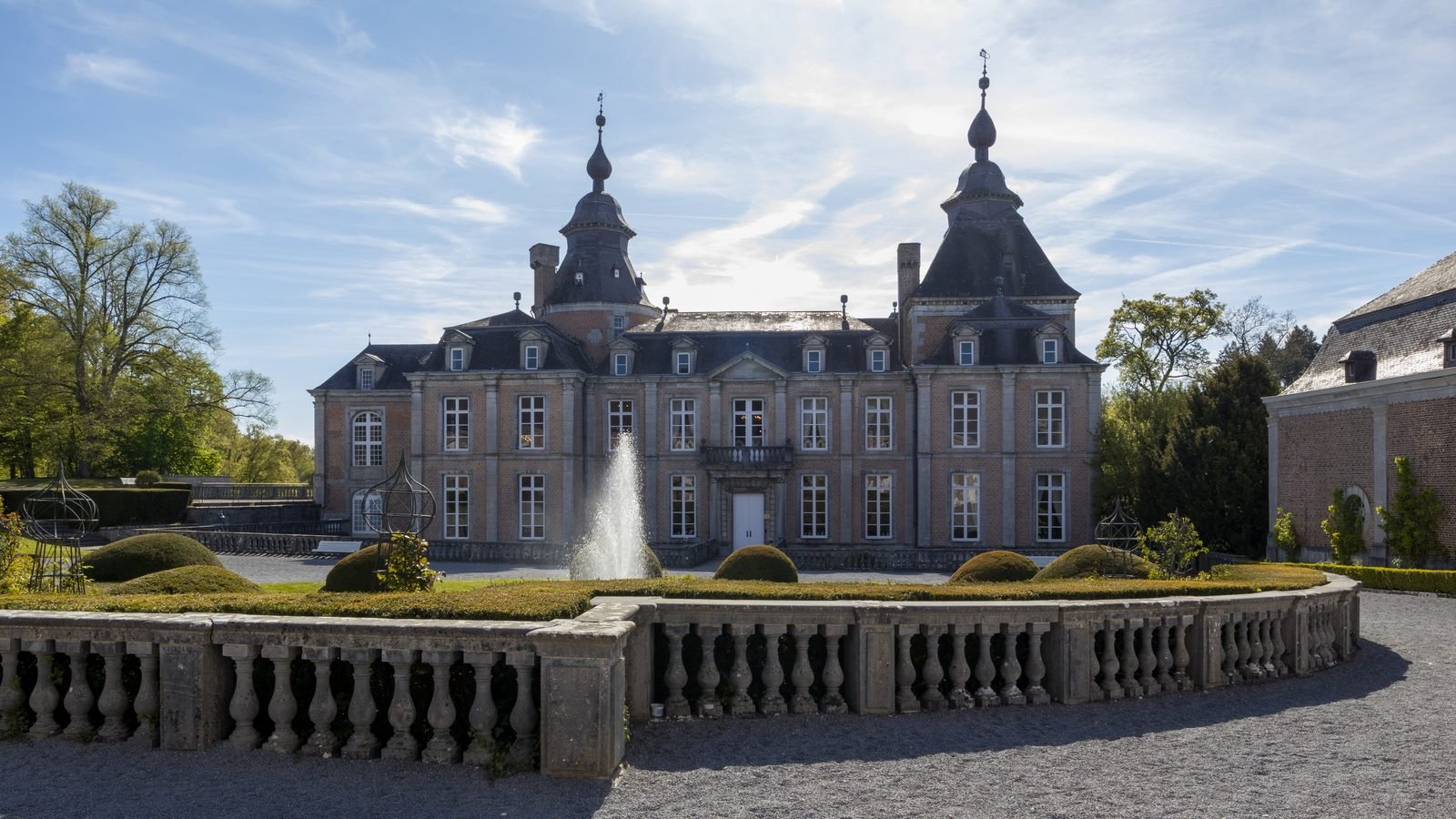
Château de Modave
Wallonia (Belgium) · Liège

Château de Modave

Rebuilt 1650s–1670s · 17th-century château on a cliff

Perched sixty metres above the Hoyoux on a limestone cliff, rebuilt in the grand 17th-century manner with celebrated Hansche stuccoes. Here in 1668 the carpenter Rennequin Sualem built a water-raising wheel to feed the château — the direct prototype of the gigantic Machine de Marly that would water Versailles.

Full profile →
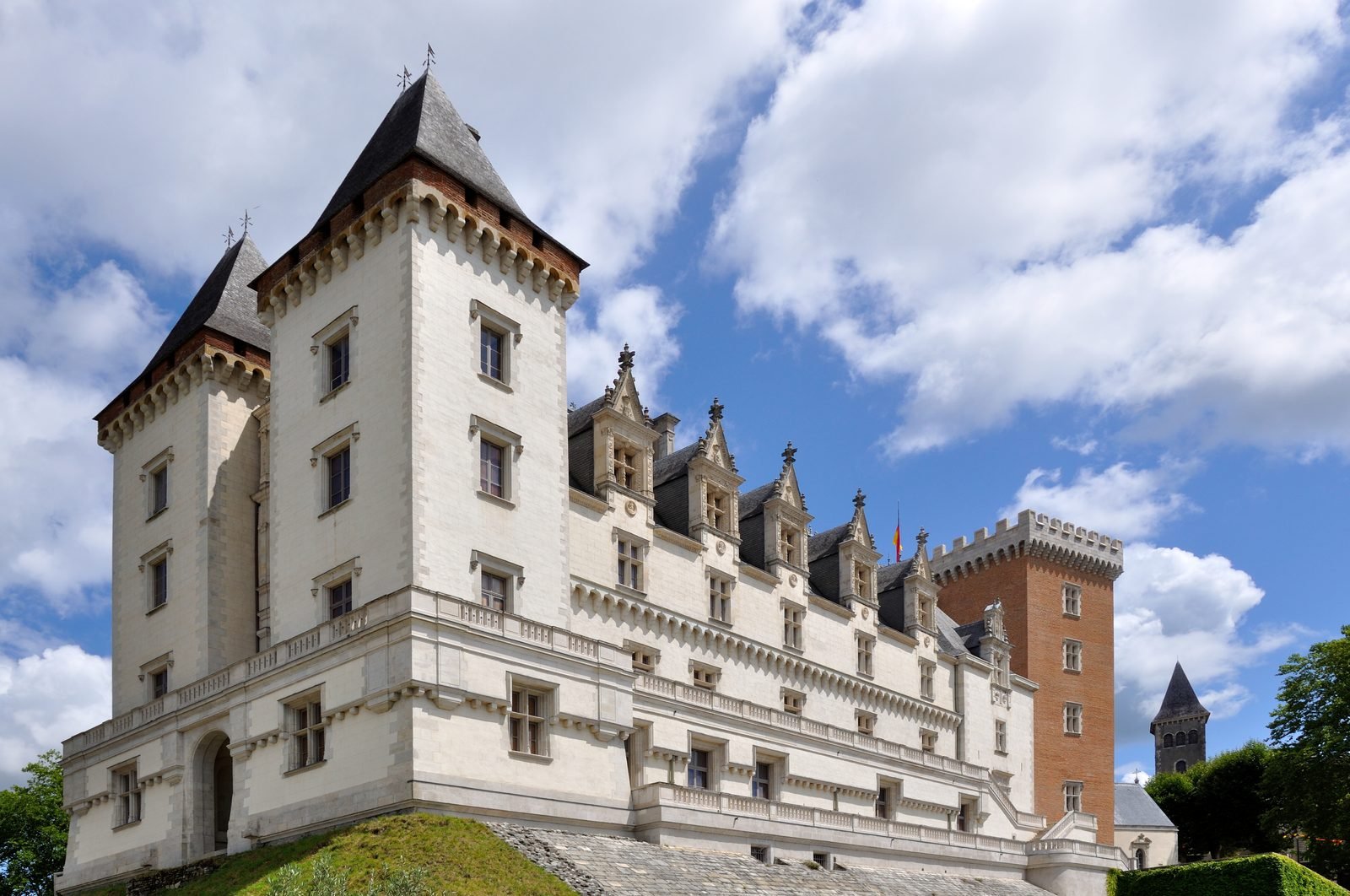
Château de Pau
Nouvelle-Aquitaine · Pyrénées-Atlantiques

Château de Pau

12th–16th centuries; restored 19th c. · Medieval fortress turned Renaissance palace

Birthplace of Henri IV in 1553 — the future king rocked, tradition insists, in a single great turtle shell still shown today. Fortress of Gaston Fébus, palace of the kings of Navarre, restored as a shrine to 'the good king' under Louis-Philippe and Napoleon III, with sweeping views to the Pyrenees.

Full profile →
Château de Bonaguil
Nouvelle-Aquitaine · Lot-et-Garonne

Château de Bonaguil

13th century; transformed 1480–1530 · The last of the great fortified castles

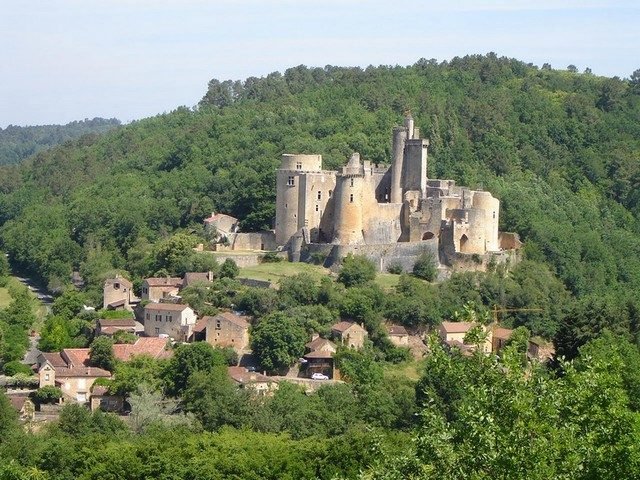
The magnificent anachronism: rebuilt on the eve of the Renaissance as the ultimate medieval fortress — every artillery-age defence bolted onto chivalric architecture — by the proud and litigious Bérenger de Roquefeuil. It was never once attacked. Perfect, and perfectly useless, it survives almost intact.

Full profile →
Château de Montbrun
Nouvelle-Aquitaine · Haute-Vienne

Château de Montbrun

12th century; rebuilt 15th century · Medieval castle with water mirror

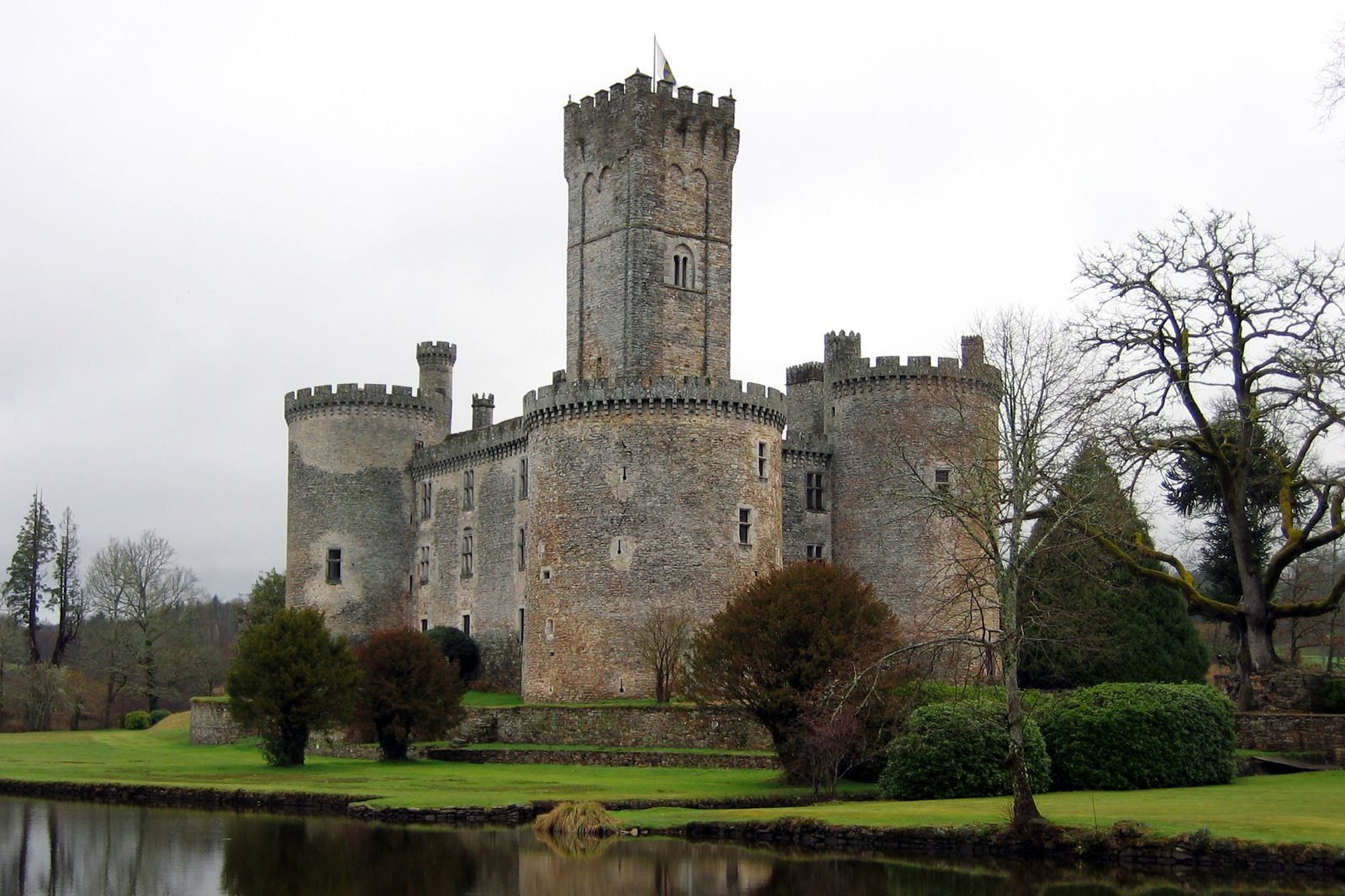
A textbook medieval silhouette doubled in its own moat-lake at Dournazac, in the chestnut country of the Périgord-Limousin park — emphatically not the Loire Valley, whatever the internet keeps repeating. Crusader-era origins, a 12th-century keep, and a 15th-century rebuild after the Hundred Years' War.

Full profile →
Château de la Bretesche
Pays de la Loire · Loire-Atlantique

Château de la Bretesche

15th century; rebuilt 19th century · Moated Breton-marches castle

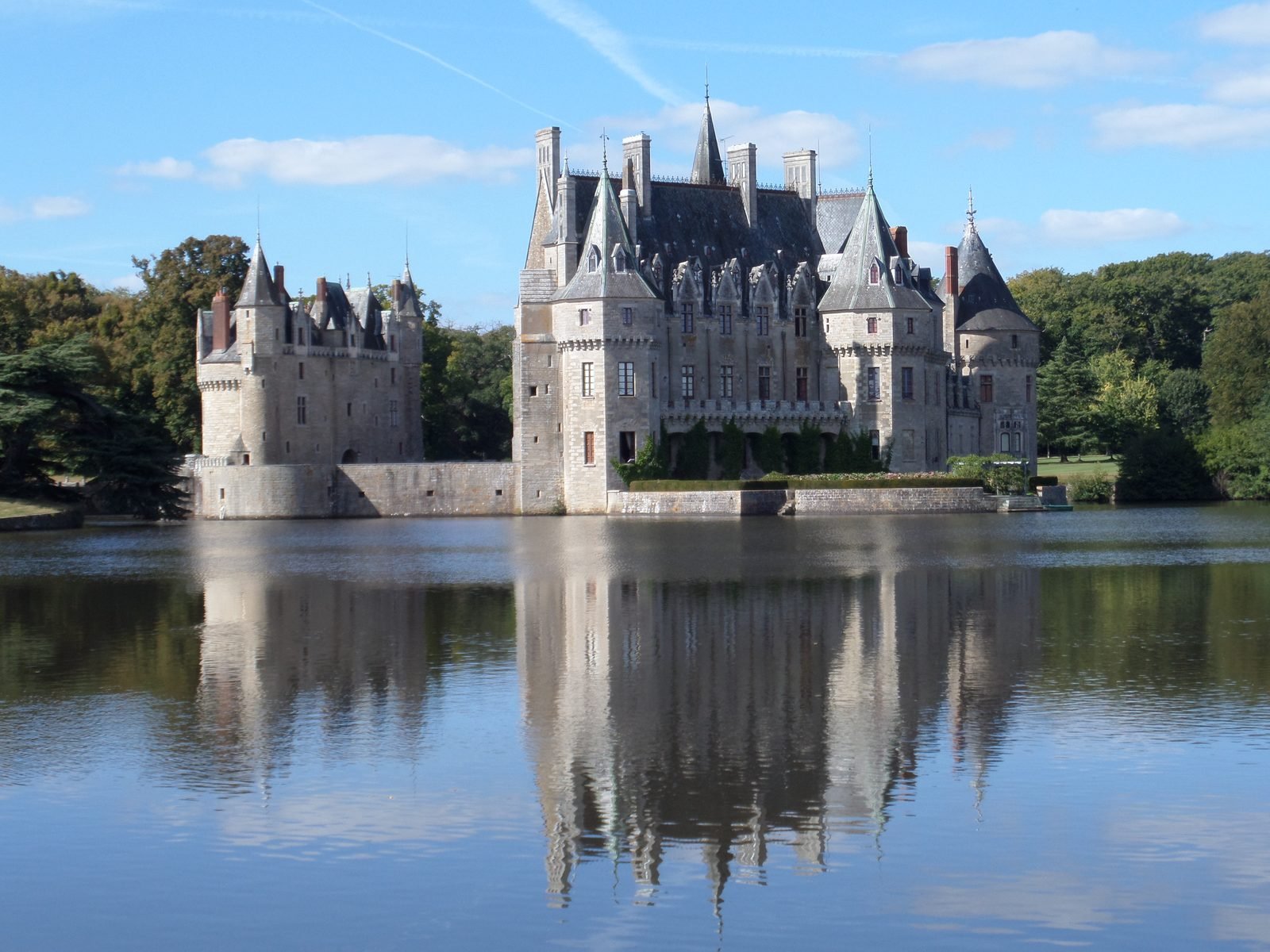
White stone doubled in a broad lake on the edge of the Brière marshes at Missillac — the château the old blog post mislaid in the Loire Valley. Burned in the Revolution and rebuilt in the 19th century, its outbuildings are now a celebrated hotel and golf resort while the château itself remains private.

Full profile →
Cité Royale de Loches
Centre-Val de Loire · Indre-et-Loire

Cité Royale de Loches

Keep c. 1013–1035; royal logis 14th–16th c. · Romanesque keep and royal residence

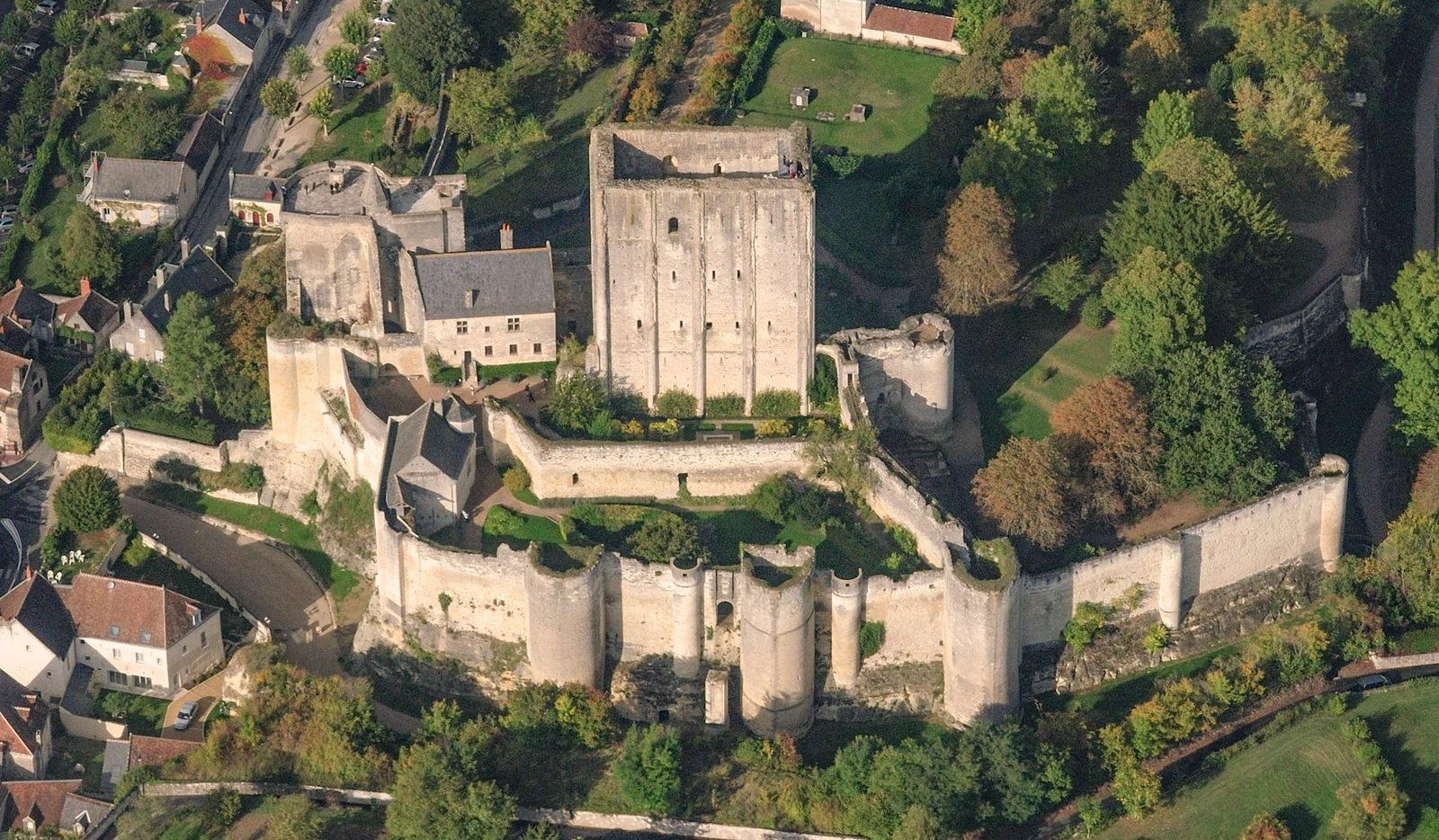
A thousand years on one spur: Foulques Nerra's colossal Romanesque keep — among the oldest standing in Europe — beside the royal logis where Joan of Arc pressed Charles VII to ride to Reims and be crowned (June 1429), and where Agnès Sorel, the first official royal mistress, lived and lies buried.

Full profile →
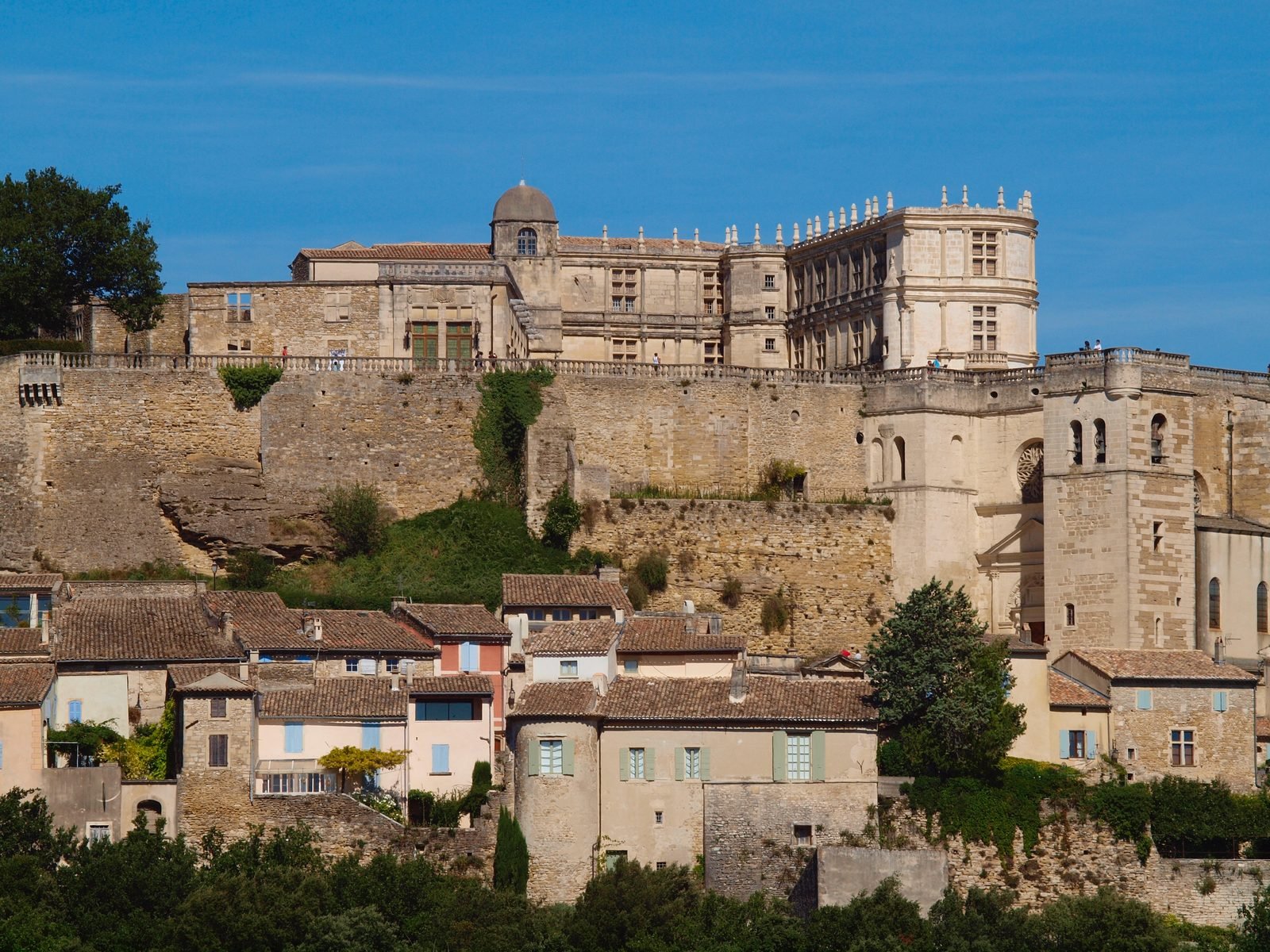
Château de Grignan
Auvergne-Rhône-Alpes · Drôme

Château de Grignan

11th century; Renaissance rebuilding 16th c. · Renaissance palace over a Provençal village

The great Renaissance palace of Provence's borders, riding its village like a ship — immortalised by Madame de Sévigné, whose incomparable letters flowed to her daughter, the Countess of Grignan, for a quarter of a century. She died here in 1696 and is buried in the collegiate church below the terrace.

Full profile →
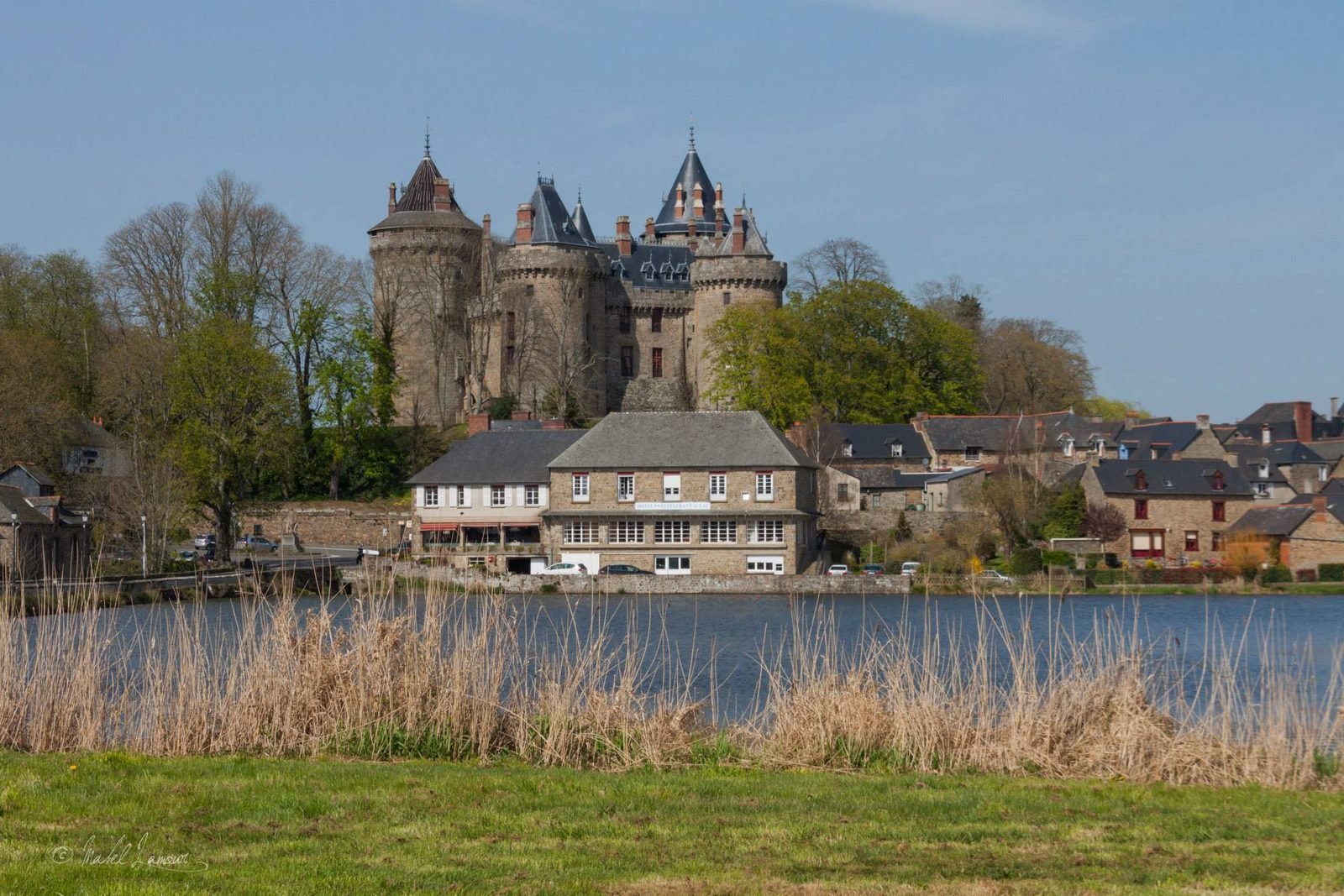
Château de Combourg
Brittany · Ille-et-Vilaine

Château de Combourg

12th–15th centuries · Breton feudal castle

The cradle of Romanticism, by its most famous inhabitant's own account: François-René de Chateaubriand spent his brooding adolescence here, sleeping alone in the Cat Tower, and made Combourg's silences the opening of the Mémoires d'outre-tombe. Still owned by his descendants.

Full profile →
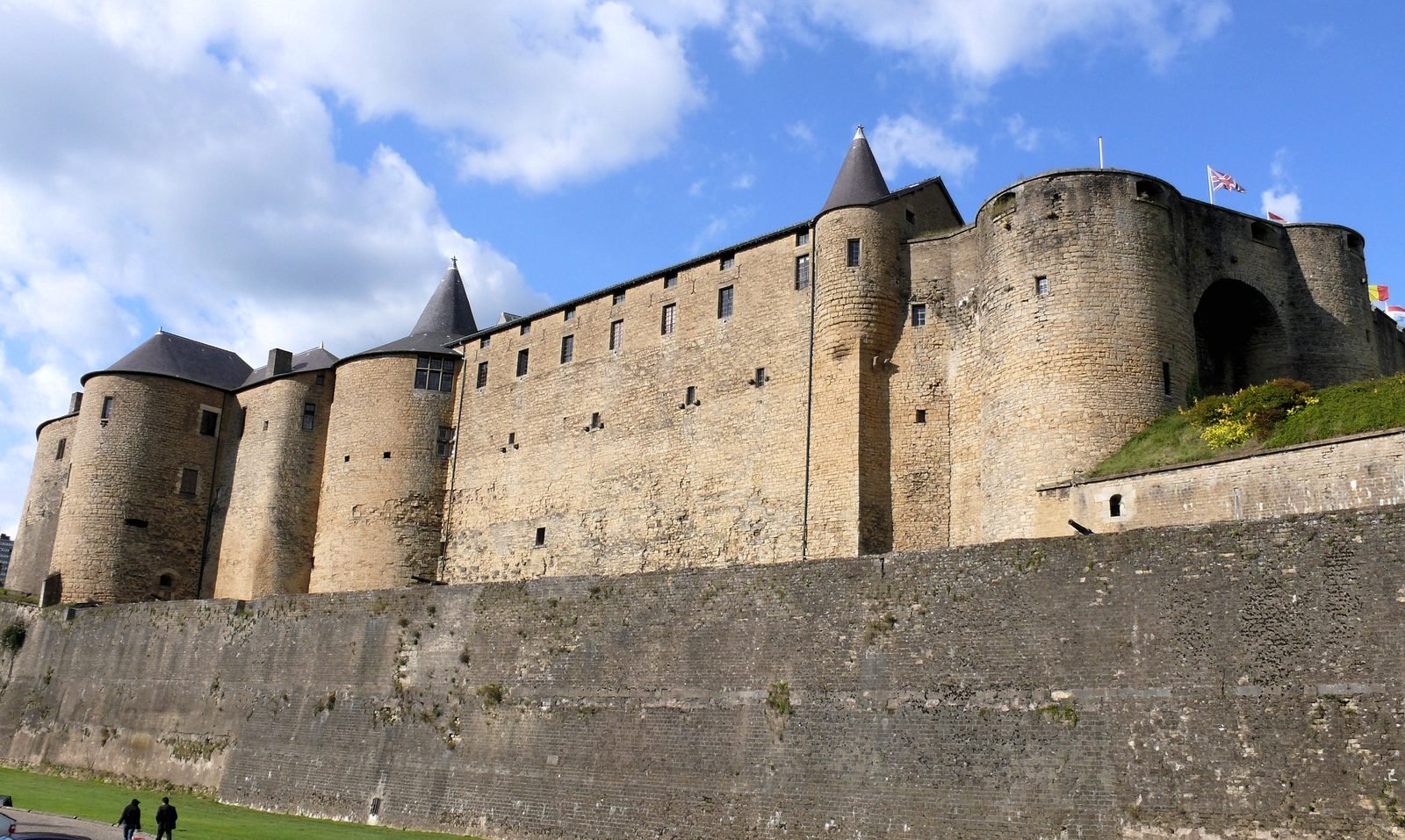
Château Fort de Sedan
Grand Est · Ardennes

Château Fort de Sedan

1424 onwards · Bastioned medieval fortress

A mountain of masonry on the Meuse frontier — with some 35,000 m² on seven levels, it claims the title of the largest fortified castle in Europe. Seat of the independent Principality of Sedan until 1642, birthplace of the great Turenne, and a garrison right up to the 20th century.

Full profile →
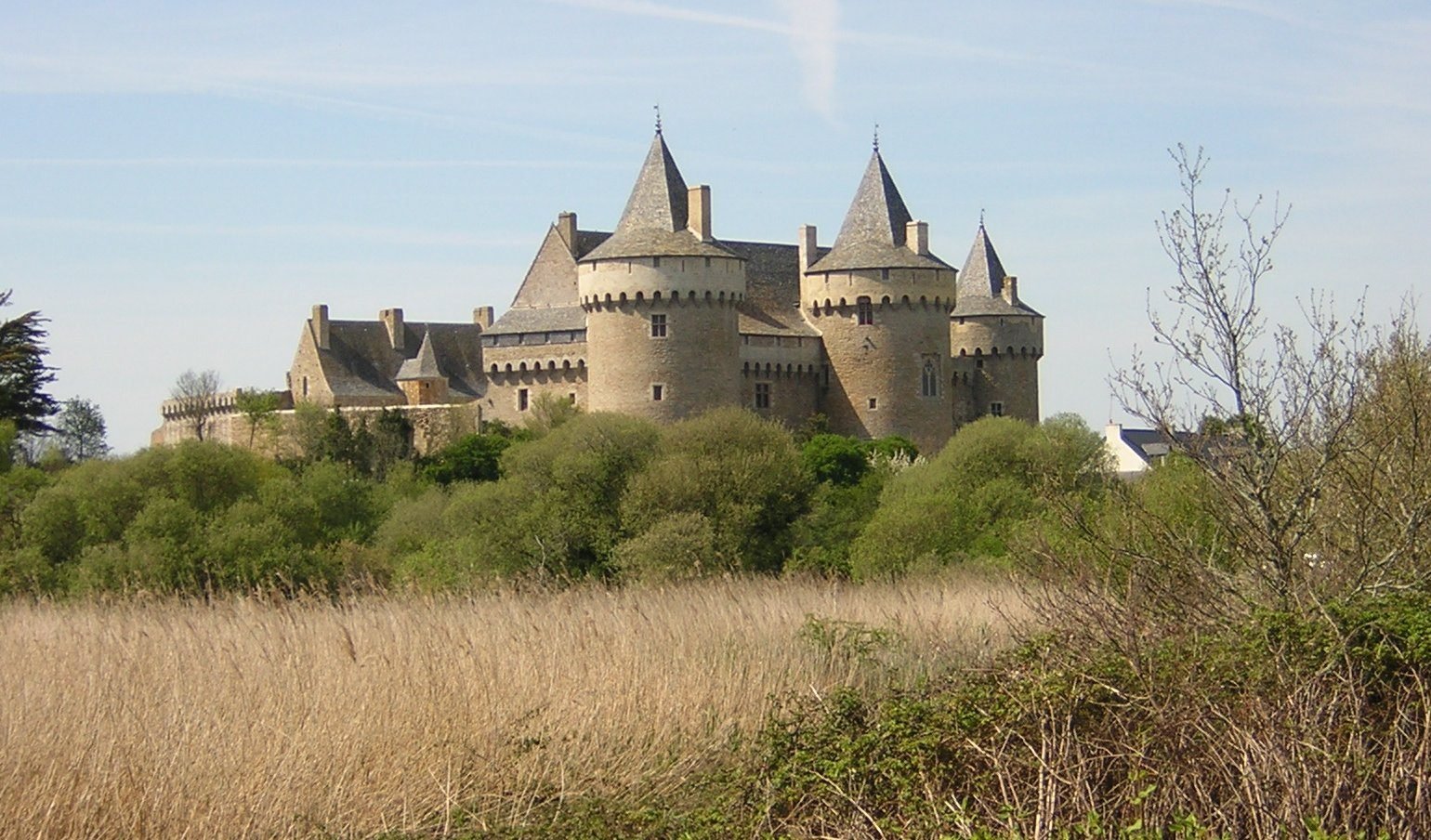
Château de Suscinio
Brittany · Morbihan

Château de Suscinio

13th–15th centuries · Ducal residence by the ocean

The Dukes of Brittany's seaside retreat on the Rhuys peninsula — a moated castle a few dunes from the Atlantic, built for hunting, feasting and salt-marsh air rather than war. Restored from a roofless shell by the Morbihan department, famous for its rediscovered medieval glazed floor tiles.

Full profile →
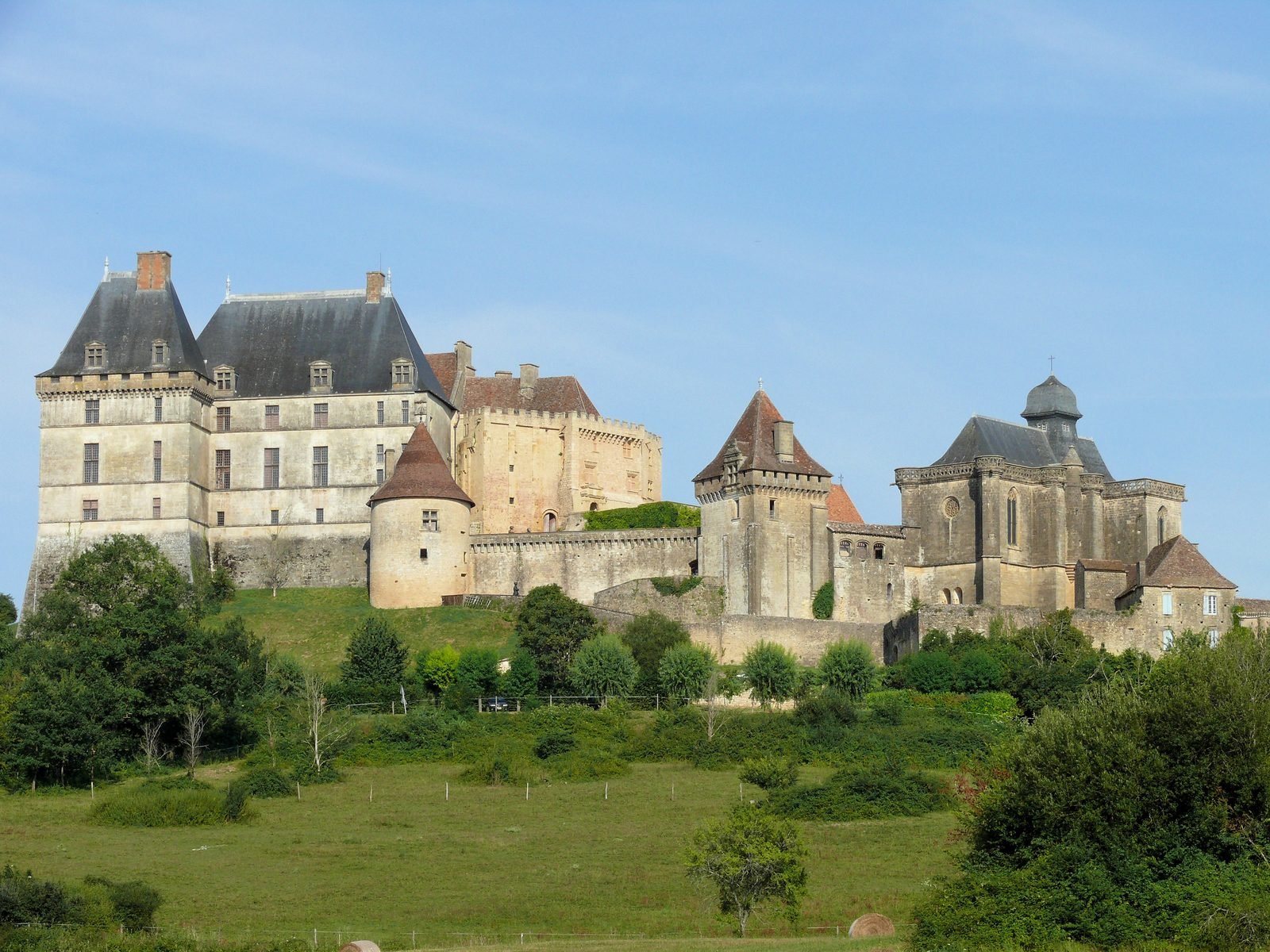
Château de Biron
Nouvelle-Aquitaine · Dordogne

Château de Biron

12th–18th centuries · Eight centuries of styles on one hill

One of the four baronies of Périgord, held by the Gontaut-Biron family for a scarcely believable eight hundred years — every century adding its wing, from crusader keep to Renaissance chapel to classical apartments. The result is a whole history of French architecture piled on a single Dordogne hilltop.

Full profile →
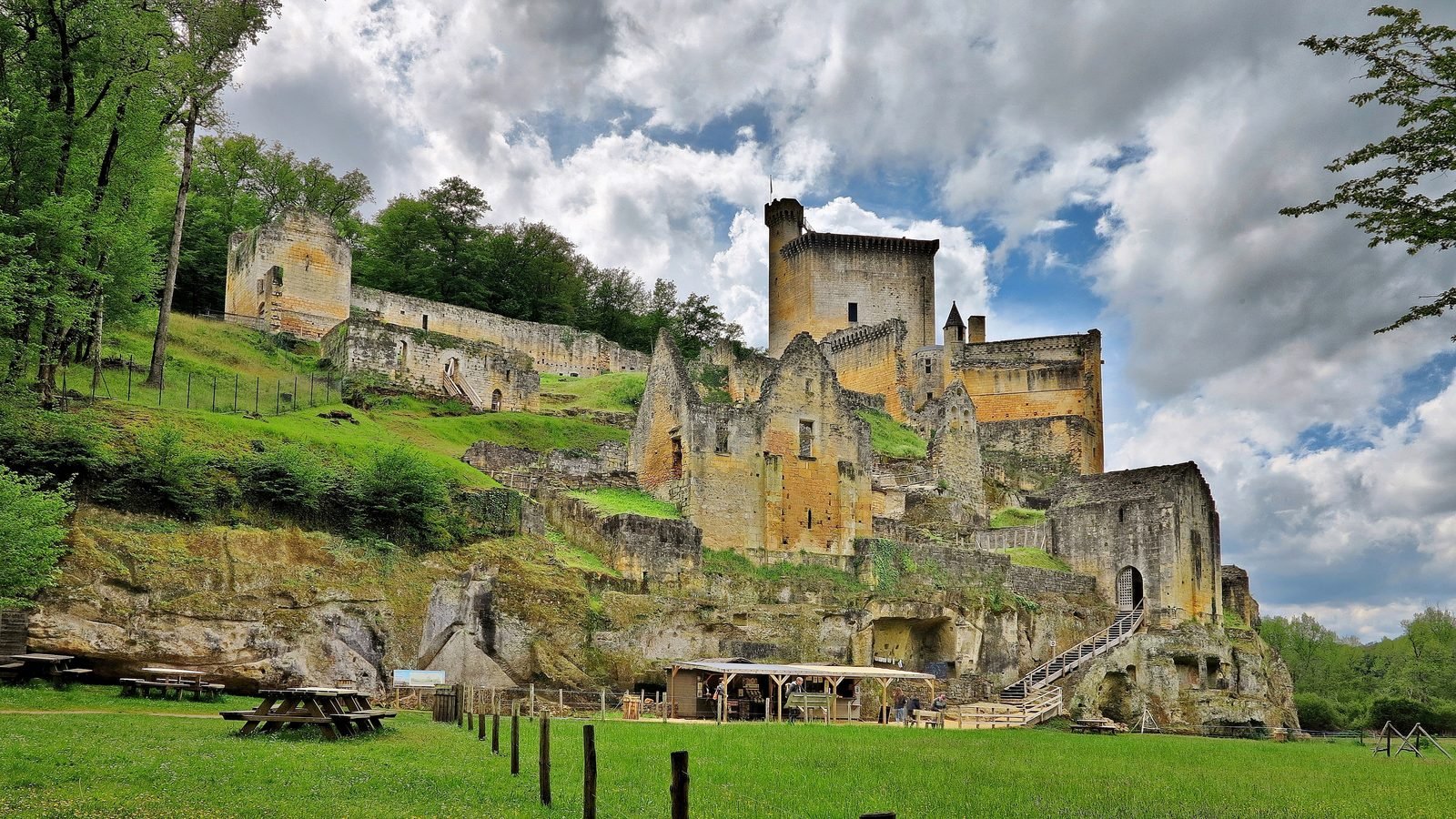
Château de Commarque
Nouvelle-Aquitaine · Dordogne

Château de Commarque

12th–14th centuries (over prehistoric site) · 'Forgotten fortress' castrum

The 'forgotten fortress' of the Beune valley: a whole medieval village-castle swallowed by forest for four centuries, being patiently uncovered since 1968 by Hubert de Commarque, descendant of its founders. Beneath the keep, a prehistoric cave with carved horses — 15,000 years of occupation on one rock.

Full profile →
Centre-Val de Loire · Indre

Château de Lalande

16th century onwards · Country château of the Berry–Limousin borders

The 40-room château in the quiet Berry countryside that became one of the internet's most beloved homes: bought in 2005 by Stephanie Jarvis and her friends for the price of two London flats, and restored on camera ever since as The Chateau Diaries — funded by viewers, patrons and paying guests rather than fortune.

Full profile →
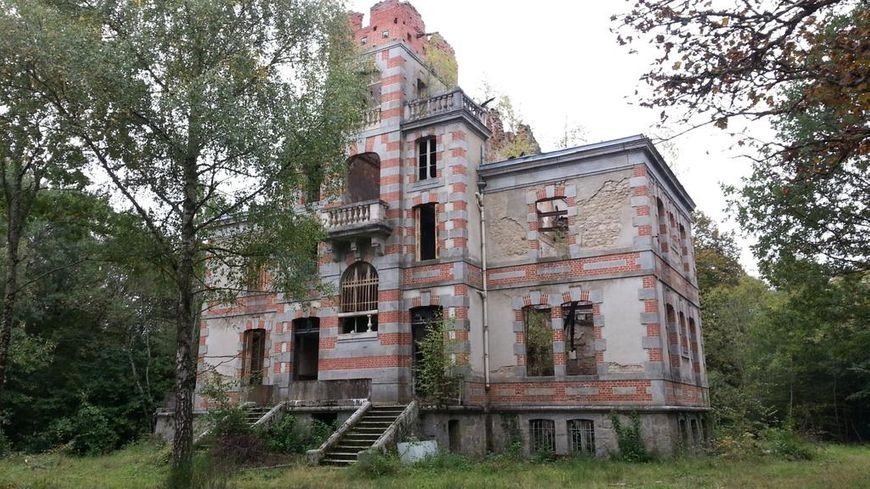
Château de Chaumont (Creuse), photographed in 2019 before the current restoration
Nouvelle-Aquitaine · Creuse

Château de Chaumont (Creuse)

1886 · 19th-century château, under rebirth

Built in 1886 for an opera singer, wartime sanctuary where the OSE sheltered more than two hundred Jewish refugee children, gutted by fire in the 1980s — and since 2022 the one-man rebuild of Dan Preston, whose Escape to Rural France channel documents every beam of its resurrection.

Full profile →
Normandy · Orne

Château de Lalacelle

18th–19th centuries (estate origins older) · Normandy country château

Abandoned for forty years near Alençon until a family from north-east England bought it in 2020 and set about waking it — the Escape To The Dream channel chronicles the work, and the château now welcomes its first guests. Twenty-one acres, a cottage, and a second life.

Full profile →
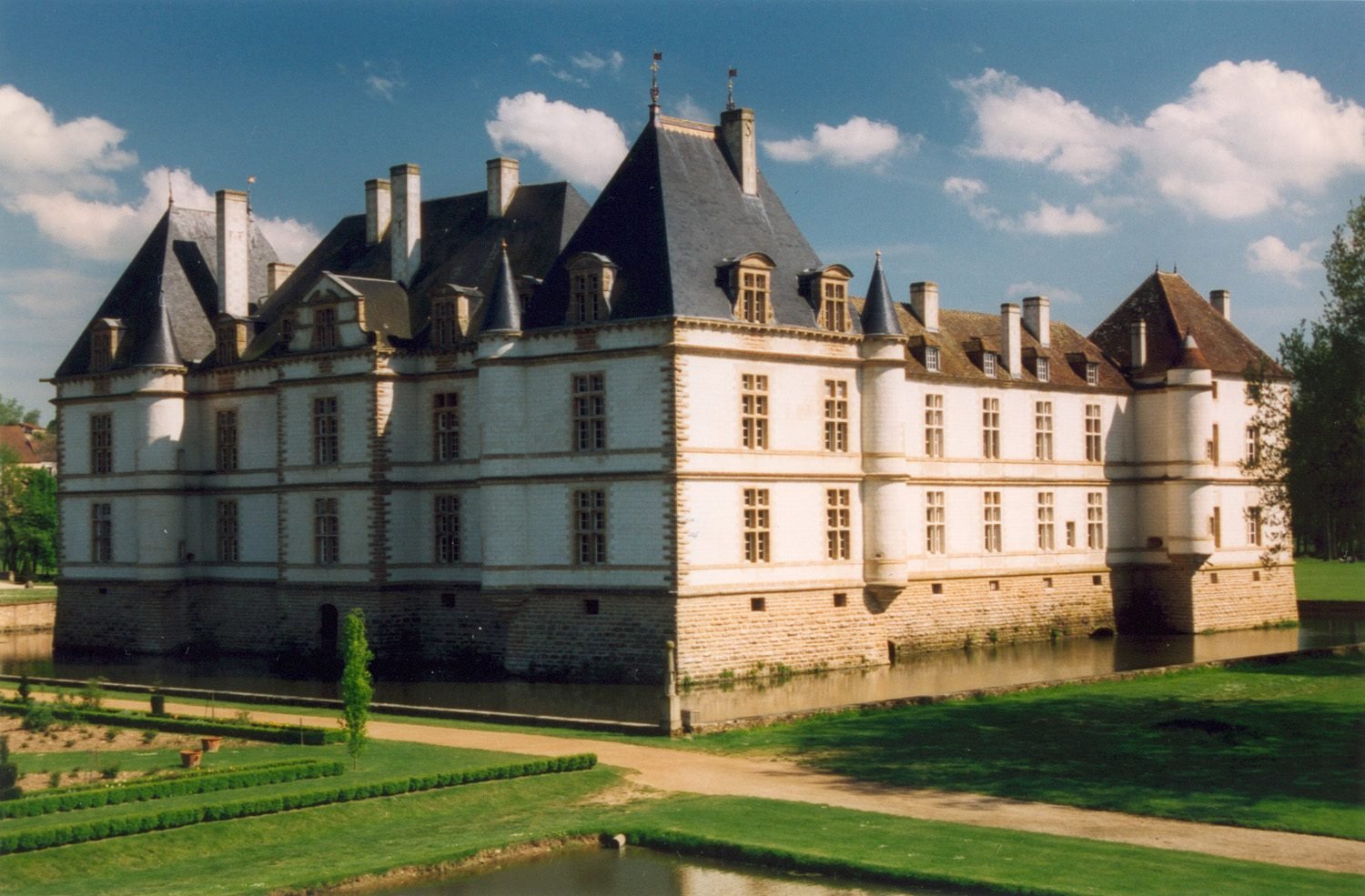
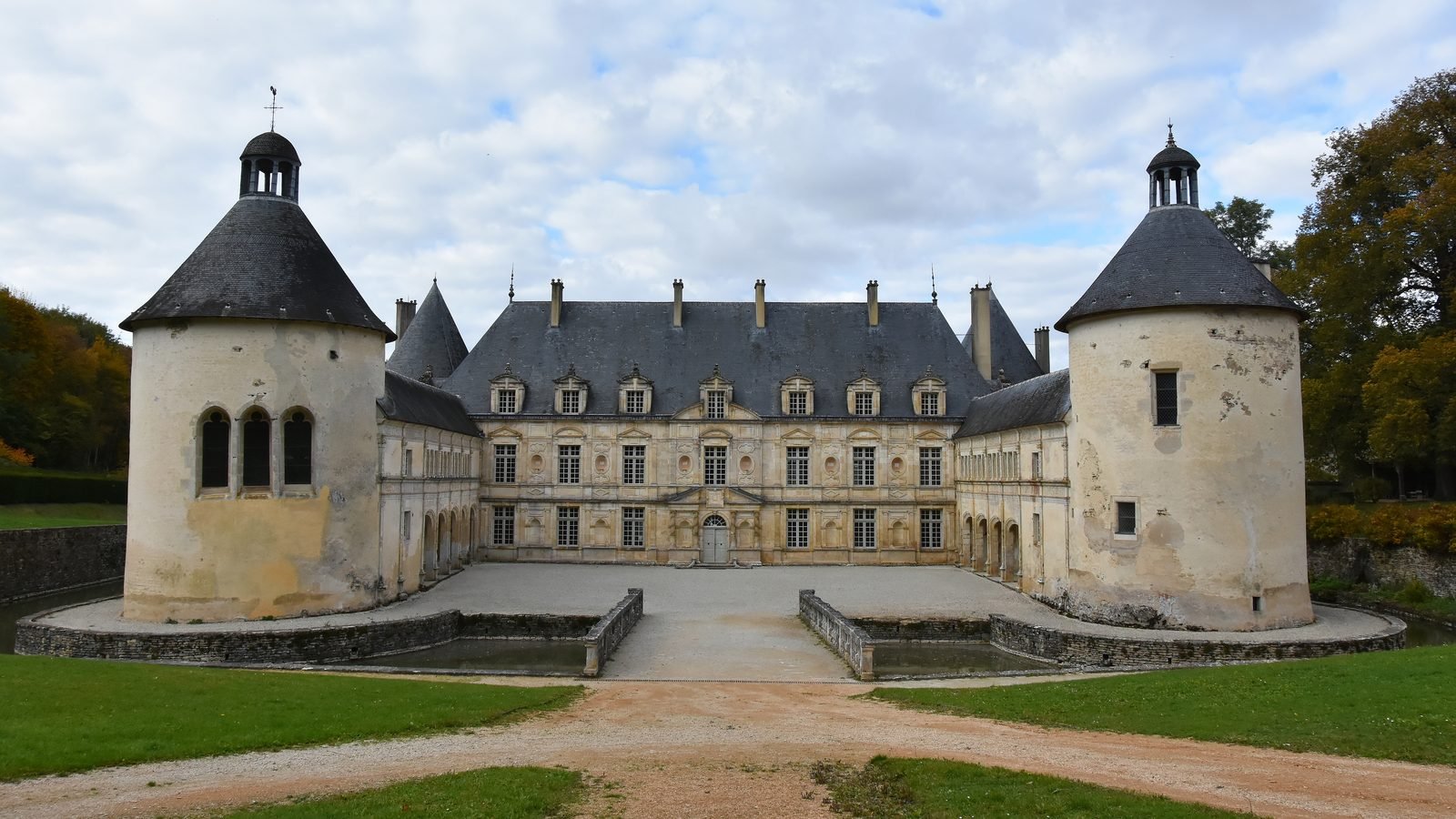
Château de Cormatin
Bourgogne-Franche-Comté · Saône-et-Loire

Château de Cormatin

1605–1625 · Louis XIII château with painted apartments

Behind a sober moated exterior in southern Burgundy hide the most sumptuous Louis XIII interiors in France — gilded, lapis-blue painted apartments of the 1620s that somehow survived every fashion since. The vast open-well staircase was among the most daring of its day.

Full profile →
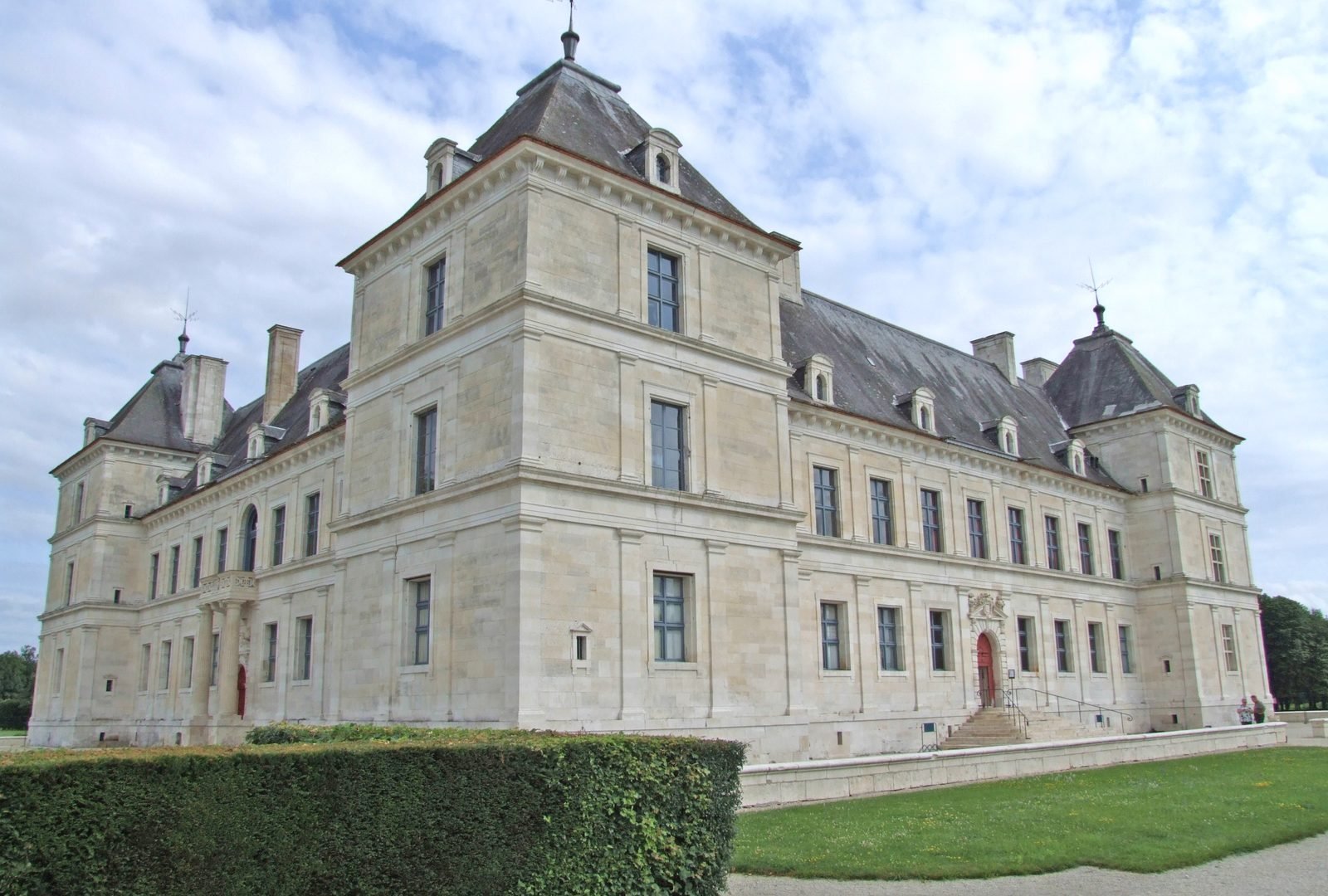
Château d'Ancy-le-Franc
Bourgogne-Franche-Comté · Yonne

Château d'Ancy-le-Franc

1542–1550 · Italian Renaissance palace

The purest Italian Renaissance palace in France — designed by Sebastiano Serlio, theorist of architecture to Francis I, as a perfect square around a courtyard of rhythmic pilasters. Within: one of the largest ensembles of 16th-century murals in France, by artists of the Fontainebleau school.

Full profile →
Château de Bussy-Rabutin
Bourgogne-Franche-Comté · Côte-d'Or

Château de Bussy-Rabutin

12th–17th centuries · Renaissance château of a witty exile

The revenge of a banished wit: Roger de Bussy-Rabutin — cousin and correspondent of Madame de Sévigné, exiled by Louis XIV for his scandalous Histoire amoureuse des Gaules — spent his disgrace covering the walls with portrait galleries and barbed painted mottoes aimed at the court that cast him out.

Full profile →
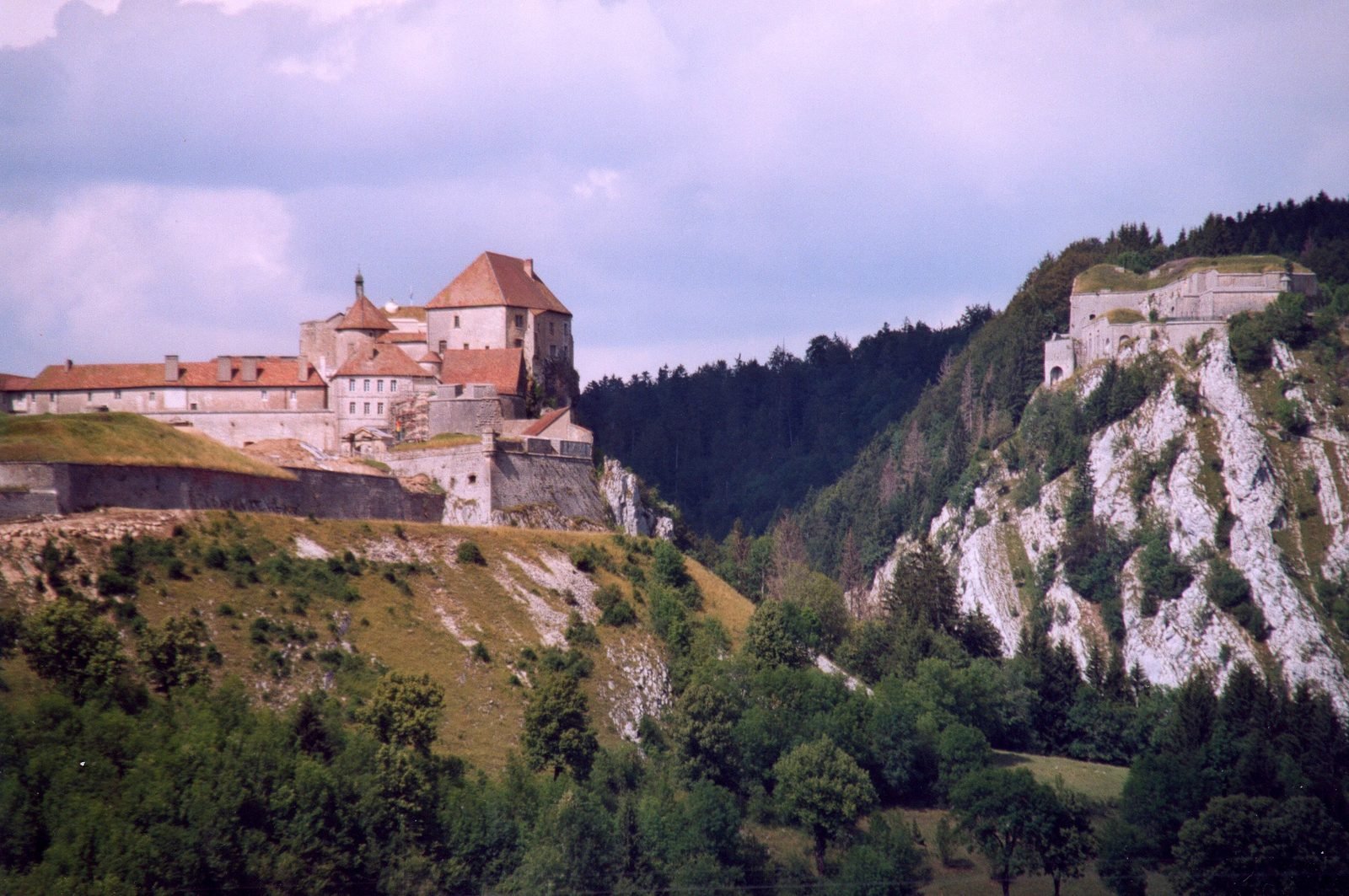
Château de Joux
Bourgogne-Franche-Comté · Doubs

Château de Joux

11th century onwards; Vauban works 17th c. · Mountain fortress of five enclosures

A fortress stacked on a Jura crag above the cluse de Pontarlier, guarding the road to Switzerland for a thousand years. Vauban modernised it; its cells held Mirabeau — and Toussaint Louverture, hero of the Haitian Revolution, who died a prisoner here in the mountain cold of April 1803.

Full profile →
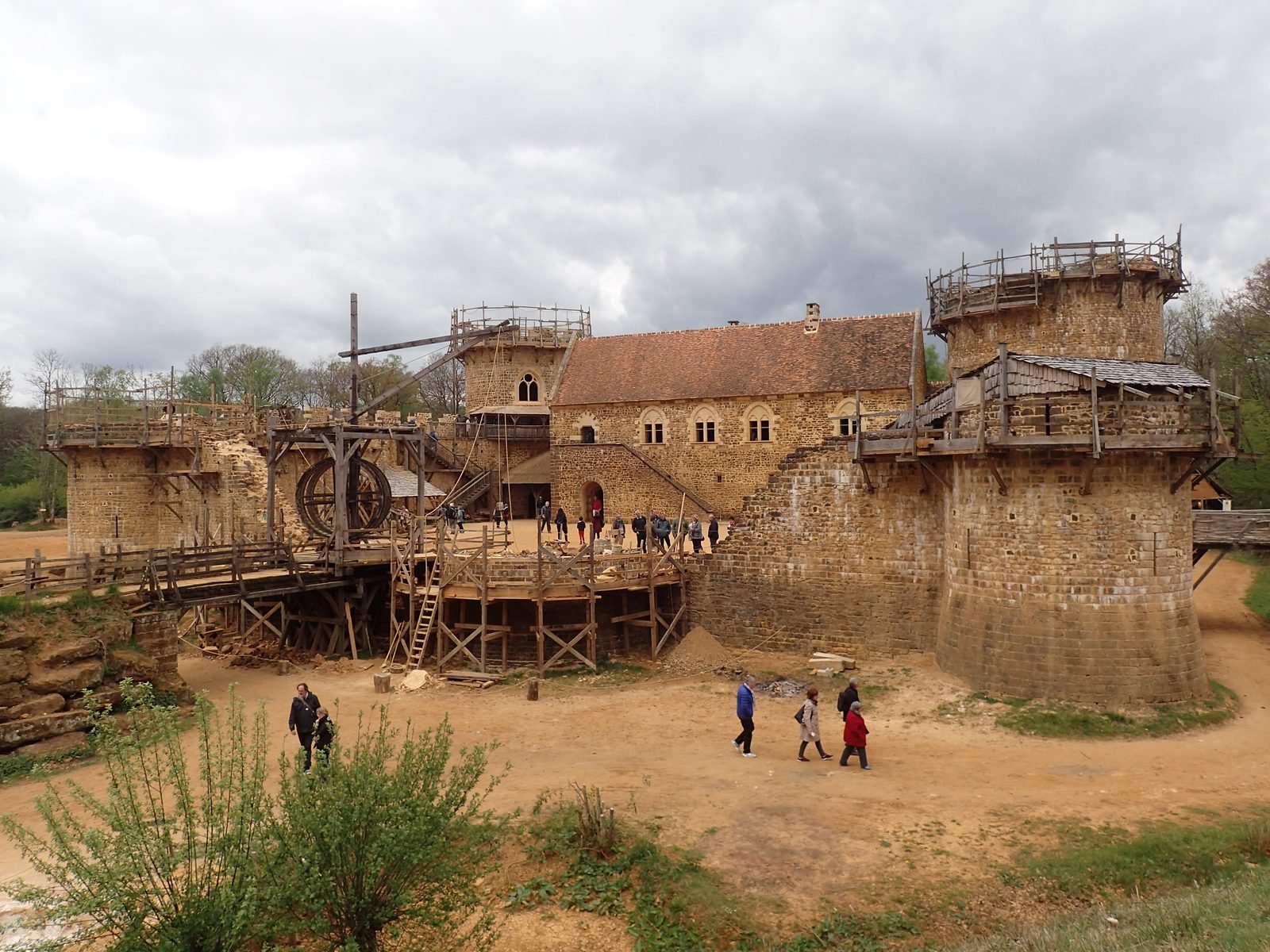
Guédelon
Bourgogne-Franche-Comté · Yonne

Guédelon

Begun 1997 — still rising · 13th-century castle, built today

The castle being built from scratch, right now, with 13th-century tools and techniques: begun in 1997 in a former quarry, Guédelon is the world's largest experimental-archaeology site, where quarriers, masons, carpenters and rope-makers raise a Philip-Augustus-style castle before your eyes. Restorers of real châteaux come here to learn how it was actually done.

Full profile →
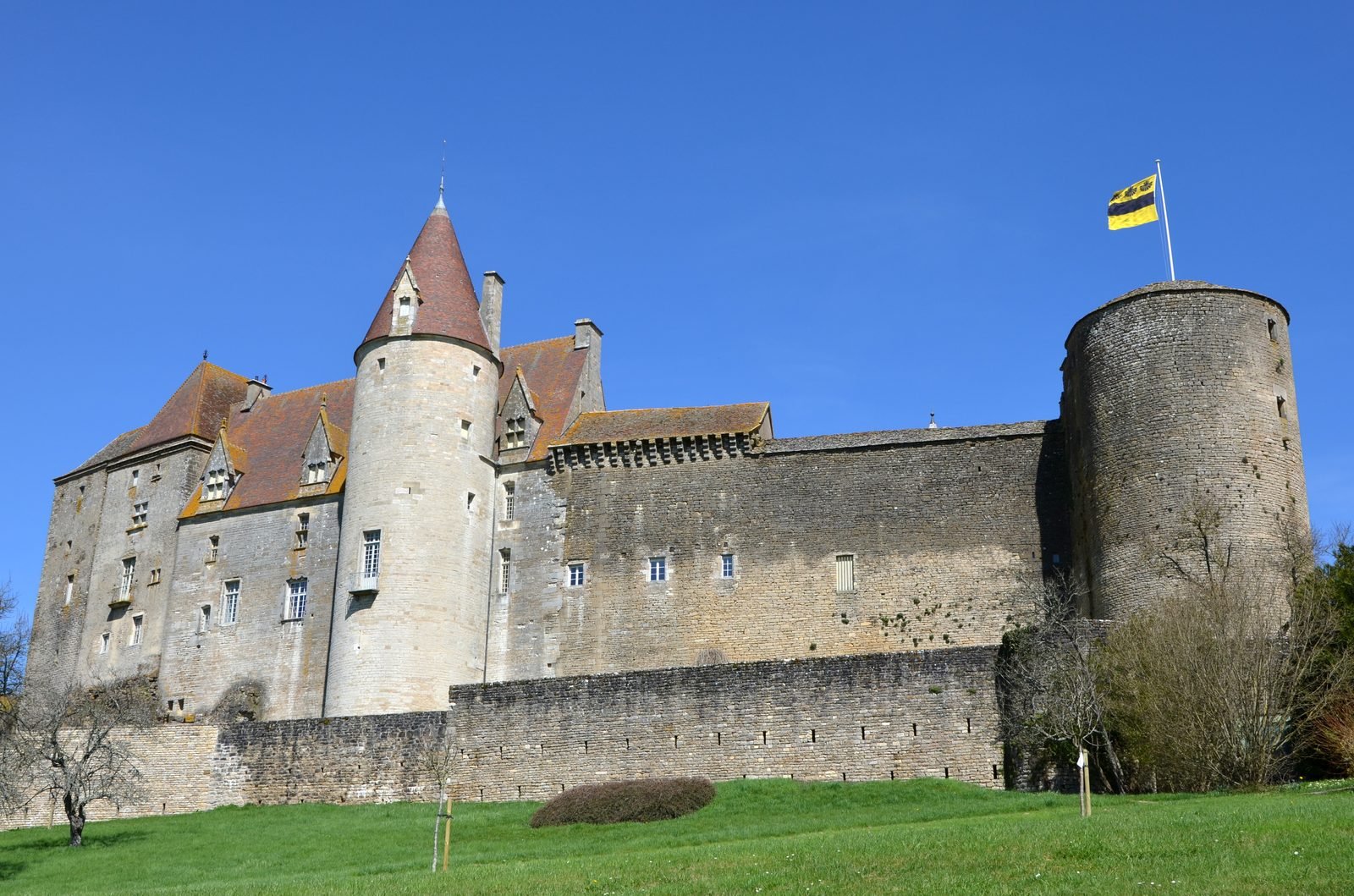
Château de Châteauneuf-en-Auxois
Bourgogne-Franche-Comté · Côte-d'Or

Château de Châteauneuf-en-Auxois

12th–15th centuries · Burgundian ducal-era fortress

The great fortress of the Auxois, glowering over the Burgundy Canal from its hilltop village — one of the 'most beautiful villages of France'. Rebuilt in Flamboyant taste by Philippe Pot, Grand Seneschal of Burgundy, whose famous tomb of hooded mourners now stands in the Louvre.

Full profile →
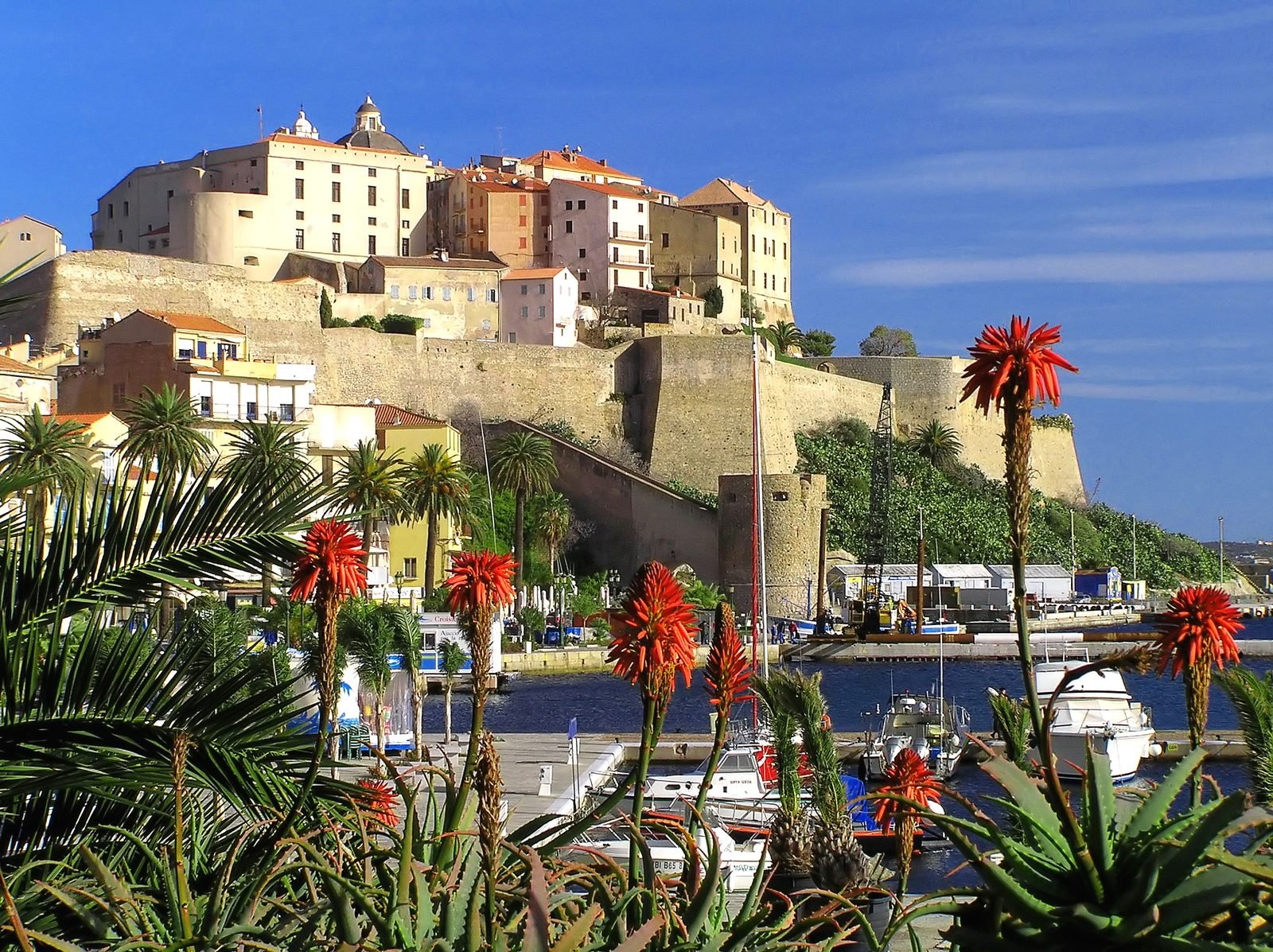
Citadelle de Calvi
Corse · Haute-Corse

Citadelle de Calvi

13th–16th centuries · Genoese citadel

Genoa's proud bastion on the Balagne coast — 'Civitas Calvi semper fidelis' is still carved over the gate. Behind its ramparts above the bay, Calvi nurses two legends: a disputed claim to be Columbus's birthplace, and the certain fact that Nelson lost the sight of his right eye besieging it in 1794.

Full profile →
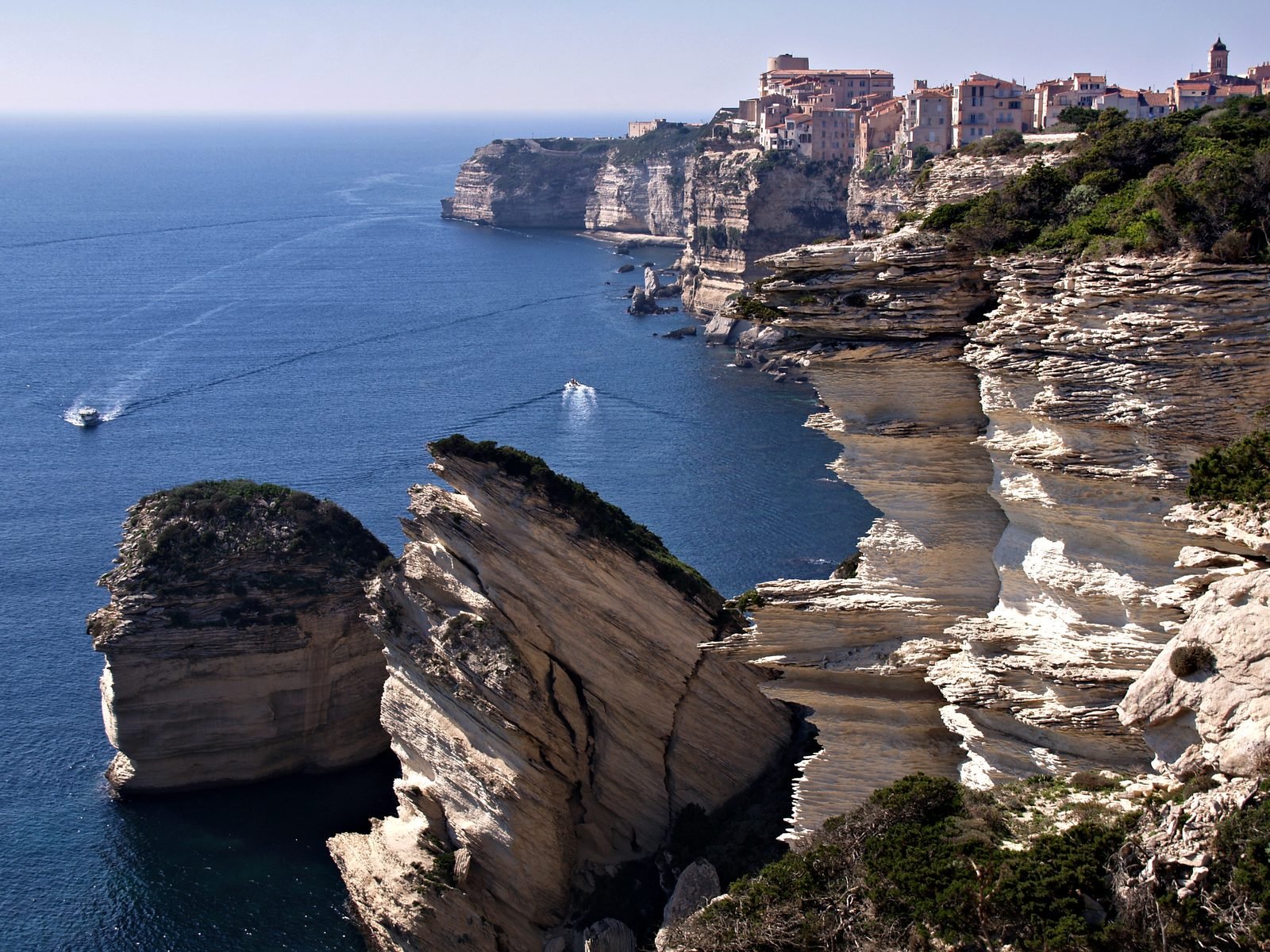
Citadelle de Bonifacio
Corse · Corse-du-Sud

Citadelle de Bonifacio

9th century origins; Genoese works 12th–16th c. · Clifftop citadel

A city on a knife-edge: Bonifacio's citadel rides seventy metres of sheer white limestone above the strait to Sardinia, its houses overhanging the void. Besieged by Alfonso V of Aragon in 1420 — the rock-cut 'Staircase of the King of Aragon' plunges to the sea — it is the most dramatic fortified site in Corsica.

Full profile →
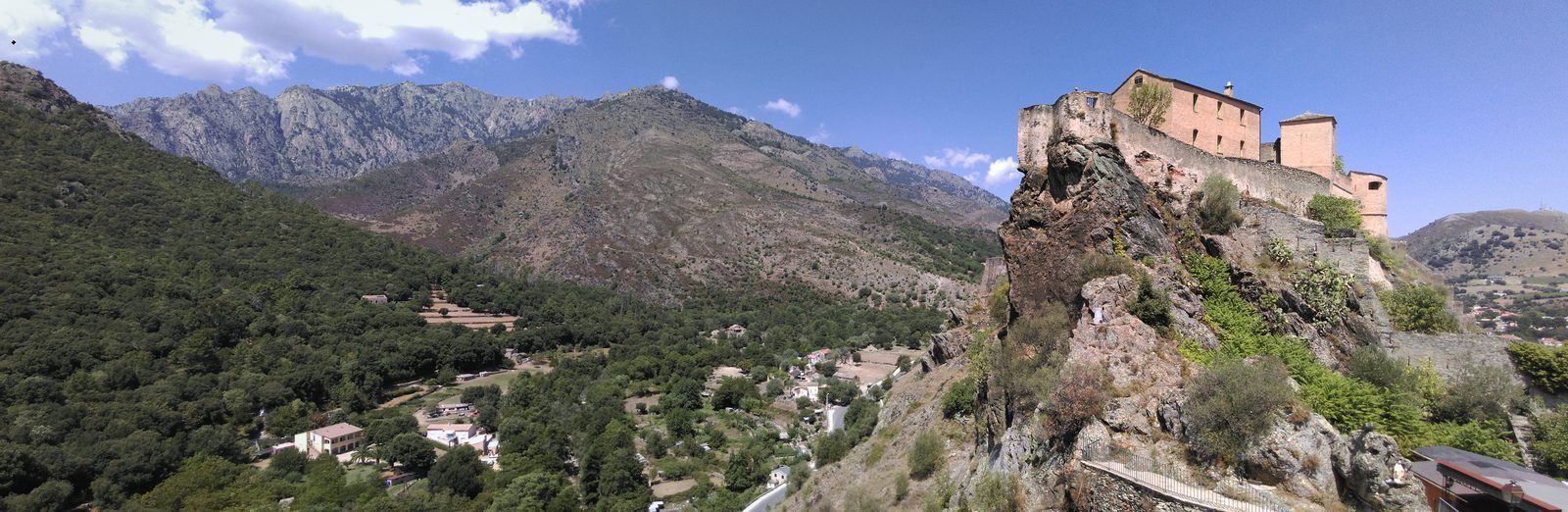
Citadelle de Corte
Corse · Haute-Corse

Citadelle de Corte

1419 (eagle's nest); enlarged 18th–19th c. · Mountain citadel

Corsica's only inland citadel, an eagle's nest on a rock spur where the Restonica meets the Tavignano — and the capital of Pasquale Paoli's independent Corsican Republic (1755–1769), which gave Europe one of its first Enlightenment constitutions. Today it houses the Museum of Corsica.

Full profile →