
Restoration & Stories
How the Revolution Shaped France’s Châteaux
Every château you have ever wandered through carries a quiet scar from the years between 1789 and 1799. Some lost their furniture, some lost their roofs, and some vanished altogether, carted away stone by stone. Yet the same upheaval that emptied these houses also planted the idea that saved them: that a château is not only a family’s home, but part of a nation’s memory. This is the story of how the Revolution reshaped France’s châteaux, and why so many are being lovingly brought back today.
Key Takeaways
- On 4 August 1789 the National Assembly abolished the feudal regime, including seigneurial rights, the legal backbone of château life.
- Church property was declared national property on 2 November 1789; émigré property was confiscated from 30 March 1792 and sold as biens nationaux.
- Versailles’ contents went under the hammer in some 17,000 lots between August 1793 and August 1794; Chambord’s floors were lifted and sold for timber.
- Marly, Chanteloup, Meudon’s Château-Vieux and Chantilly’s Grand Château were all pulled down, mostly for their building materials.
- France’s first list of historic monuments came in 1840; the law of 31 December 1913 still underpins heritage protection.
- Since 2018, Stéphane Bern’s heritage mission and its lottery have helped fund hundreds of restorations.
The World Before 1789
Under the Ancien Régime, a château was far more than a beautiful house. It was the seat of a seigneurie, a lordship that came with rights over the people and land around it: dues, tolls, courts and the old documents, carefully kept in the château’s archive, that recorded who owed what to whom. The great royal and princely houses, Versailles, Marly, Chambord, Chantilly, Meudon, were stages for court life, filled with tapestries, mirrors, gilded panelling and furniture made by the finest craftsmen in Europe.
1789: Fear in the Countryside
In the summer of 1789, between 22 July and 6 August, a wave of rumour and panic swept rural France. Historians call it the Great Fear. Peasants marched on manor houses, and their main target was paper, not people: the feudal title deeds that bound them to their lords. In most places they left once the documents were destroyed. Hundreds of houses were burned along with their archives, but these were a minority of those visited, and there was no general pillaging.
The fear reached Versailles. On the night of 4 August 1789, the National Assembly formally abolished the feudal regime, including seigneurial rights, partly to calm the countryside. In a single sitting, the legal world that châteaux had been built to serve disappeared.
Property of the Nation
The biens nationaux
Next came the land itself. On 2 November 1789 the Assembly placed the property of the Church “at the disposal of the nation”, to be sold at auction. Sales were slow, so the government issued assignats, bonds backed by those lands, which later became paper money and collapsed into hyperinflation.
When nobles fled abroad, their estates followed. Property of émigrés and suspected counter-revolutionaries was confiscated from 30 March 1792 and sold after a decree of 27 July that year. These biens nationaux, national goods, passed to new owners, and with them many a château and abbey.
Selling the contents
The royal family left Versailles on 6 October 1789, and the palace was closed behind them. Between 25 August 1793 and 11 August 1794, its furniture, mirrors, baths and even kitchen equipment were auctioned in some seventeen thousand lots. At Chambord, the revolutionary government ordered the furnishings sold in 1792; the wall panelling was removed and the floors were taken up and sold for the value of their timber. The great house was left empty.
The Châteaux That Vanished
Some houses lost more than their contents. Once sold, a château could be worth more as a quarry than as a home.
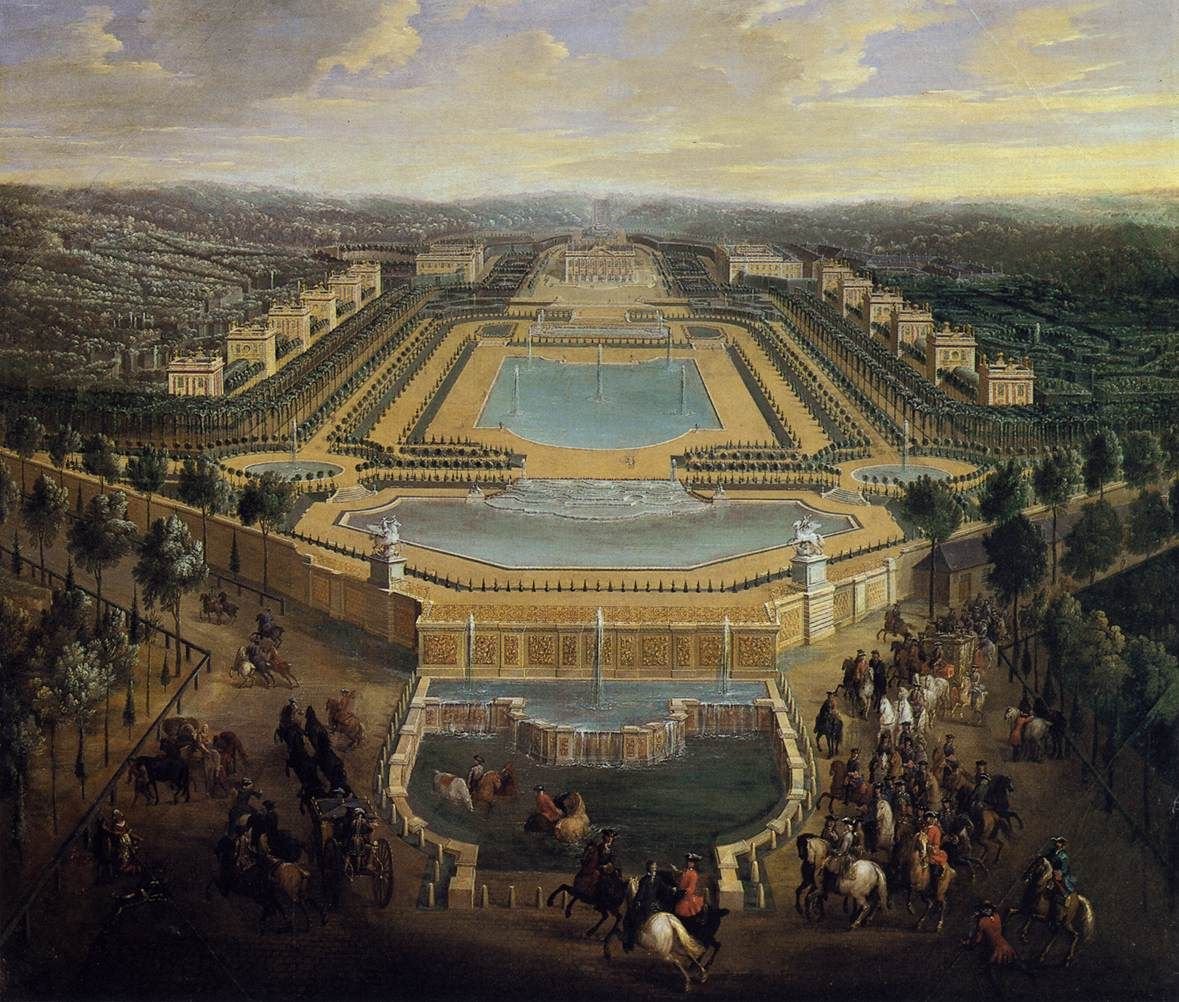
- Marly. Louis XIV’s beloved retreat lost its famous marble horses to Paris in 1794. Around 1800 it was sold to a private owner, a manufacturer who set up cotton-spinning in it. When the factory failed, he demolished the château in 1806 and sold off its materials, even the lead from the roof. Napoleon bought back the estate in 1807; today only the gardens and park remain.
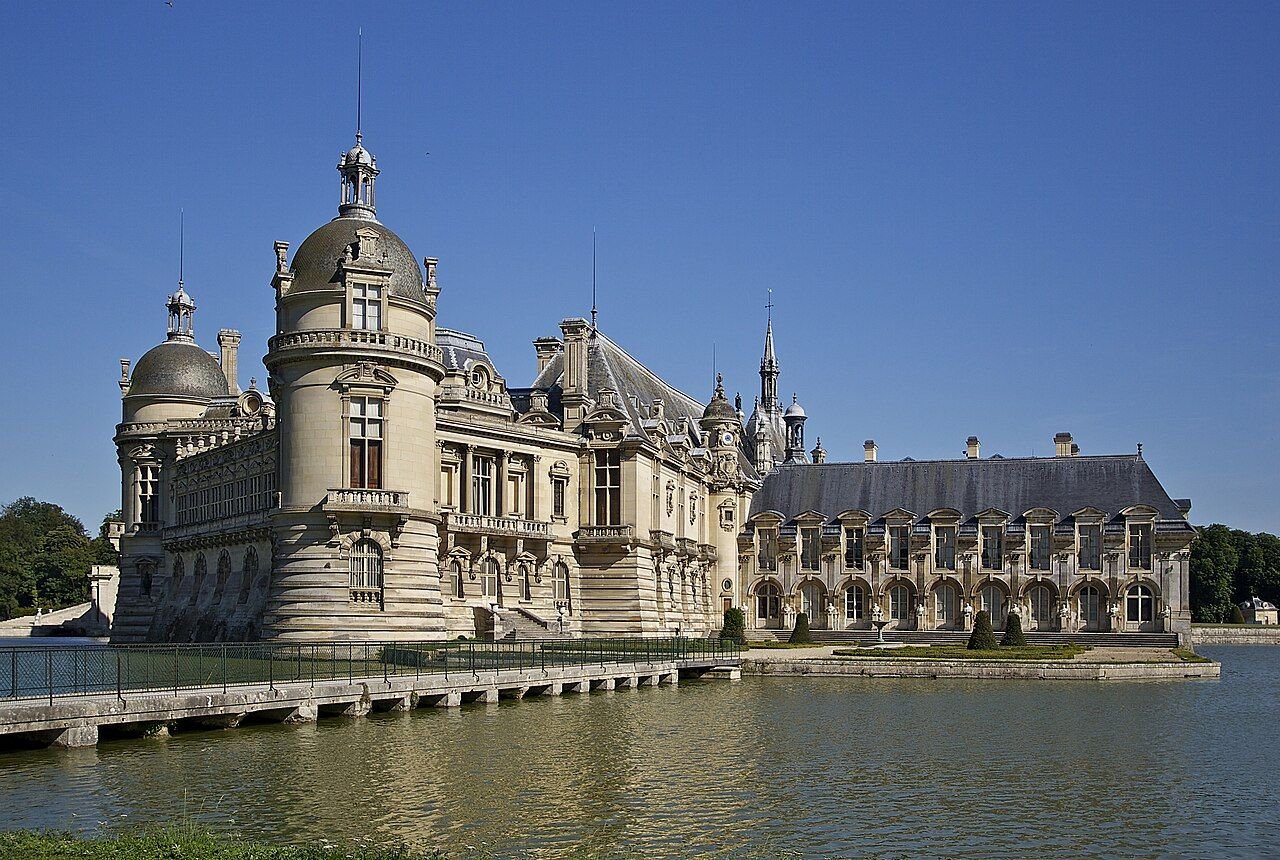
- Chantilly. Confiscated under the laws on émigrés, the Grand Château was emptied of its furniture and used as a political prison during the Terror. In 1799 the buyers set about demolishing it for its stone, razing it to the ground floor. The Petit Château of 1551 and the Grandes Écuries were spared.
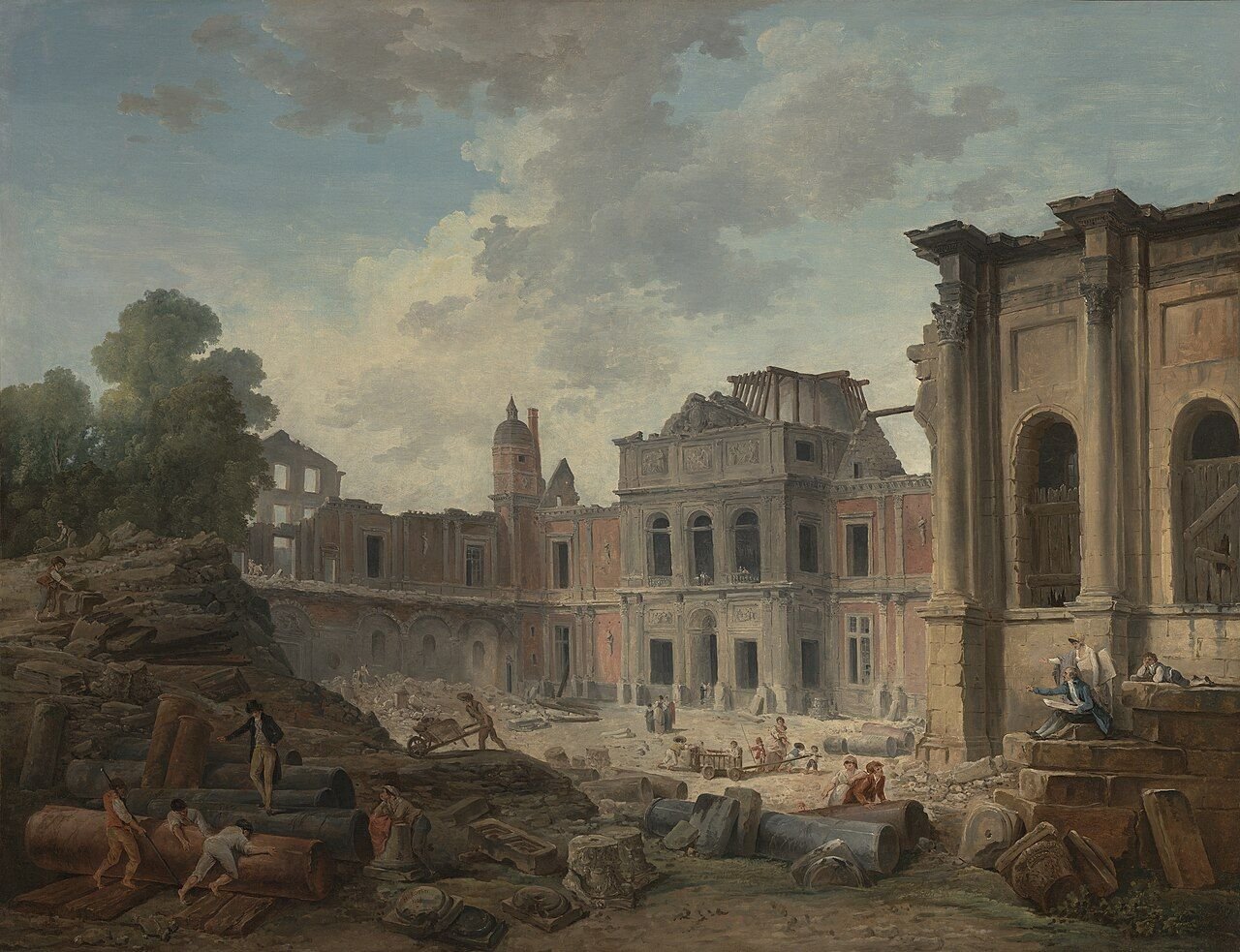
- Meudon. The state turned it into a weapons testing site in 1793, and a fire in 1795 damaged the old château. Napoleon decided in 1803 to demolish the Château-Vieux, and Hubert Robert painted the scene, the image at the top of this story. Some of its stone columns were reused in the Luxembourg Palace.
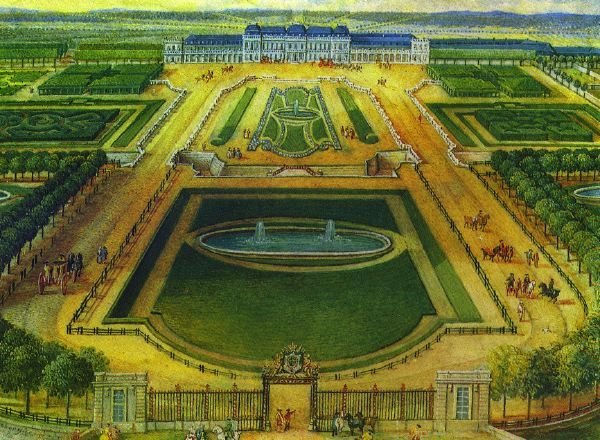
- Chanteloup. Near Amboise, this grand estate became public property in 1797 and stood abandoned until the chemist Jean-Antoine Chaptal bought and restored it in 1802. In 1823 he sold it to speculators, and the château was mostly pulled down that year. Its Chinese-style pagoda survives.
The bande noire
Chanteloup’s buyers had a nickname: the bande noire, the “black band”. It was given to the speculative groups who bought old castles and abbeys at knockdown prices after the Revolution, demolished them, sold the materials and art, and broke up the estates into small plots. Romantic writers coined the dramatic name, and Victor Hugo wrote a poem against them in 1823. Their outrage would soon change the law.
The Nineteenth-Century Rediscovery
A generation after the Revolution, France began to look at its ruins with new eyes. In 1830 the post of Inspector of Historic Monuments was created for Ludovic Vitet, and on 27 May 1834 it passed to the writer Prosper Mérimée, who travelled the country recording what survived. In 1840 the first official list of historic monuments was published: 1,082 monuments, including 934 buildings.
The nation even began rebuilding what it had lost. At Versailles, King Louis-Philippe turned the empty palace into a museum of French history, inaugurated on 30 June 1837. At Chantilly, Henri d’Orléans, duc d’Aumale, rebuilt the Grand Château on its old foundations between 1876 and 1882, to plans by architect Honoré Daumet.
Viollet-le-Duc and Pierrefonds
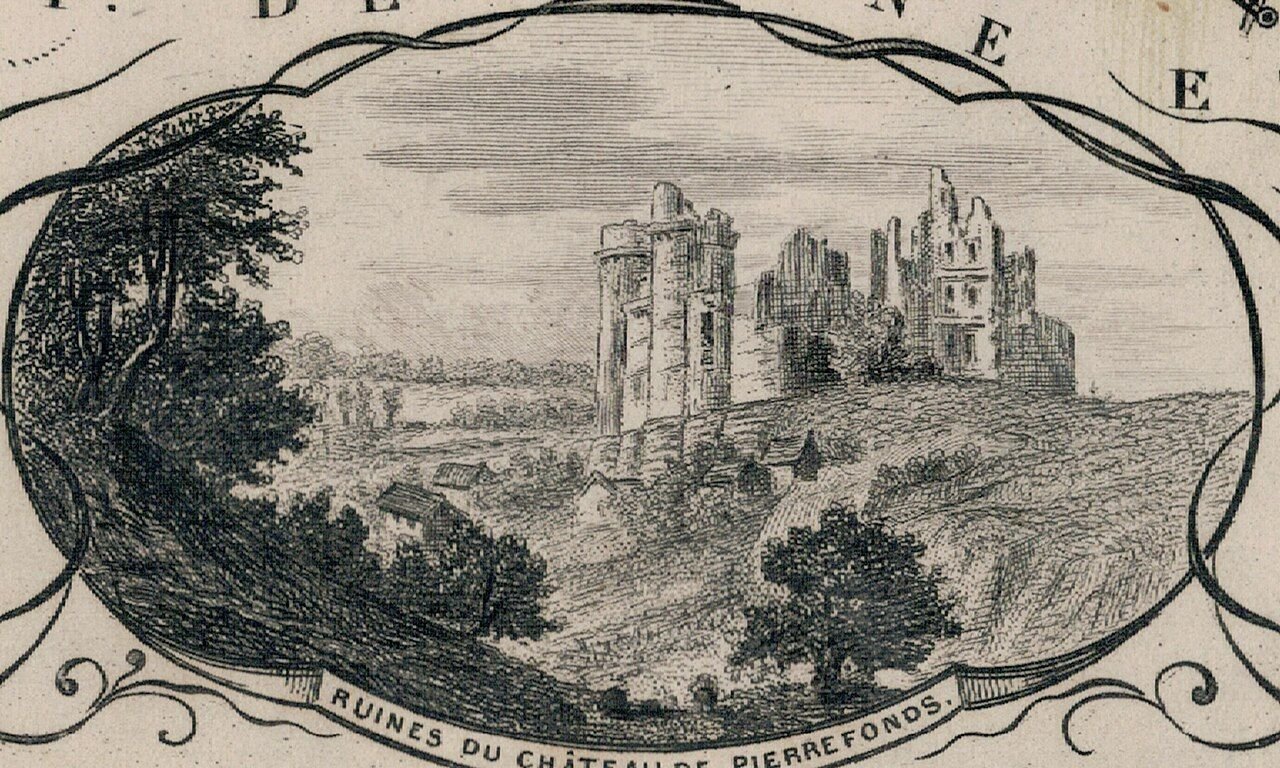
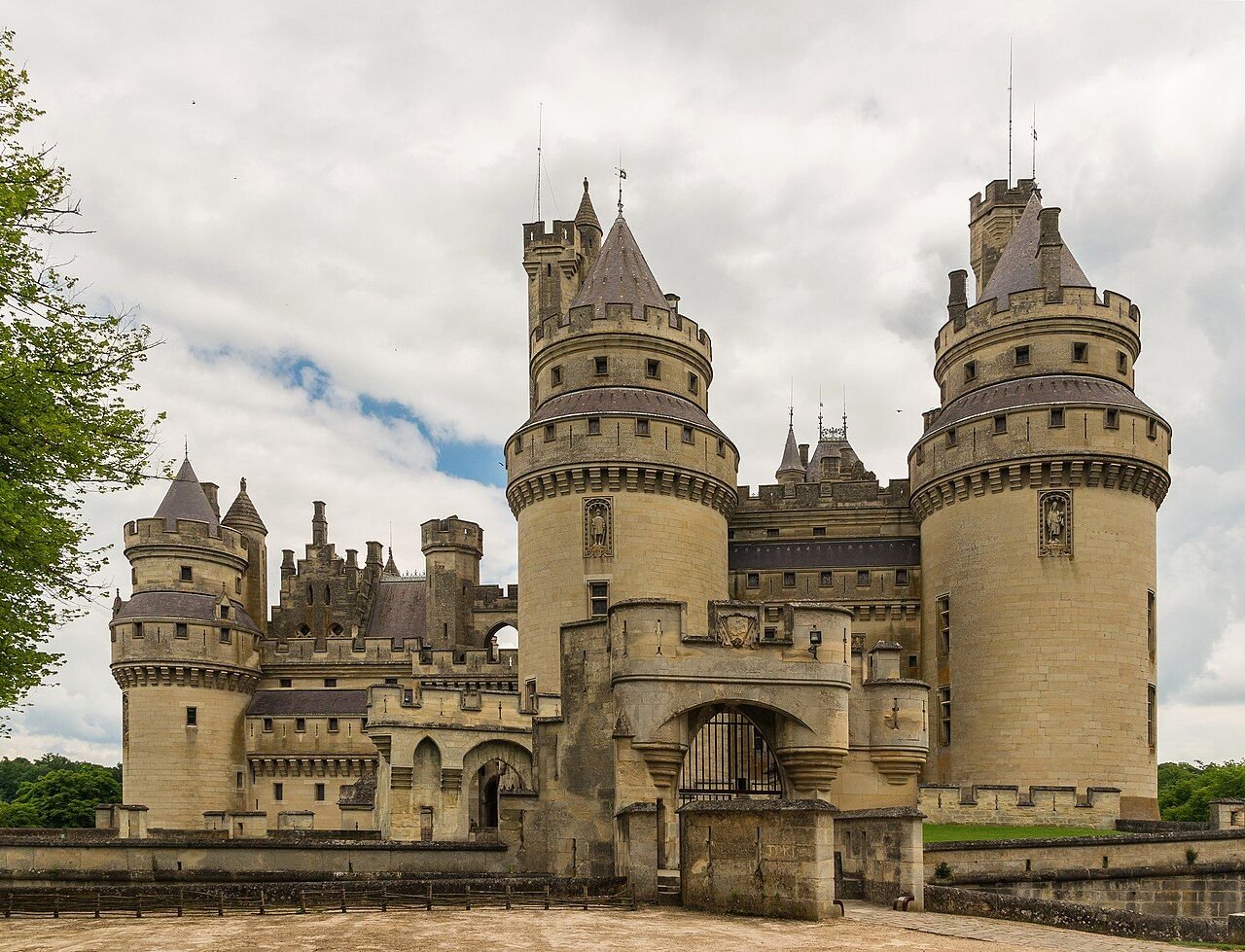
The most romantic revival of all happened at Pierrefonds. Its walls had been breached and its roofs torn off after a siege in 1617, and it stood a ruin for more than two centuries. Napoleon I bought it in 1810 for less than 3,000 francs. In 1857 Napoleon III asked Eugène Viollet-le-Duc to restore it, and the work carried on after his death until 1885. Compare the engraving of the ruins with the castle today, and you see a dream of the Middle Ages made solid. You can read more in our post on the timeless beauty of Château de Pierrefonds.
The Twentieth Century and Beyond
The law of 31 December 1913 built on earlier heritage laws and gave them teeth, with criminal and civil penalties for unauthorised work on listed monuments. It remains the foundation of French heritage protection. The state took on some of the greatest houses: Chambord and its land have belonged to the French state since 1930. Chanteloup’s pagoda was restored in 1910 and listed in 1937.
Many smaller châteaux, though, remain in private hands, and roofs, stonework and old timber are endlessly hungry for care. Passing a château from one generation to the next, and simply keeping it watertight, can be more than one family can manage. That is why so many have found new owners and new lives as homes, guest houses, wedding venues and passion projects.
Why So Many Are Being Restored Today
On 16 September 2017, during the European Heritage Days, the President of France entrusted broadcaster Stéphane Bern with a mission for heritage in peril. The first edition launched in 2018 with the Fondation du patrimoine, which checks and supports each project, and a heritage lottery directs part of its takings to restoration. More than 4,800 buildings have been flagged on its platform since 2018, and 745 projects have been selected for help.
Alongside it, private buyers, local associations and volunteers are rolling up their sleeves: clearing ivy, re-slating roofs and reopening doors that were closed for decades. Each restored château is, in its way, a gentle answer to the bande noire.
The Newest to Need Rescuing
History has a way of repeating its questions. Our newest story is not a château but a civic palace in the château style: the Hôtel de Ville of Limoges, badly damaged by fire on 17 October 2026. Like the great houses before it, it now waits for the skill, the funds and the love that will bring it back.
FAQ
Did the Revolution destroy most French châteaux?
No. Many were looted, emptied or sold, and some were demolished, but most survived, often with new owners.
What were the biens nationaux?
Property taken by the state during the Revolution, first from the Church (from November 1789) and then from émigrés (from 1792), and sold to new owners.
Which famous châteaux were demolished?
Marly, Chanteloup, the Château-Vieux of Meudon and the Grand Château of Chantilly, which was later rebuilt.
Who started protecting historic monuments in France?
Ludovic Vitet and then Prosper Mérimée, inspectors of historic monuments, whose work led to the first list in 1840.
What is the heritage lottery?
Part of the heritage mission entrusted to Stéphane Bern in 2017. Since 2018 it has helped fund the restoration of buildings in peril, with the Fondation du patrimoine.
Image credits
Demolition of the Château of Meudon: Hubert Robert, J. Paul Getty Museum, via Wikimedia Commons, public domain. View of the Château of Marly: Pierre-Denis Martin, via Wikimedia Commons, public domain. Château de Chanteloup: attributed to Louis-Nicolas Van Blarenberghe, via Wikimedia Commons, public domain. Château de Chantilly and Château de Pierrefonds: Jebulon, Wikimedia Commons (1, 2), CC0. Pierrefonds before restoration: nineteenth-century engraving, Atlas Migeon, uploaded by Massenie, Wikimedia Commons, CC BY-SA 4.0. Images resized.