Fact-checked

Île-de-France

The châteaux of Île-de-France in the Index — 4 so far, each fact-checked against the historical record. Back to the map.

Or see them all on the map →  Suggest a château →

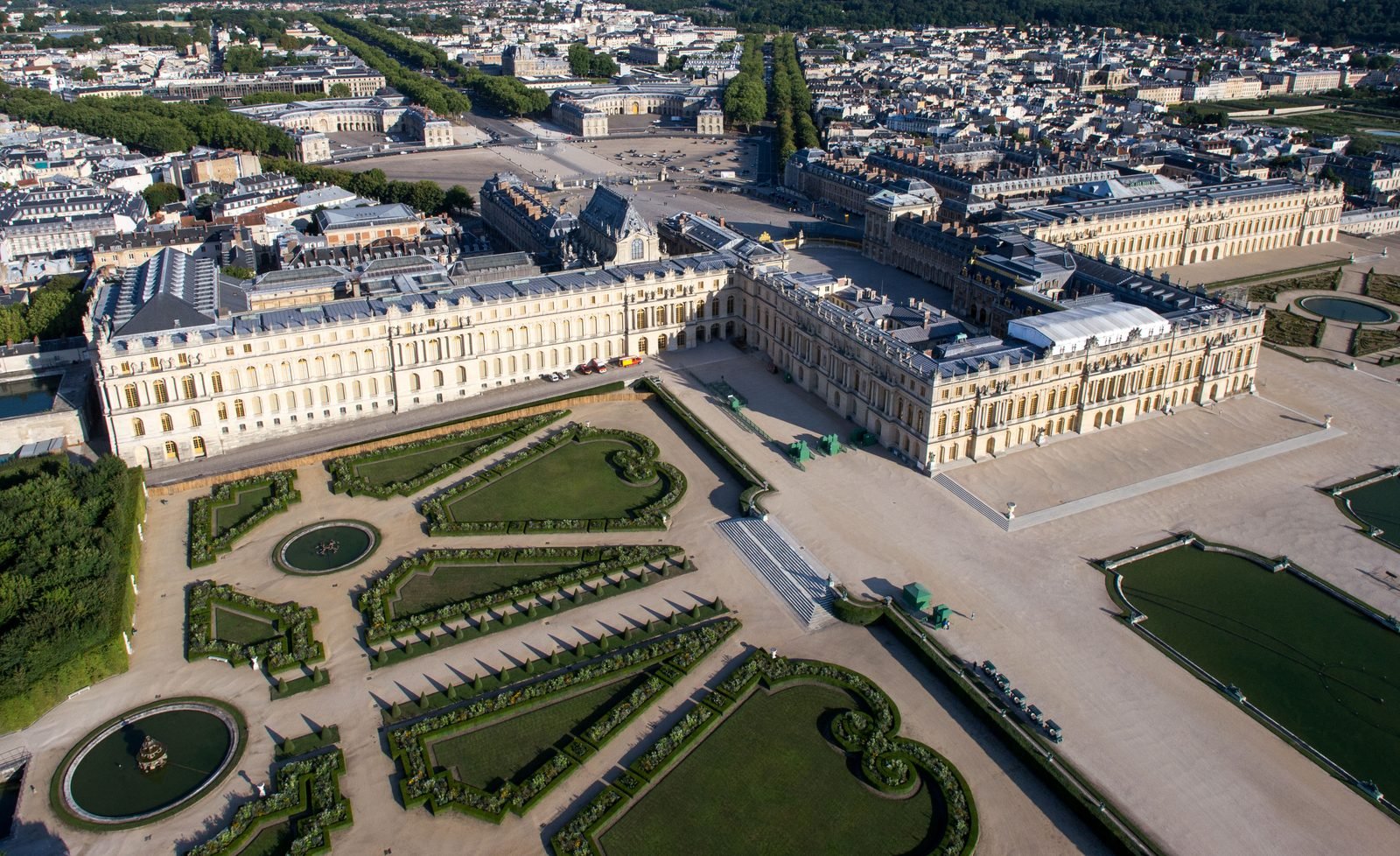
Château de Versailles
Île-de-France · Yvelines

Château de Versailles

1623 (lodge); transformed from 1661 · French Baroque / Classicism

Louis XIII's brick-and-stone hunting lodge, transformed from 1661 by Louis XIV into the seat of the French court and the most imitated palace in Europe. Architects Louis Le Vau and Jules Hardouin-Mansart, painter Charles Le Brun and gardener André Le Nôtre created the template of absolute-monarchy grandeur.

Full profile →
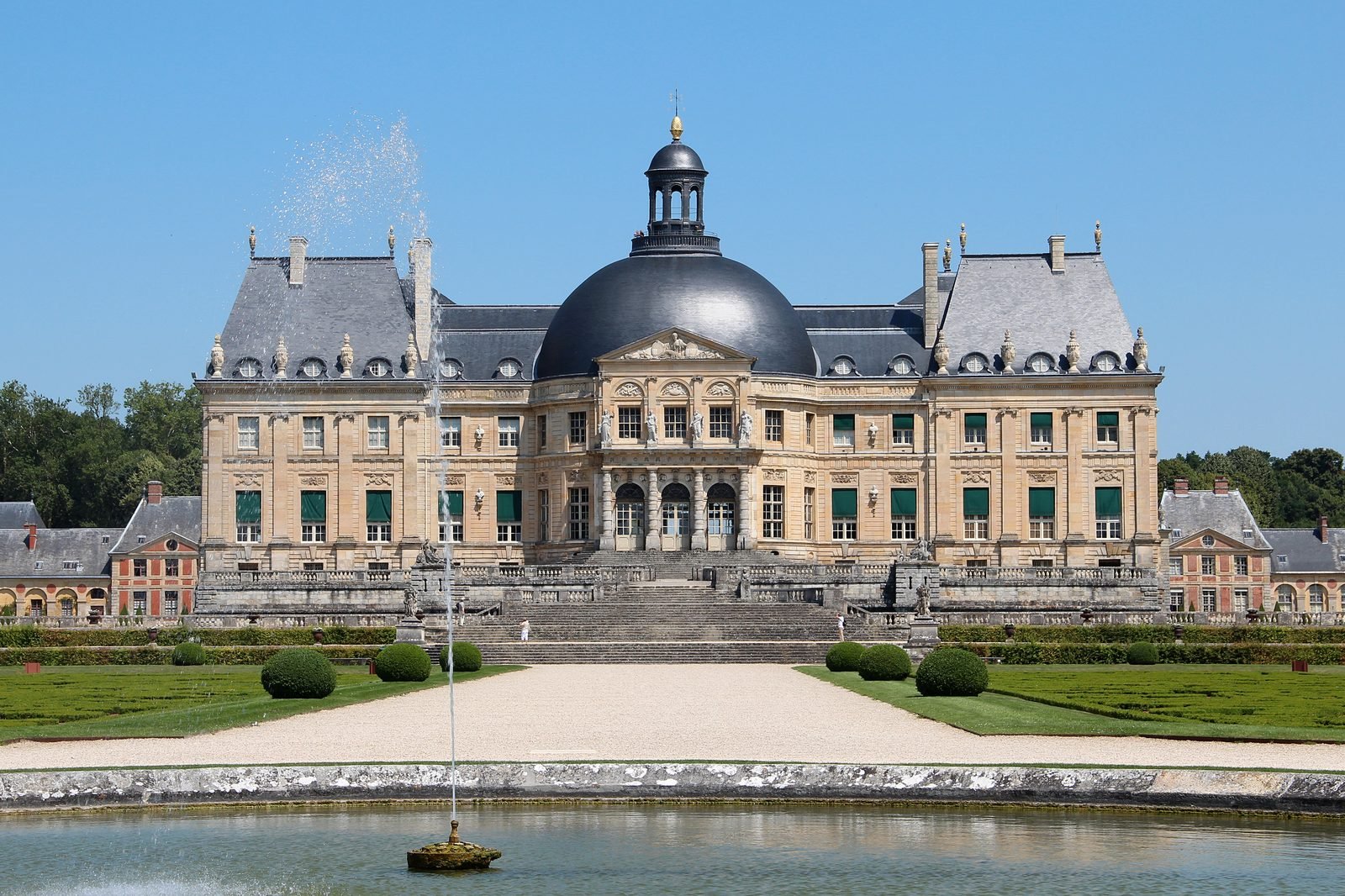
Château de Vaux-le-Vicomte
Île-de-France · Seine-et-Marne

Château de Vaux-le-Vicomte

1658–1661 · French Baroque

Built at speed for Louis XIV's superintendent of finances, Nicolas Fouquet, by the dream team of Le Vau, Le Brun and Le Nôtre — the first time the three worked together. The famously extravagant fête of 17 August 1661 helped precipitate Fouquet's arrest, and the same trio was promptly set to work on Versailles.

Full profile →
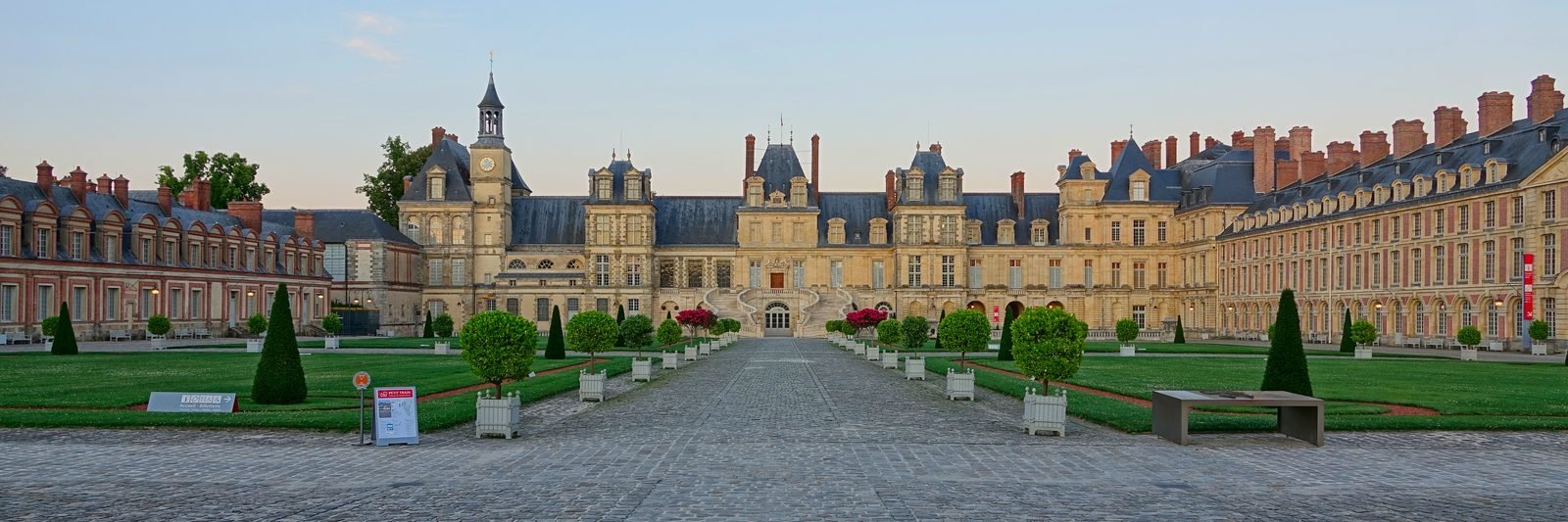
Château de Fontainebleau
Île-de-France · Seine-et-Marne

Château de Fontainebleau

12th century origins; Renaissance rebuilding from 1528 · Medieval, Renaissance and Classical layers

The true "house of centuries": eight hundred years of continuous royal and imperial residence, from Louis VII to Napoleon III. Francis I turned the medieval castle into the showcase of the French Renaissance, importing Italian artists whose work created the School of Fontainebleau. Napoleon bid farewell to his Old Guard in its courtyard in 1814.

Full profile →
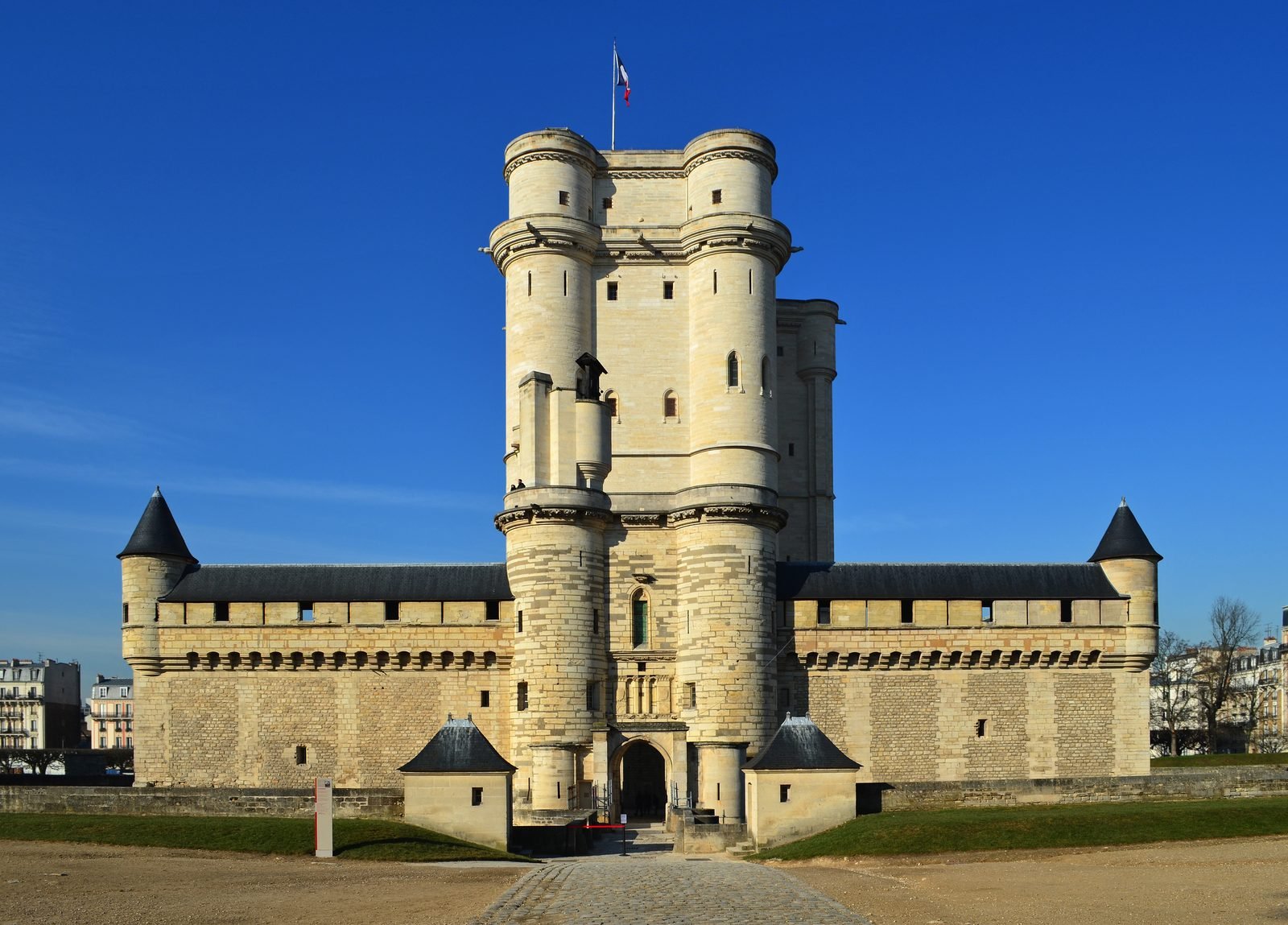
Château de Vincennes
Île-de-France · Val-de-Marne

Château de Vincennes

14th century (keep 1361–1371) · Medieval royal residence-fortress

The tallest surviving medieval fortified keep in Europe — 52 metres — at the heart of the fortress where the kings of France lived before Versailles was dreamt of. Its Sainte-Chapelle rivals the one on the Île de la Cité; its donjon later held Fouquet, Diderot and the Marquis de Sade.

Full profile →