Fact-checked

Centre-Val de Loire

The châteaux of Centre-Val de Loire in the Index — 18 so far, each fact-checked against the historical record. Back to the map.

Or see them all on the map →  Suggest a château →

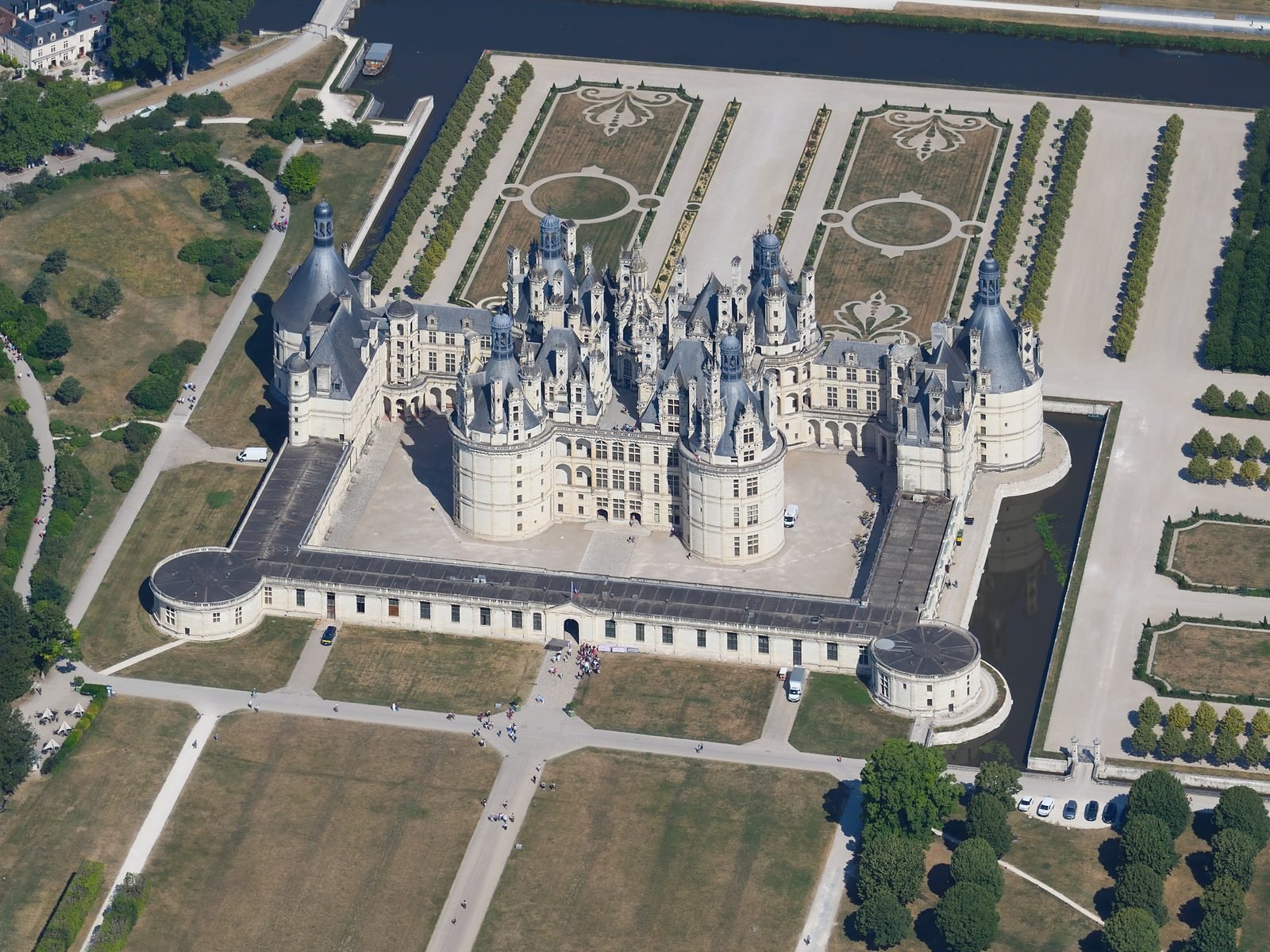
Château de Chambord
Centre-Val de Loire · Loir-et-Cher

Château de Chambord

1519–1547 · French Renaissance

The largest château of the Loire Valley, begun in 1519 as a hunting lodge for Francis I and never fully completed in his lifetime. Its double-helix staircase — two spirals that never meet — is popularly associated with the ideas of Leonardo da Vinci, who died at nearby Amboise the year construction began.

Full profile →
Château de Chenonceau
Centre-Val de Loire · Indre-et-Loire

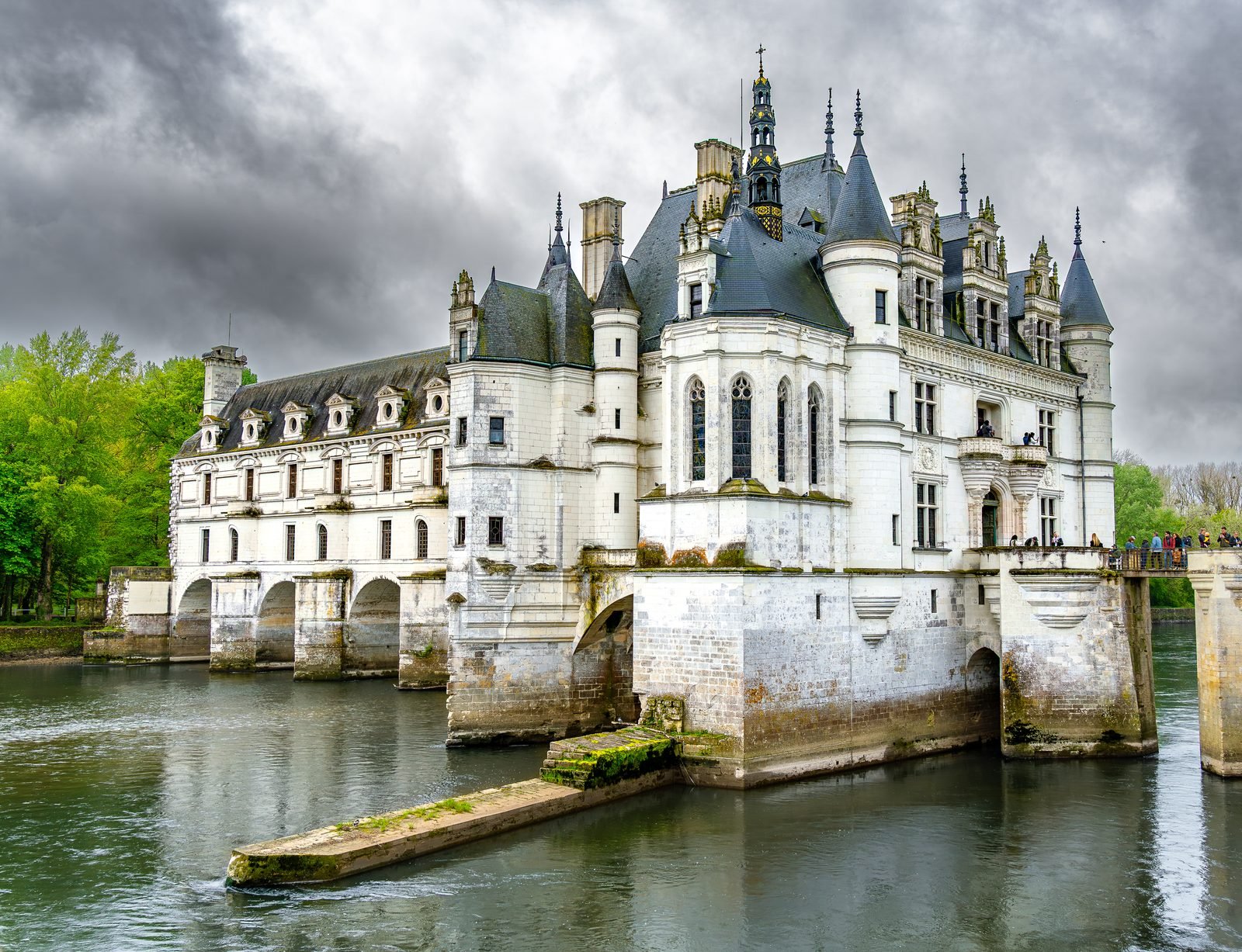
Château de Chenonceau

1514–1522 (gallery completed c. 1576) · Late Gothic / French Renaissance

The "Château des Dames", famous for spanning the River Cher on the arches of its two-storey gallery. Its history was shaped by a succession of remarkable women — Katherine Briçonnet, Diane de Poitiers, Catherine de' Medici and Louise Dupin — and it remains one of the most visited châteaux in France.

Full profile →
Château de Villandry
Centre-Val de Loire · Indre-et-Loire

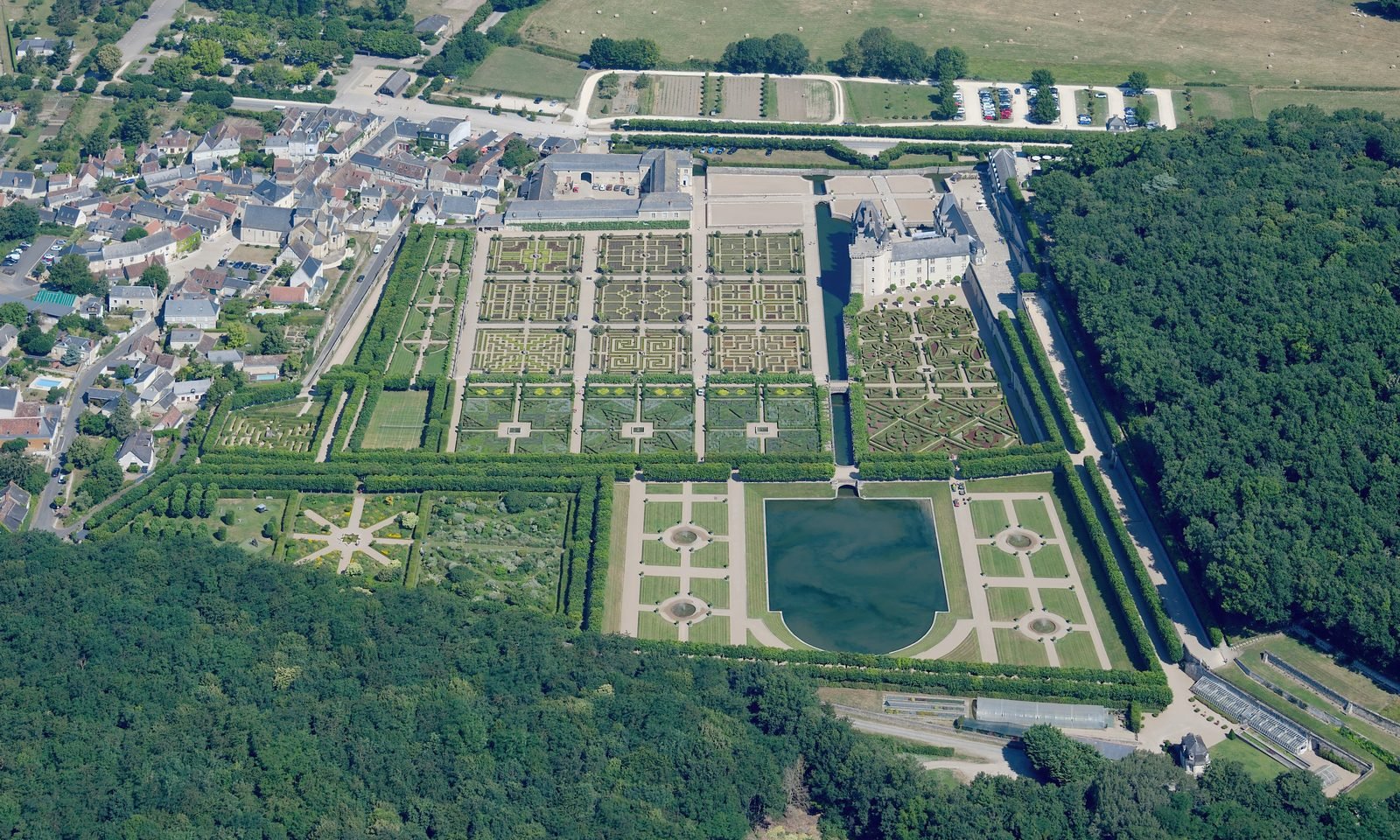
Château de Villandry

Completed c. 1536 · French Renaissance

The last of the great Renaissance châteaux built on the banks of the Loire, celebrated above all for its gardens: six terraced levels of ornamental parterres, water garden and the famous Renaissance potager, recreated from 1906 by Joachim Carvallo, whose descendants still own the estate.

Full profile →
Château d'Azay-le-Rideau
Centre-Val de Loire · Indre-et-Loire

Château d'Azay-le-Rideau

1518–1527 · Early French Renaissance

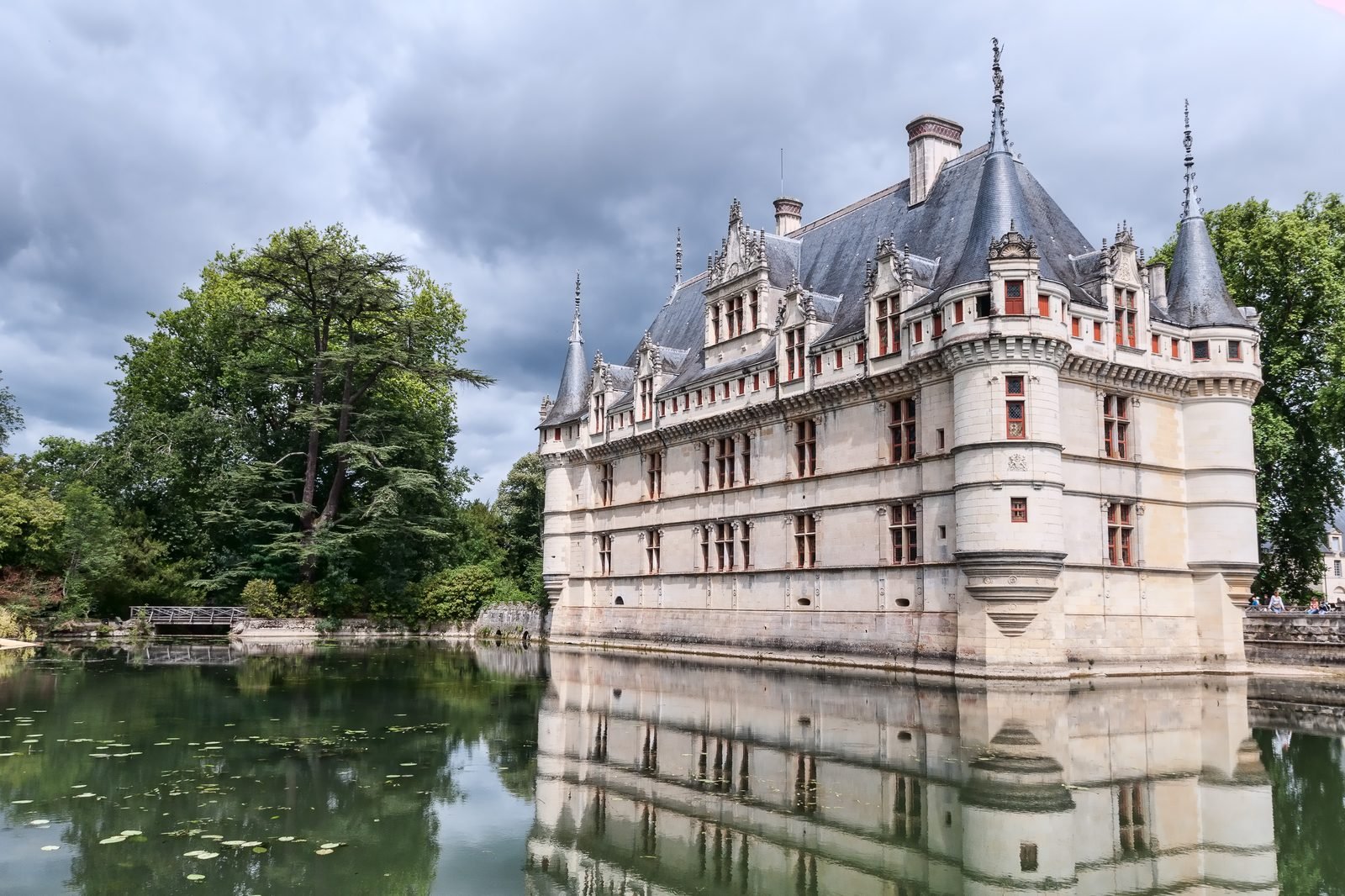
Built on an island in the Indre, whose still water gives the château its celebrated mirror reflection. Balzac called it "a faceted diamond set in the Indre". Its financier builder fled before completion when caught in a royal purge; today it is state-owned and superbly restored.

Full profile →
Château Royal de Blois
Centre-Val de Loire · Loir-et-Cher

Château Royal de Blois

13th–17th centuries · Four wings, four eras: Gothic, Louis XII, Francis I Renaissance, Classical

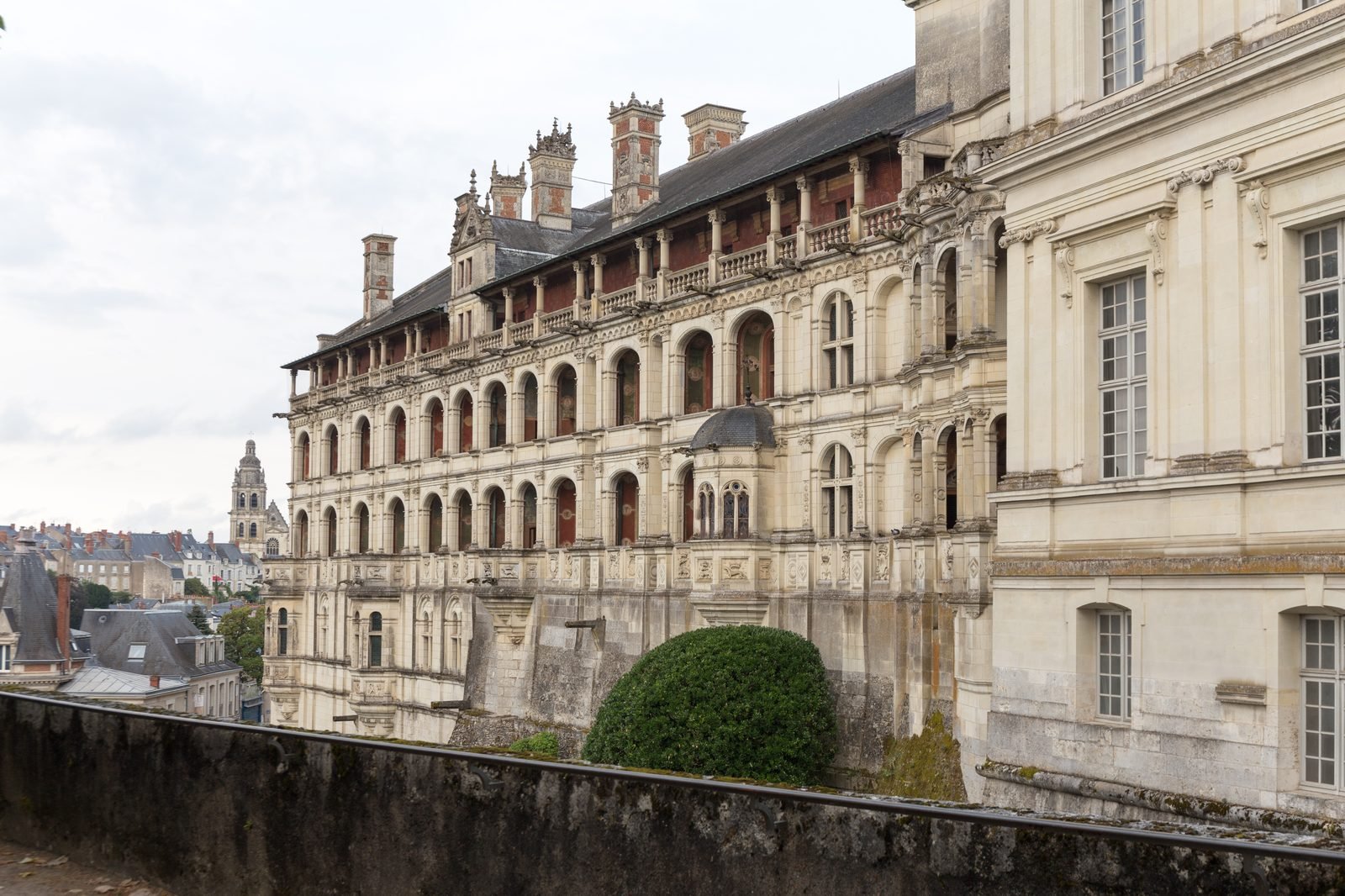
A living textbook of French architecture: four wings around one courtyard spanning Gothic, Flamboyant, Renaissance and Classical styles. Residence of seven kings and ten queens of France, and the scene of the assassination of the Duke of Guise on the orders of Henri III in December 1588.

Full profile →
Château Royal d'Amboise
Centre-Val de Loire · Indre-et-Loire

Château Royal d'Amboise

15th–16th centuries · Late Gothic and early Renaissance

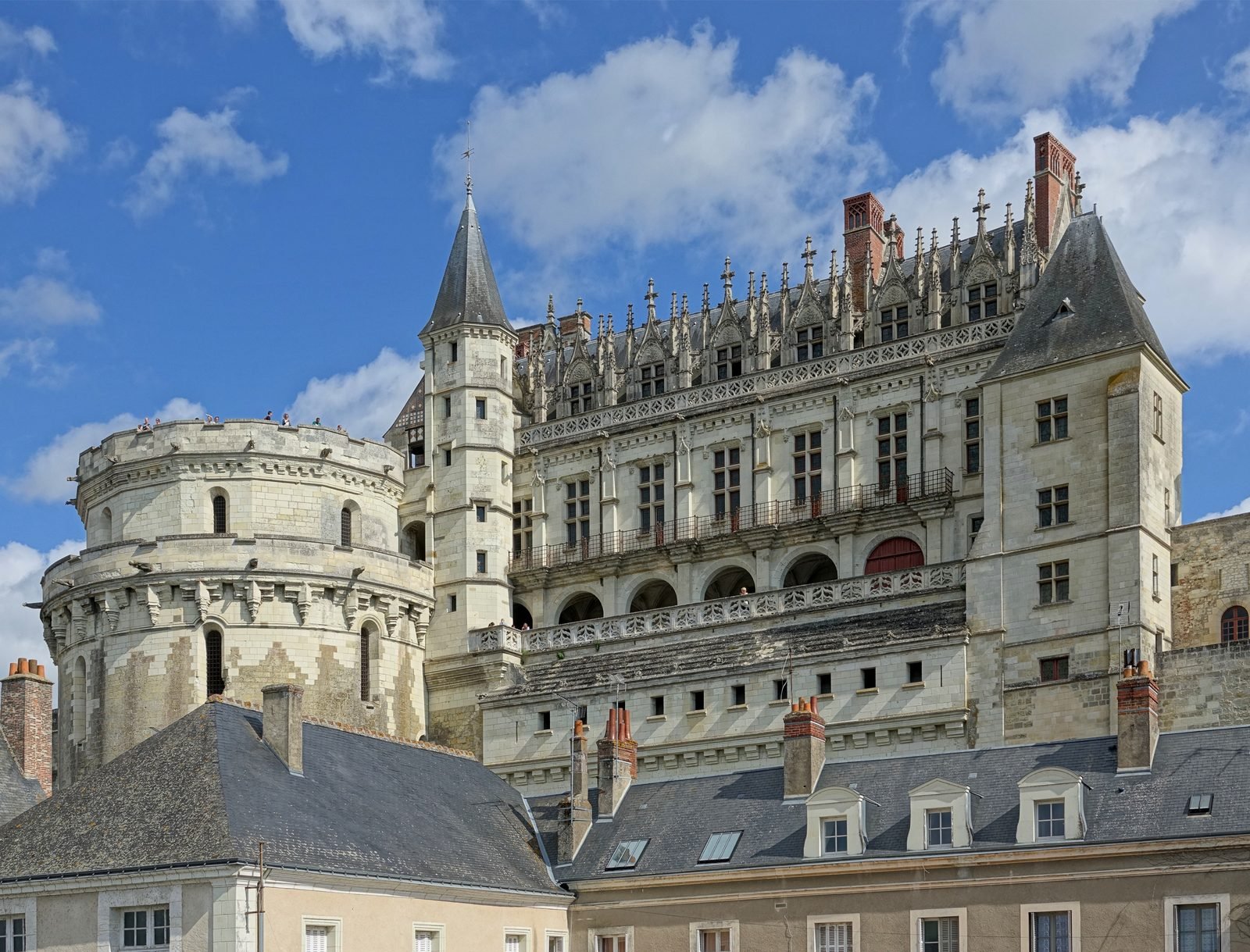
The royal château rising directly above the Loire where the French Renaissance first took root: Charles VIII was born and died here, Francis I spent his youth here, and Leonardo da Vinci — the king's guest at nearby Clos Lucé — is buried in the château's chapel of Saint-Hubert.

Full profile →
Forteresse Royale de Chinon
Centre-Val de Loire · Indre-et-Loire

Forteresse Royale de Chinon

10th–15th centuries · Medieval royal fortress in three enclosures

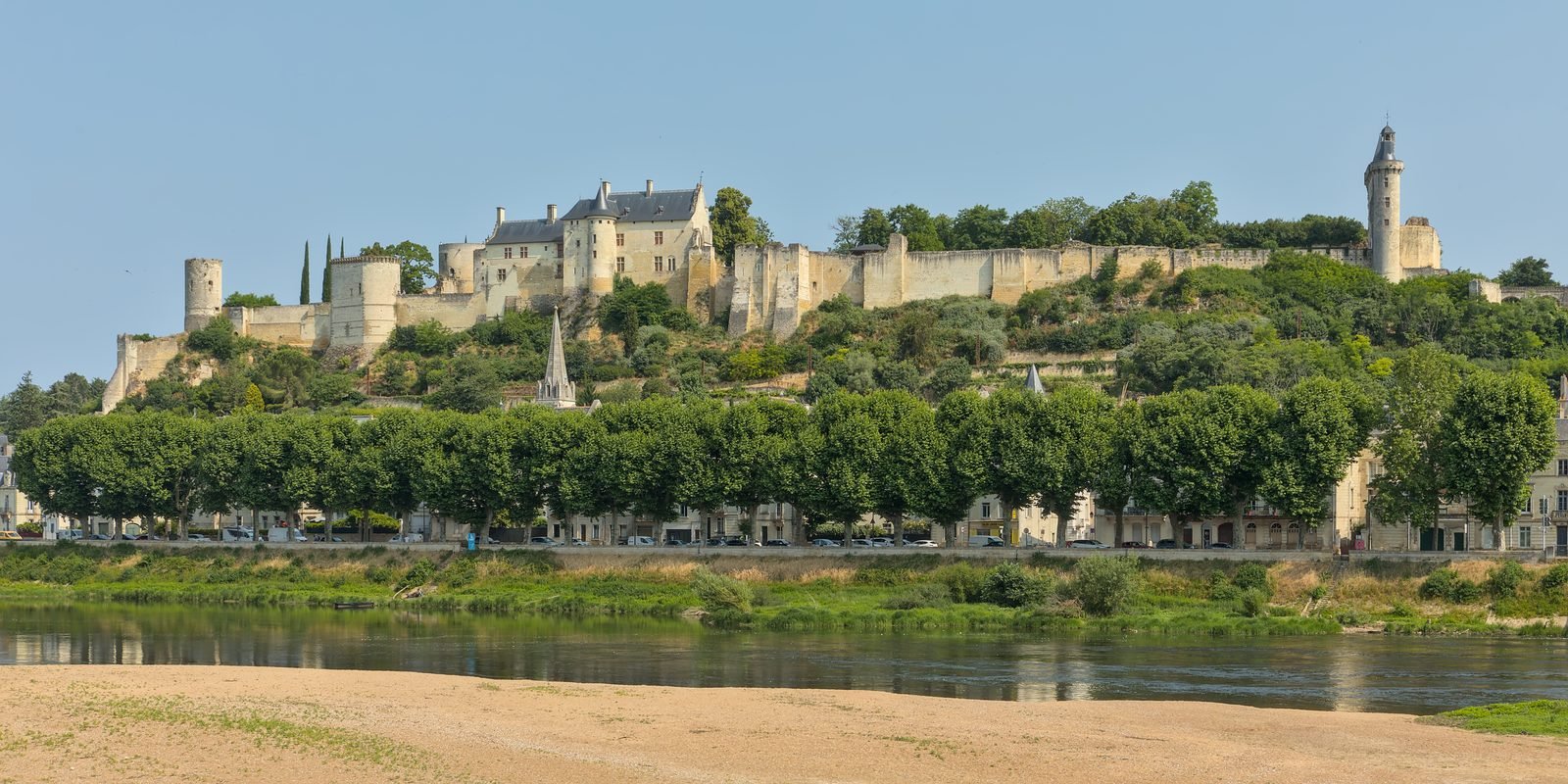
A vast medieval fortress stretched along a spur above the Vienne, favourite residence of Henry II Plantagenet — and the place where, in 1429, Joan of Arc picked the disguised Dauphin out of the crowd and convinced the future Charles VII to give her an army.

Full profile →
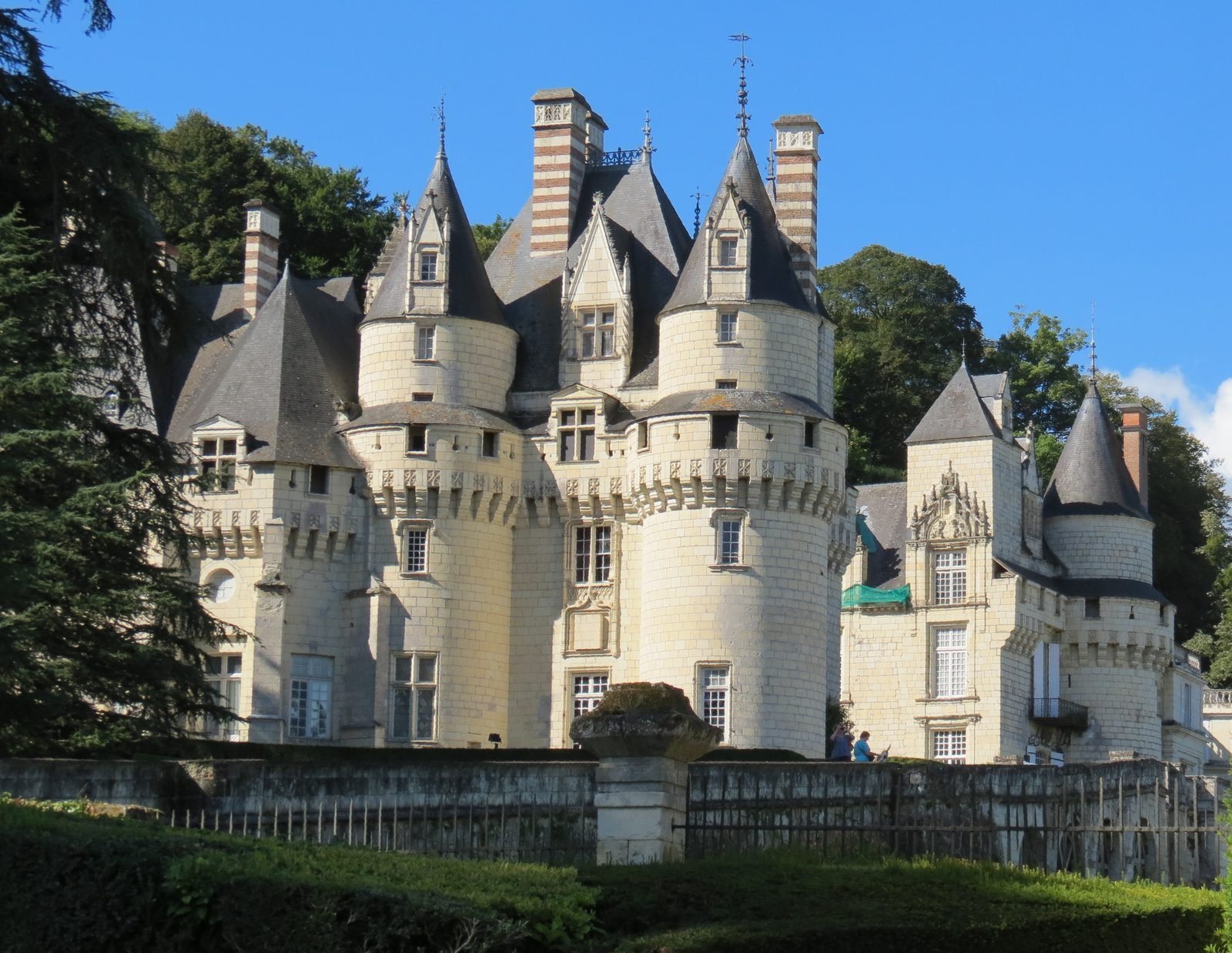
Château d'Ussé
Centre-Val de Loire · Indre-et-Loire

Château d'Ussé

15th–17th centuries · Late Gothic to classical, famously turreted

The white, many-turreted château on the edge of the Chinon forest traditionally said to have inspired Charles Perrault's Sleeping Beauty. Still privately owned and lived in by the family of the Duc de Blacas, it stages the fairy tale in its towers each season.

Full profile →
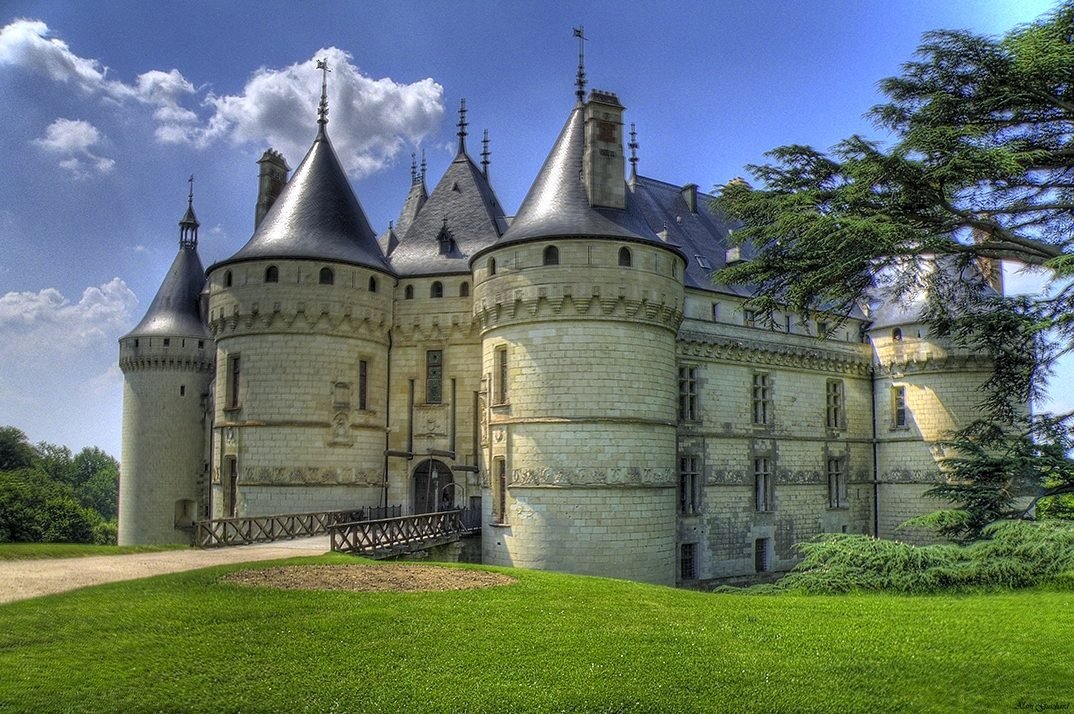
Château de Chaumont-sur-Loire
Centre-Val de Loire · Loir-et-Cher

Château de Chaumont-sur-Loire

Rebuilt 1469–1510 · Late Gothic turning Renaissance

The château Catherine de' Medici famously traded to Diane de Poitiers in exchange for Chenonceau after Henri II's death. High above the Loire with drum towers and drawbridge intact, it is now equally famous as home of the International Garden Festival, held every year since 1992.

Full profile →
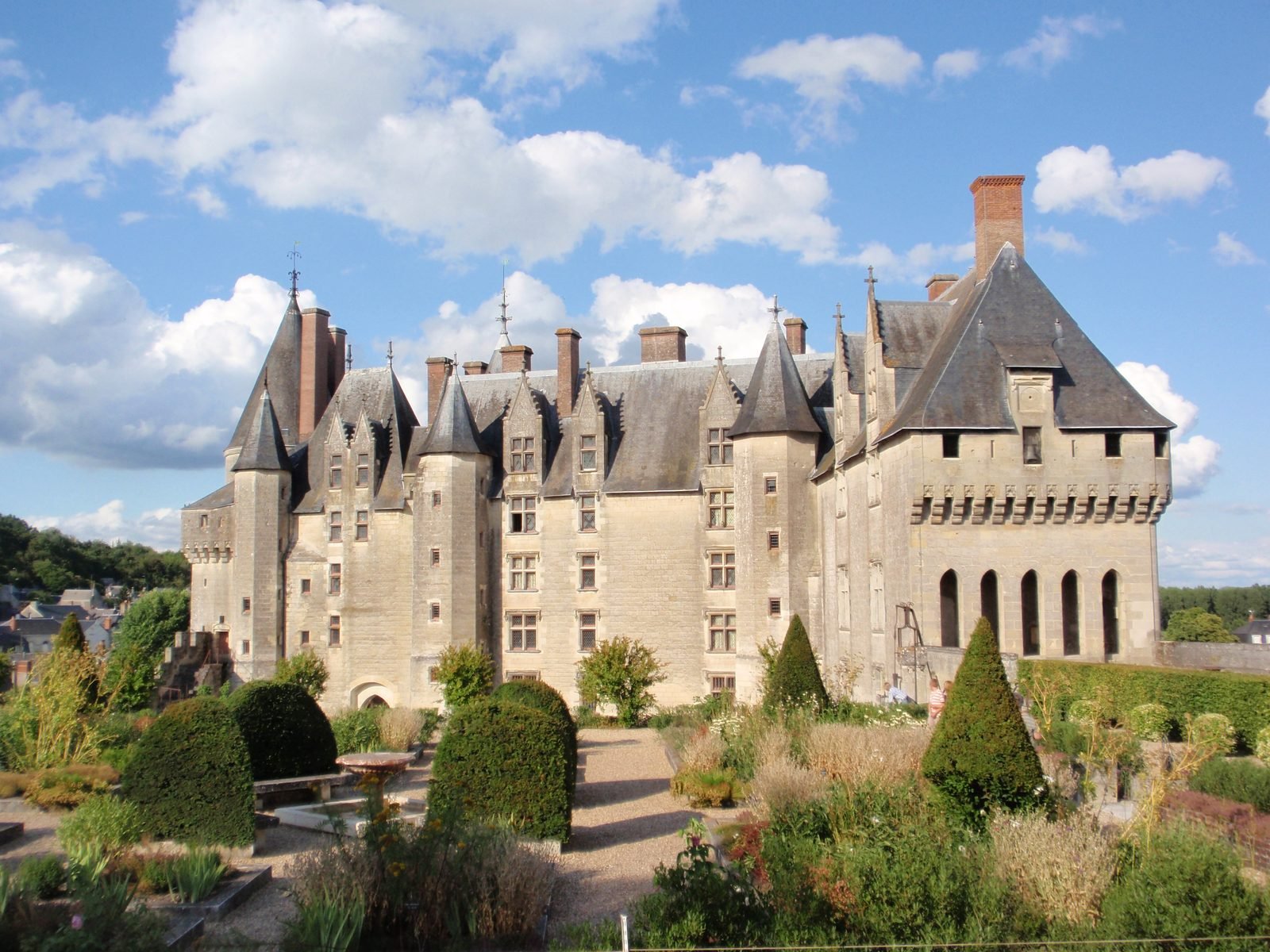
Château de Langeais
Centre-Val de Loire · Indre-et-Loire

Château de Langeais

Keep c. 994; château rebuilt from 1465 · Late medieval royal château

Two castles in one: the ruined stone keep of Foulques Nerra — among the oldest in France — and Louis XI's feudal-faced château of the 1460s. In its great hall on 6 December 1491, Charles VIII secretly married Anne of Brittany, the union that bound Brittany to France.

Full profile →
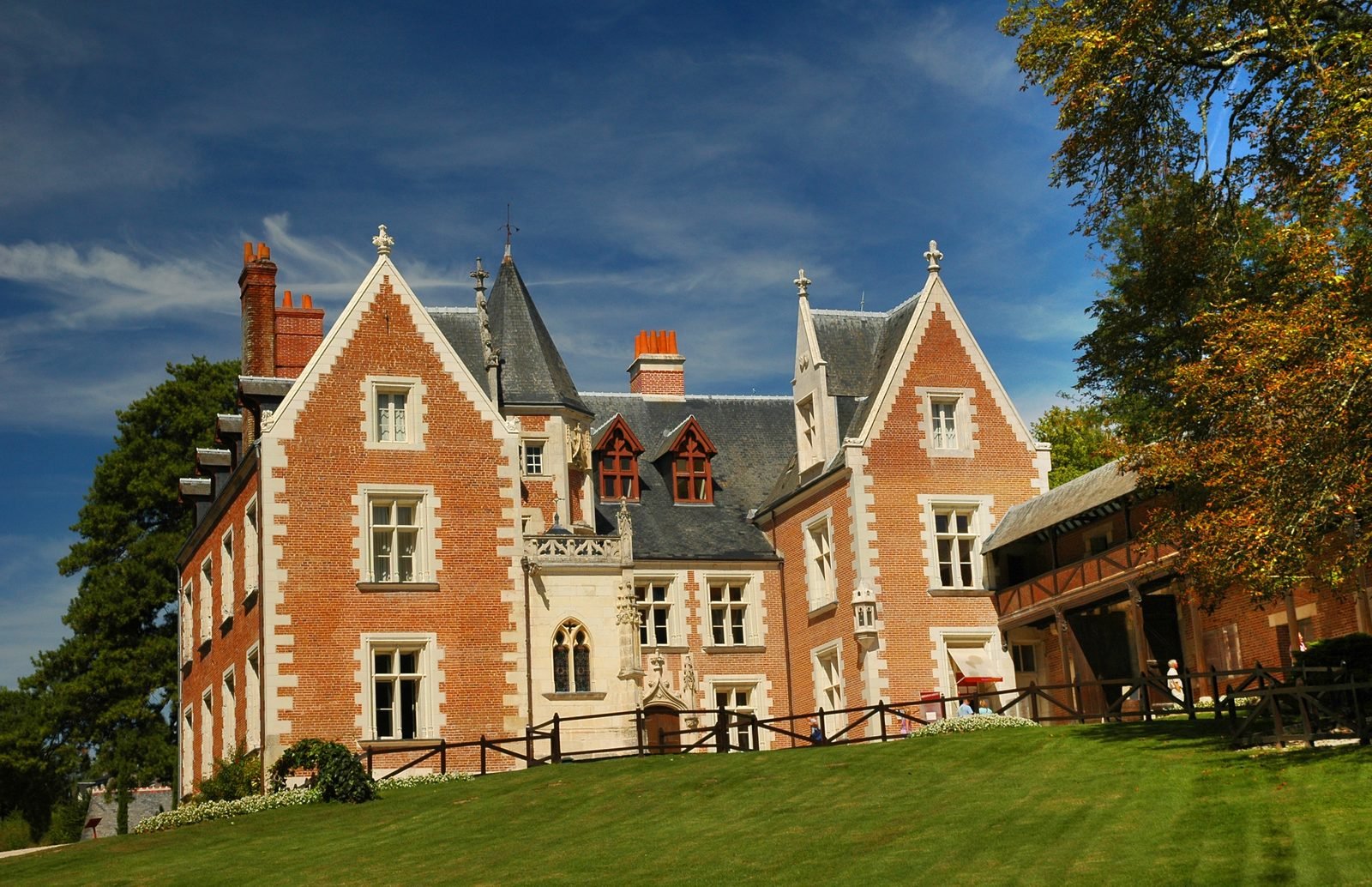
Château du Clos Lucé
Centre-Val de Loire · Indre-et-Loire

Château du Clos Lucé

1471 (manor) · Brick-and-stone late Gothic manor

The manor beside Amboise where Leonardo da Vinci spent his last three years as 'First Painter, Engineer and Architect of the King' to Francis I — arriving from Italy with the Mona Lisa in his baggage. He died here on 2 May 1519; the house and park now stage his machines and workshops.

Full profile →
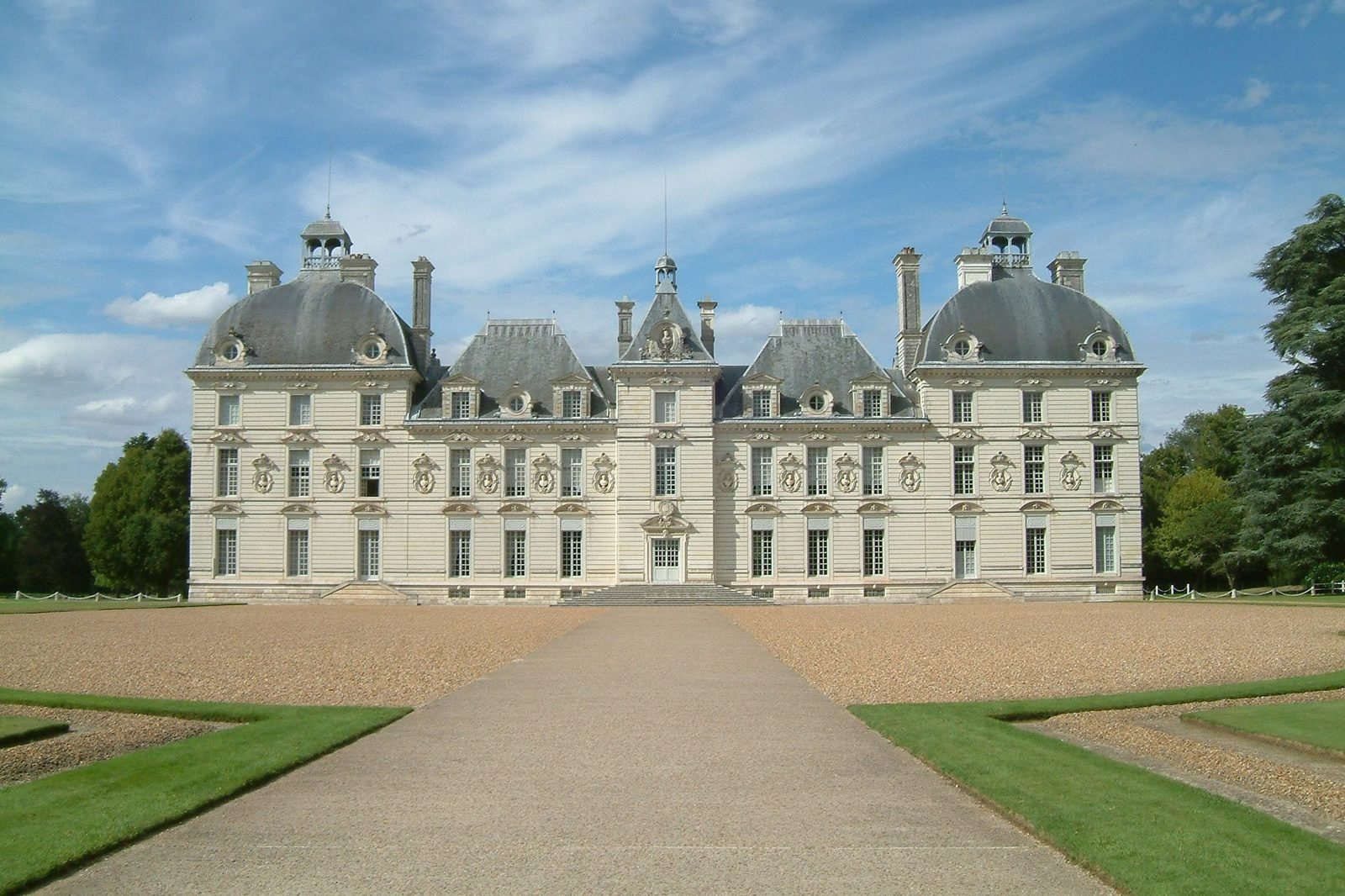
Château de Cheverny
Centre-Val de Loire · Loir-et-Cher

Château de Cheverny

1624–1630 · Louis XIII classicism

Built in a single campaign and never remodelled, Cheverny has the most sumptuously intact interiors of the Loire — and has belonged to the same family, the Huraults, for six centuries. Hergé used its central block as the model for Captain Haddock's Marlinspike Hall (Moulinsart).

Full profile →
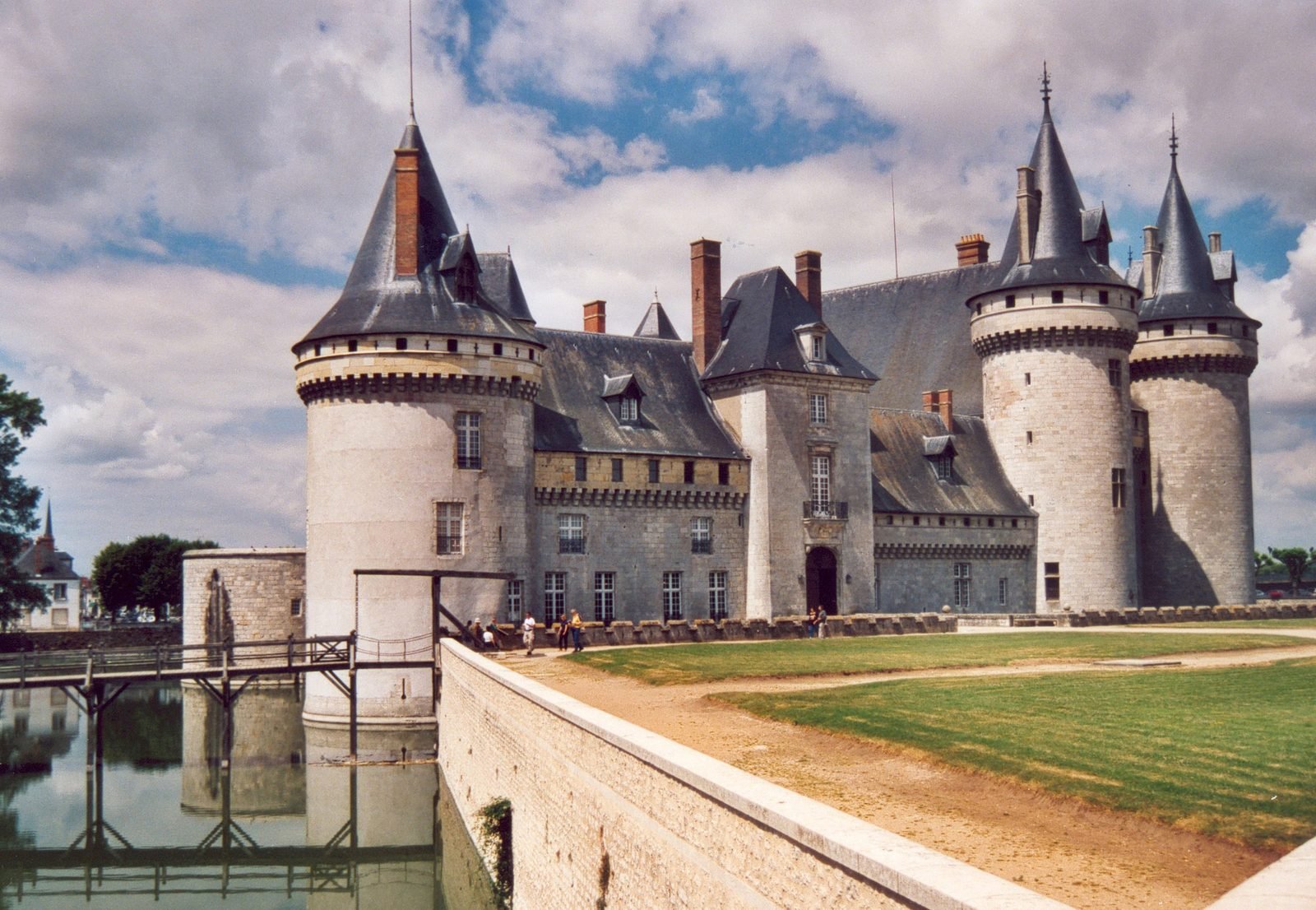
Château de Sully-sur-Loire
Centre-Val de Loire · Loiret

Château de Sully-sur-Loire

Keep from 1395 · Late-medieval moated castle

A storybook moated castle at the eastern gate of the Loire châteaux country, bought in 1602 by Maximilien de Béthune — Henri IV's great minister, who took his ducal title from it. The young Voltaire, exiled from Paris, wrote and staged plays here; the keep's 600-year-old chestnut roof frame is among the finest surviving.

Full profile →
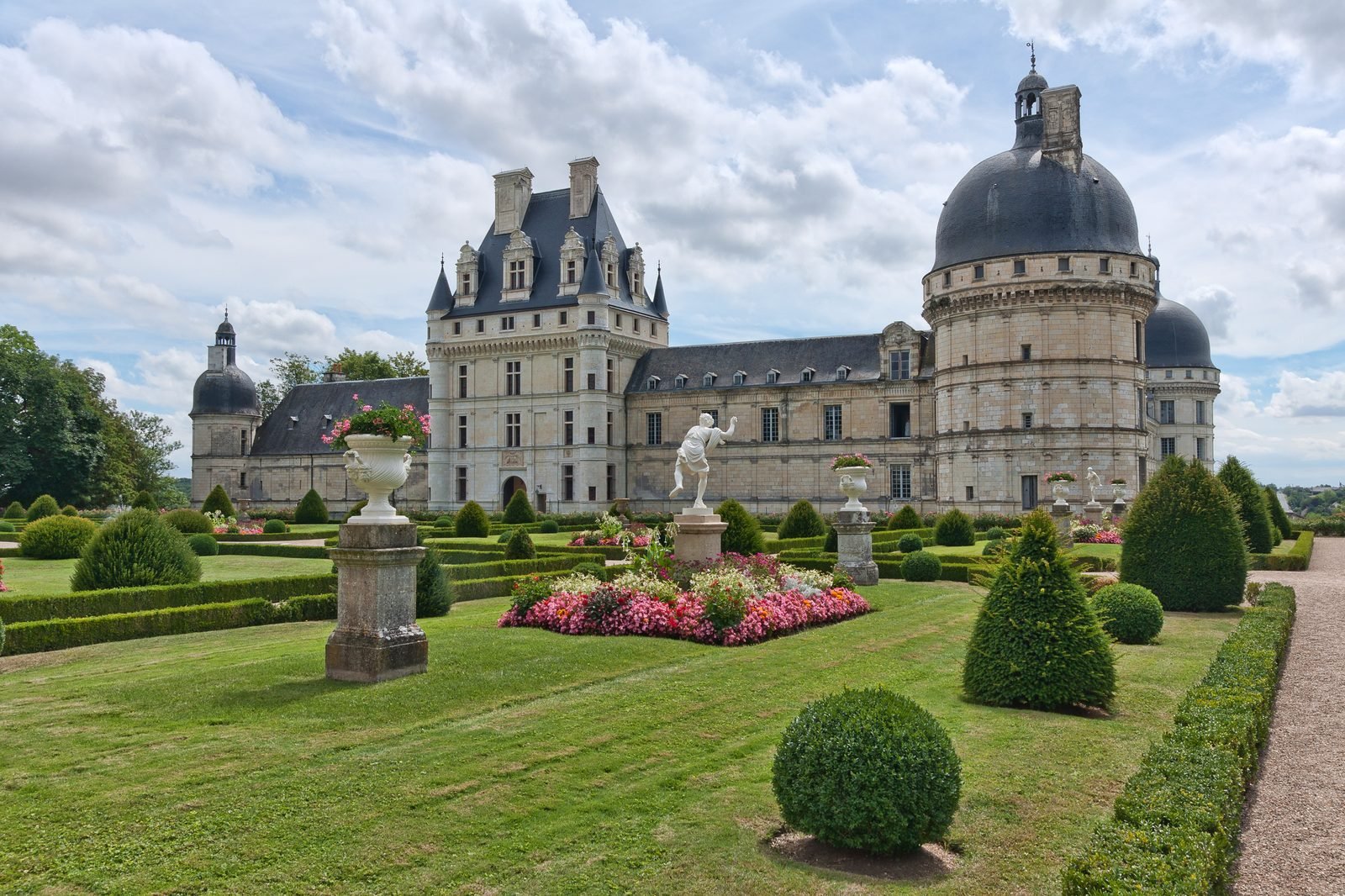
Château de Valençay
Centre-Val de Loire · Indre

Château de Valençay

Begun 1540 · Renaissance and classical

Talleyrand's great stage: Napoleon urged his foreign minister to buy Valençay in 1803 to dazzle visiting dignitaries, and from 1808 to 1814 it 'hosted' — in gilded detention — Ferdinand VII of Spain. The kitchens of Talleyrand's legendary chef Antonin Carême complete the diplomatic theatre.

Full profile →
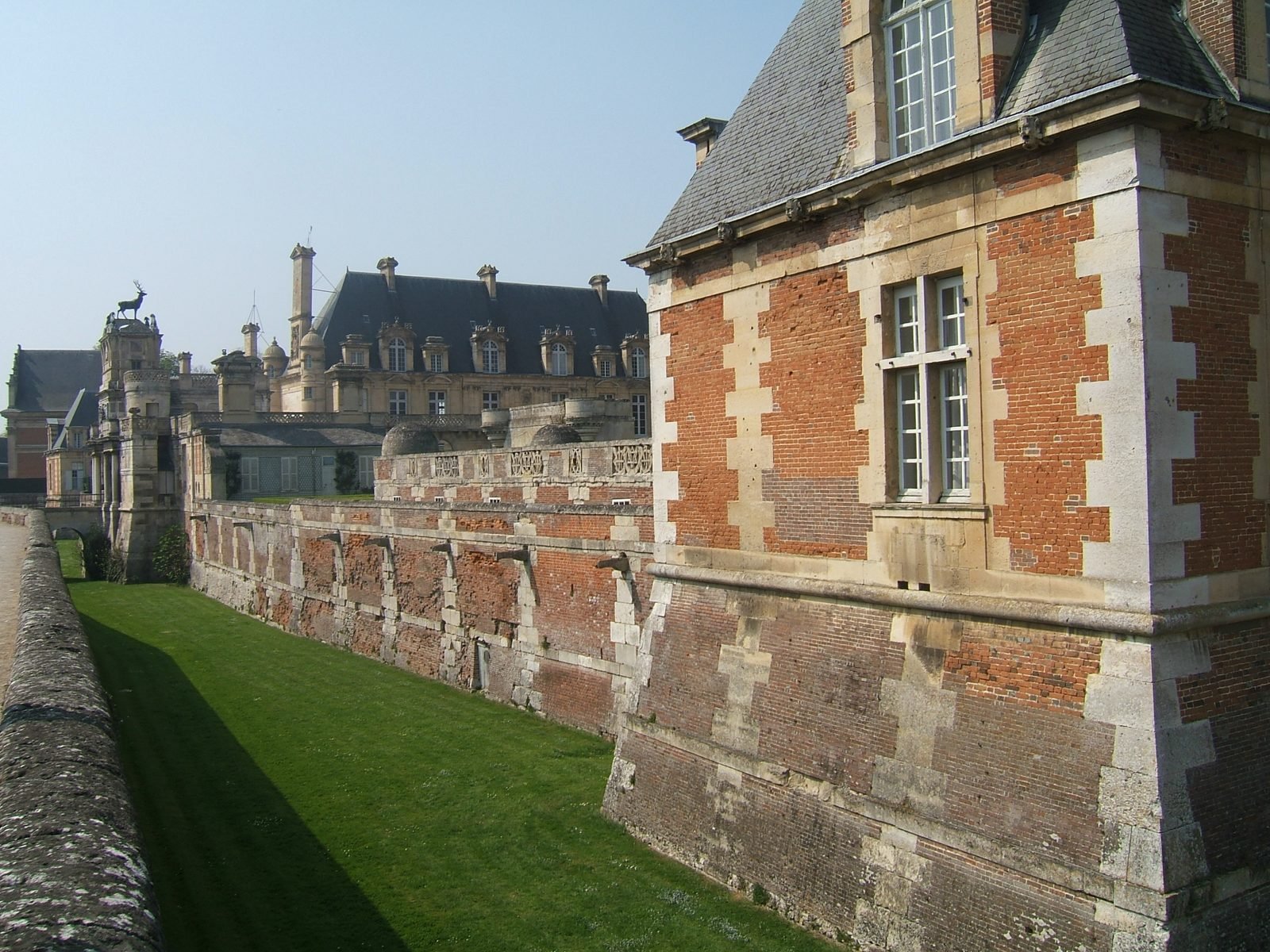
Château d'Anet
Centre-Val de Loire · Eure-et-Loir

Château d'Anet

1547–1552 · French Renaissance at its purest

Built for Diane de Poitiers by Philibert de l'Orme with the treasury of her royal lover Henri II — a manifesto of French Renaissance classicism stamped everywhere with crescents and interlaced initials. Partly demolished after the Revolution, what survives (entrance, chapel, one wing, and Diane's funerary chapel) is of the first importance.

Full profile →
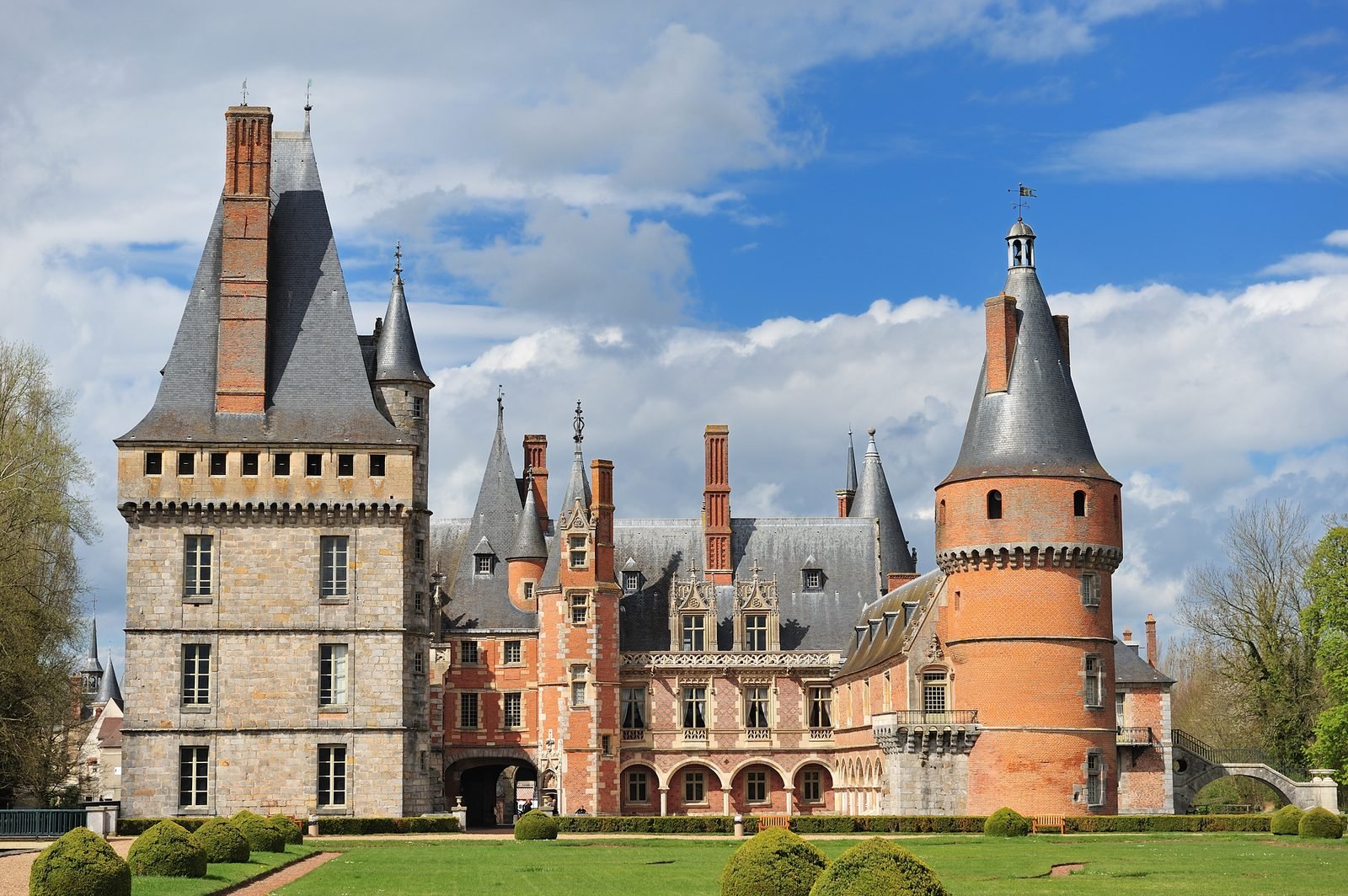
Château de Maintenon
Centre-Val de Loire · Eure-et-Loir

Château de Maintenon

13th–17th centuries · Brick-and-stone château with medieval keep

The château of Françoise d'Aubigné, Madame de Maintenon — governess turned secret wife of Louis XIV. Behind Le Nôtre's parterre, the park frames one of the great follies of the Grand Siècle: the ruined arches of the Canal de l'Eure aqueduct, Vauban's colossal unfinished scheme to send river water to Versailles.

Full profile →
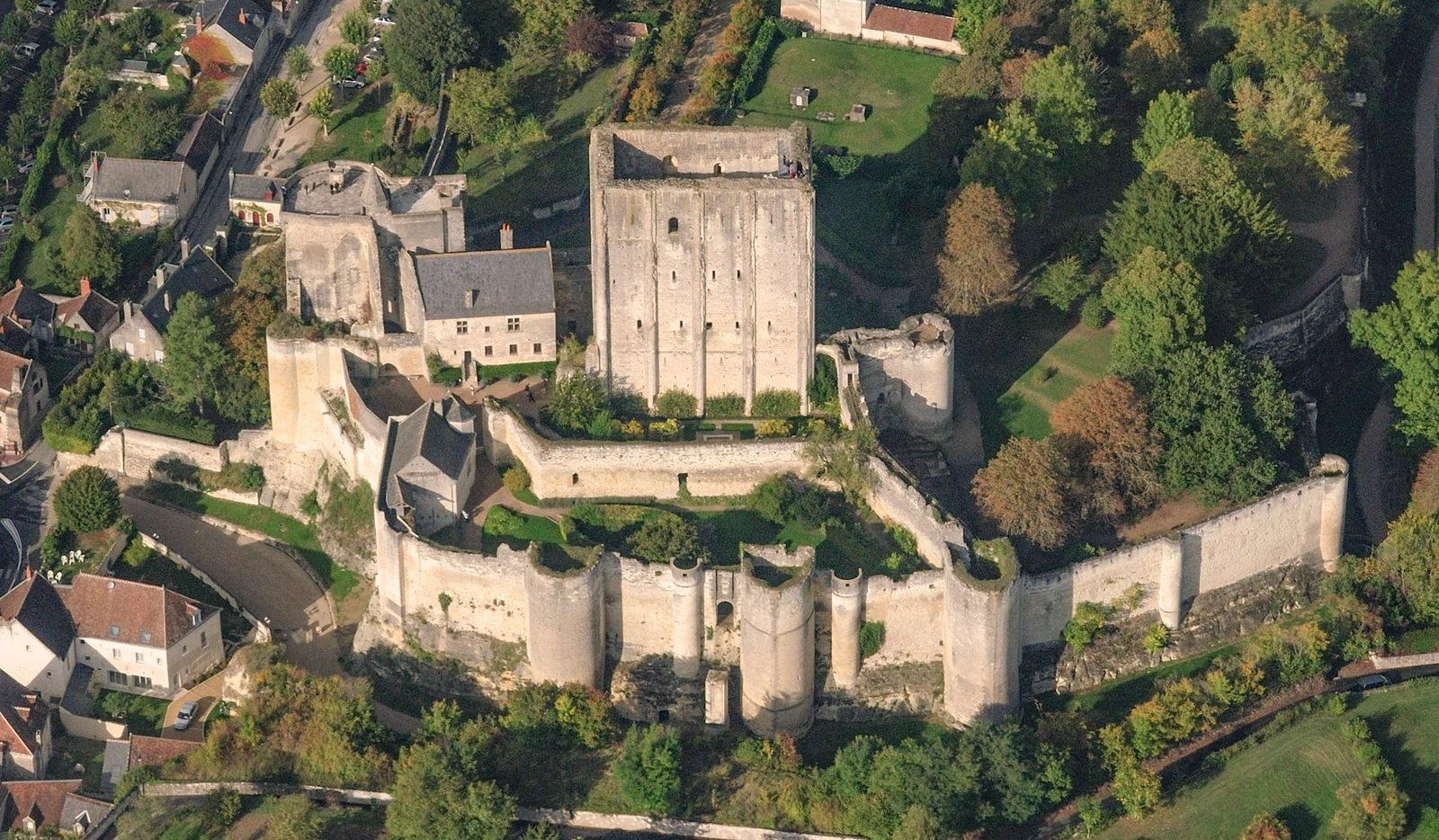
Cité Royale de Loches
Centre-Val de Loire · Indre-et-Loire

Cité Royale de Loches

Keep c. 1013–1035; royal logis 14th–16th c. · Romanesque keep and royal residence

A thousand years on one spur: Foulques Nerra's colossal Romanesque keep — among the oldest standing in Europe — beside the royal logis where Joan of Arc pressed Charles VII to ride to Reims and be crowned (June 1429), and where Agnès Sorel, the first official royal mistress, lived and lies buried.

Full profile →
Centre-Val de Loire · Indre

Château de Lalande

16th century onwards · Country château of the Berry–Limousin borders

The 40-room château in the quiet Berry countryside that became one of the internet's most beloved homes: bought in 2005 by Stephanie Jarvis and her friends for the price of two London flats, and restored on camera ever since as The Chateau Diaries — funded by viewers, patrons and paying guests rather than fortune.

Full profile →