Fact-checked

Brittany

The châteaux of Brittany in the Index — 5 so far, each fact-checked against the historical record. Back to the map.

Or see them all on the map →  Suggest a château →

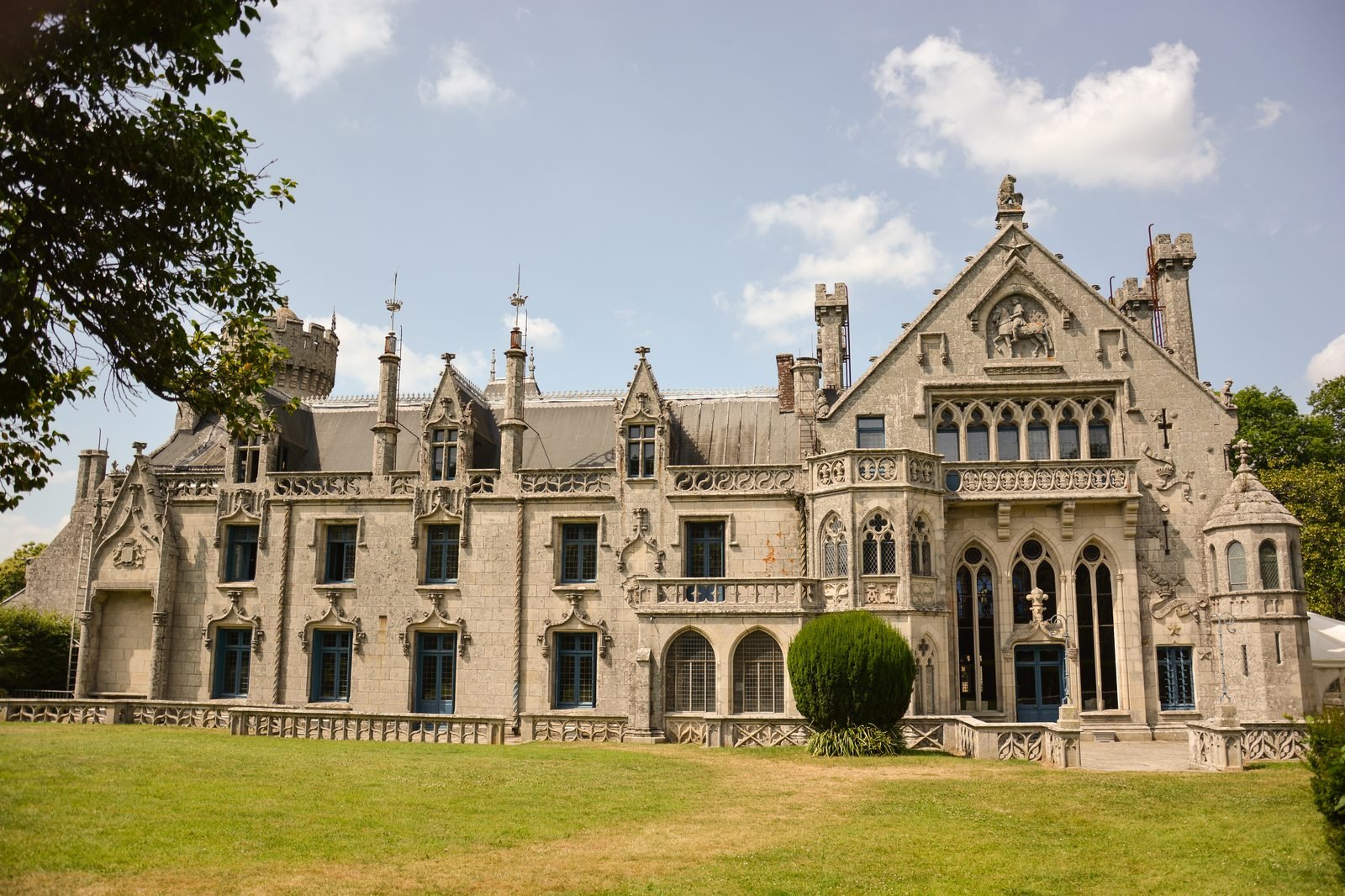
Château de Keriolet
Brittany · Finistère

Château de Keriolet

Rebuilt 1862–1870s on older manor · Neo-Gothic flamboyant

A flamboyant neo-Gothic fantasy outside Concarneau, rebuilt by the Russian princess Zénaïde Narychkine and Quimper architect Joseph Bigot. Through her line the château passed to Prince Felix Yusupov — famed as an assassin of Rasputin — giving this Breton confection its improbable Russian imperial thread.

Full profile →
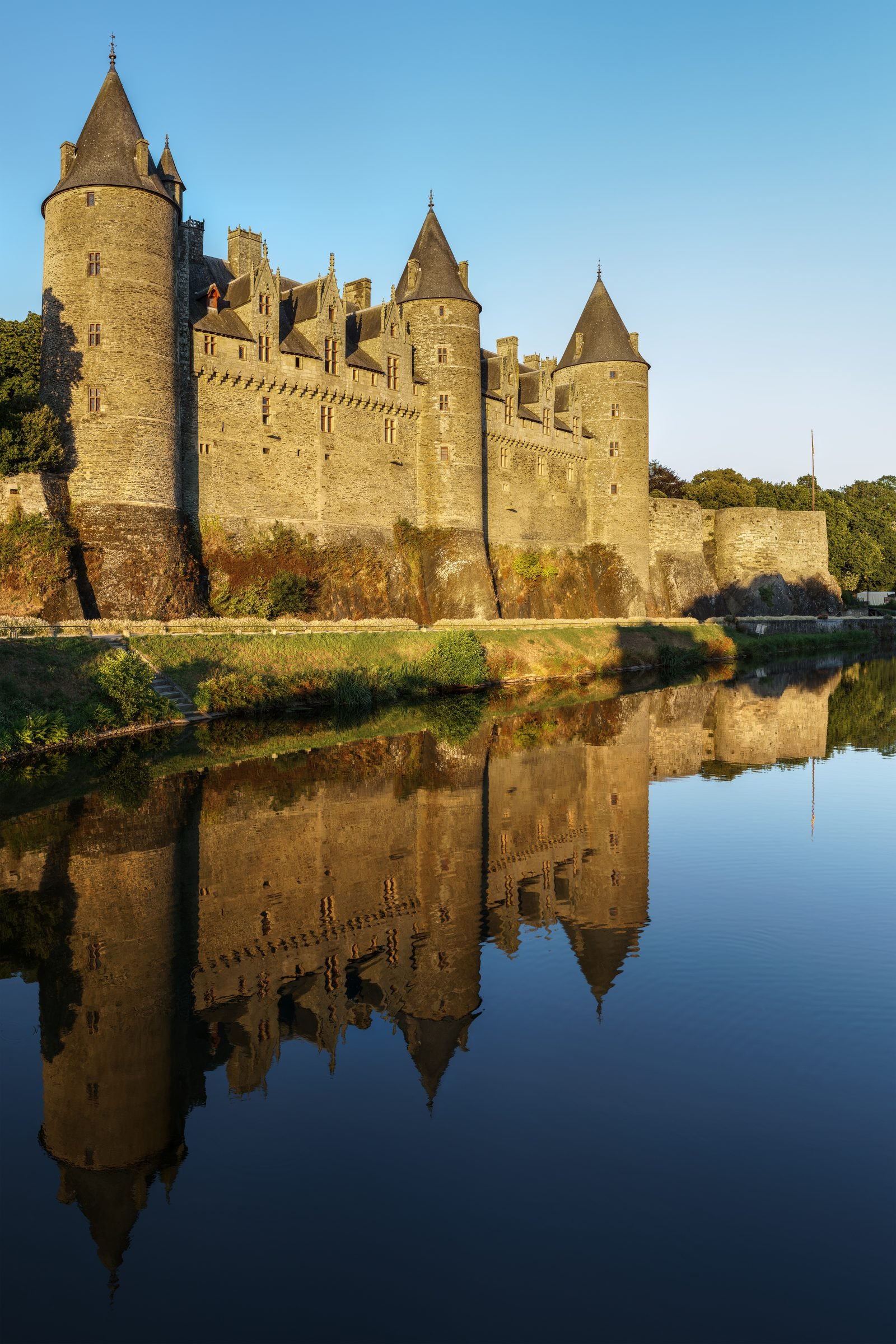
Château de Josselin
Brittany · Morbihan

Château de Josselin

14th century; façade early 16th century · Medieval fortress with flamboyant Gothic façade

Three great towers rising sheer from the rock above the Oust, and behind them one of the most beautiful flamboyant granite façades in Brittany. Fortress of Olivier de Clisson, Constable of France, it has been the seat of the Rohan family for over five centuries — and still is.

Full profile →
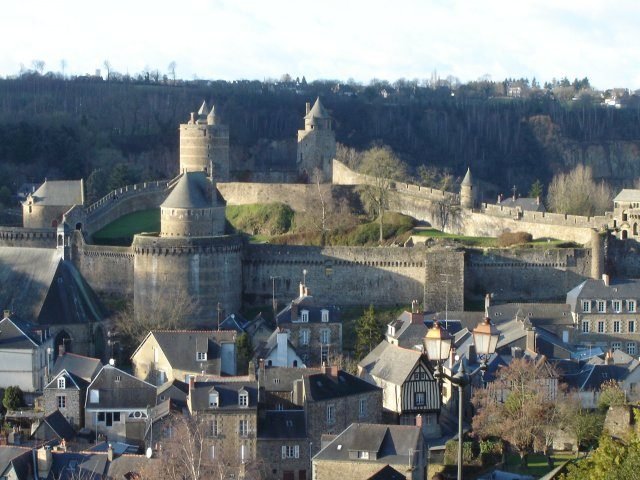
Château de Fougères
Brittany · Ille-et-Vilaine

Château de Fougères

12th–15th centuries · Frontier fortress of the Breton marches

Thirteen towers and two hectares within the walls — one of the largest medieval fortresses in Europe, built low in a bend of the Nançon to guard the marches between Brittany and France. Taken by trickery, retaken, remodelled for artillery: seven centuries of border warfare written in granite.

Full profile →
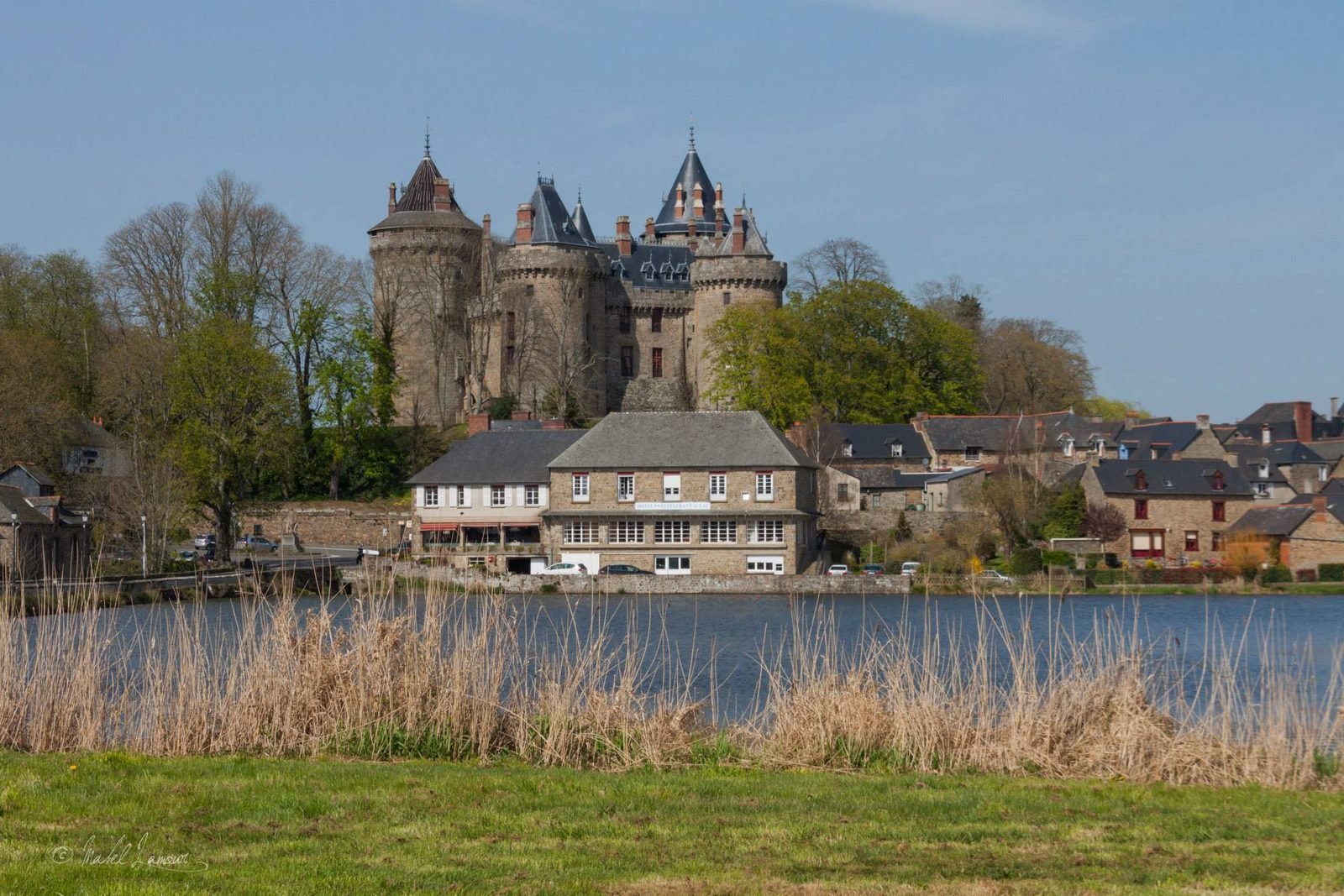
Château de Combourg
Brittany · Ille-et-Vilaine

Château de Combourg

12th–15th centuries · Breton feudal castle

The cradle of Romanticism, by its most famous inhabitant's own account: François-René de Chateaubriand spent his brooding adolescence here, sleeping alone in the Cat Tower, and made Combourg's silences the opening of the Mémoires d'outre-tombe. Still owned by his descendants.

Full profile →
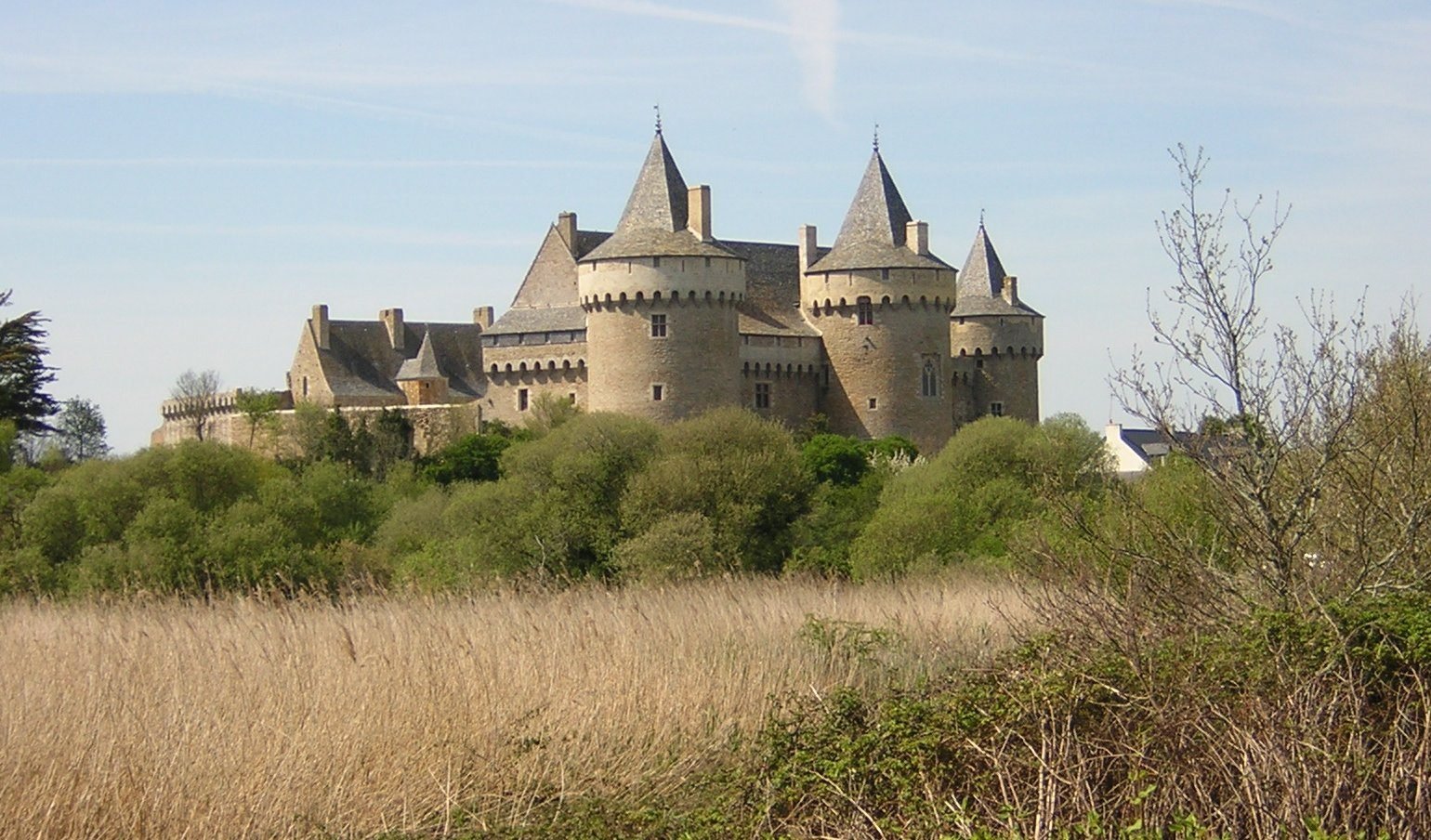
Château de Suscinio
Brittany · Morbihan

Château de Suscinio

13th–15th centuries · Ducal residence by the ocean

The Dukes of Brittany's seaside retreat on the Rhuys peninsula — a moated castle a few dunes from the Atlantic, built for hunting, feasting and salt-marsh air rather than war. Restored from a roofless shell by the Morbihan department, famous for its rediscovered medieval glazed floor tiles.

Full profile →